Nabunyag! Limang tagapagpahiwatig upang turuan ka kung paano pumili ng mataas na kalidad na mga supplier sa China

In the dynamic world of international trade, sourcing from China has become a strategic choice for numerous businesses around the globe. The vast manufacturing landscape in China offers a wide array of products at competitive prices.
However, the key to a successful procurement lies in identifying high – kalidad mga supplier. In this blog, we will explore five crucial indicators that will guide you, dear readers, in making the right choice.

1.Importance of Certification:

The first and foremost indicator of a highkalidad supplier is an effective quality management system.
A wellestablished quality management system, such as ISO 9001 certification, is like a gold standard in the industry. It’s not just a piece of paper; it represents a supplier’s unwavering commitment to quality.
This certification ensures that every step of the production process, from the careful selection of raw materials to the meticulous final product delivery, adheres to strict international standards.
For example, in the highly competitive smartphone accessory market, a supplier with ISO 9001 certification will be more likely to use highgrade materials, follow precise manufacturing procedures, and conduct thorough quality checks at every stage.
This results in products that are not only more reliable but also safer for endusers.

2.Reallife Example:

Take Supplier A, a leading electronics manufacturer in Shenzhen, as an example. They hold ISO 9001:2015 certification. A recent indepth study of 50 electronics suppliers in the region revealed that Supplier A had a defect rate of only 0.5% in their exported products.
In contrast, nonISOcertified suppliers had an average defect rate of 2%. This seemingly small difference in defect rates can have a huge impact on a business.
For a company that imports thousands of these electronic products, a lower defect rate means fewer products to return, less time spent on rework, and ultimately, more satisfied customers.
It also significantly enhances the reputation of the products in the international market. Imagine a consumer electronics store that has been stocking products from Supplier A.
Their customers are consistently impressed with the quality, and wordofmouth spreads, attracting more customers to the store. This positive cycle benefits both the importer and the endretailer.

3.Components of the System:

A quality management system is a comprehensive framework that encompasses much more than just certification. Regular internal audits are like the regular health checkups for a company.
They help identify any potential issues in the production process, such as inefficiencies in the assembly line or improper handling of raw materials. Employee training on quality control is also crucial.
When employees are welltrained, they are more likely to notice and correct small issues before they turn into big problems.
For instance, a trained worker in a garment factory will be able to spot a minor stitching defect immediately and fix it, rather than letting it pass through to the next stage of production.
Continuous improvement initiatives, such as Six Sigma or Lean Manufacturing, are also often part of a quality management system. These initiatives encourage companies to constantly seek ways to improve their processes, reduce waste, and enhance product quality.
When evaluating a supplier, it’s essential to ask for their quality manuals, which detail their overall quality strategy. Inspection reports can show you the actual results of their quality checks, and details of their corrective and preventive action plans will give you an idea of how they respond to and prevent quality issues.


1. Meeting Demand Fluctuations:

In today’s fastpaced business world, demand for products can be extremely volatile. One month, there may be a high demand for a particular style of clothing, and the next month, the trend may shift completely.
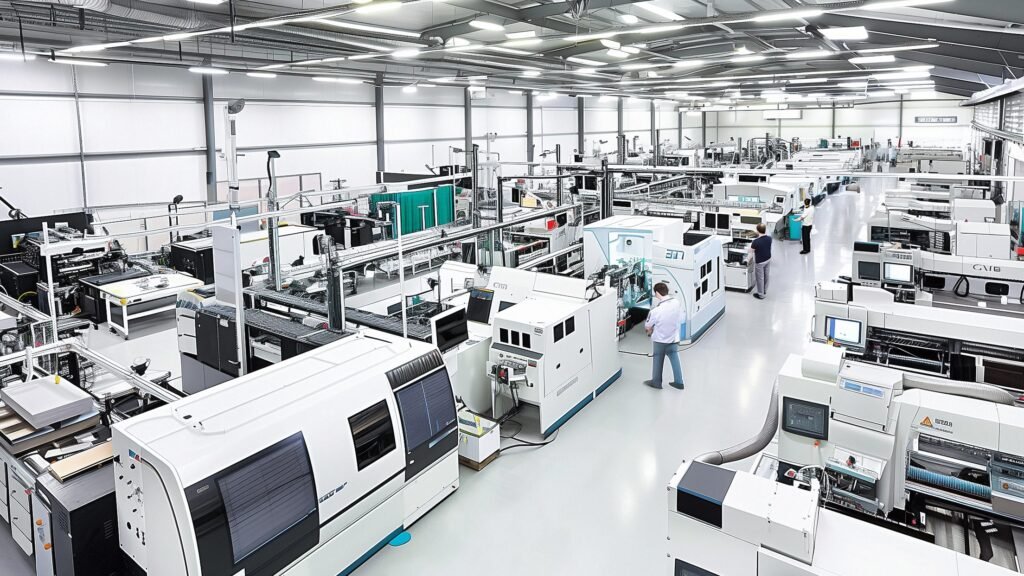
A reliable tagapagtustos ng must be able to keep up with these fluctuations. Production capacity is a critical factor here. A supplier with sufficient production facilities, stateof – ang – art equipment, and a skilled workforce is better positioned to meet largescale orders within the agreedupon time frame.
For example, during the holiday season, the demand for toys and consumer electronics skyrockets. A toy manufacturer with a large production floor, advanced manufacturing equipment, and a team of experienced workers can ramp up production to meet the increased demand.
They can run multiple shifts, use automated machinery to increase output, and have the expertise to handle any production challenges that may arise.

2.Case of Insufficient Capacity:

Let’s consider the case of a clothing brand that sources its products from China. Supplier B, a mediumsized clothing manufacturer, had a production capacity of 50,000 pieces per month. One day, the clothing brand received a sudden large order from a major retailer for 100,000 pieces of a trendy new style.
Supplier B was illequipped to handle this sudden surge in demand. Due to limited equipment, they couldn’t add more production lines quickly. The labor force was also stretched thin, and there was no easy way to hire and train new workers in time.
As a result, the order was delayed by several weeks. The clothing brand not only missed out on valuable sales opportunities during the peak fashion season but also damaged its relationship with the major retailer.
The retailer may be less likely to place orders with the brand in the future, fearing similar delays.

3.Example of Flexibility:

On the other hand, Supplier C, a larger and more flexible manufacturer, stands in stark contrast. They have the ability to adjust production lines rapidly.
In the fashion industry, trends change almost overnight. Supplier C can switch from producing one style of clothing to another within a week. They have invested in flexible manufacturing systems that allow them to quickly reconfigure their production lines.
Their production capacity can also be scaled up or down by 30% within a month. This means that if a brand experiences a sudden drop in demand for a particular product, Supplier C can reduce production accordingly, saving both the brand and themselves from the costs of overproduction.
In a market where trends change rapidly, this kind of flexibility is not just an advantage; it’s a necessity. When assessing a supplier’s production capacity, don’t just look at their current output numbers.
Also, consider their ability to expand or contract production as needed. Ask them about their contingency plans for handling sudden changes in demand, and how quickly they can implement those plans.

1.Avoiding Production Disruptions:

A financially stable supplier is like a steady ship in the stormy seas of business. They are less likely to face disruptions in production due to cash flow problems, bankruptcy threats, or inability to invest in new technologies and equipment.
Cash flow is the lifeblood of any business. If a supplier doesn’t have enough cash on hand, they may not be able to pay their suppliers for raw materials on time. This can lead to a domino effect, causing production delays, and ultimately, a breakdown in the supply chain.
For example, in the automotive industry, a car manufacturer relies on a complex network of suppliers for parts. If one of the key suppliers, say a tire supplier, has financial problems and can’t afford to buy the necessary rubber and other raw materials, the car manufacturer may have to halt production, costing them millions of dollars in lost revenue.

2.Example of Financial Instability:

Take Supplier D, a plastic products manufacturer, for instance. They had been in business for over 20 years, but in recent years, they made some poor business decisions.
They overexpanded, taking on a large amount of debt to build new factories and buy new equipment without a proper market analysis.
When a major raw material supplier increased prices, Supplier D was already in a precarious financial situation. They were unable to pay for the raw materials in a timely manner.
As a result, production was halted for several weeks. Their customers, who were relying on them for plastic components, had to scramble to find alternative suppliers.
This not only caused immediate losses for Supplier D in terms of lost orders but also severely damaged their longterm reputation in the industry.

3.Example of Financial Health:

In contrast, Supplier E, a wellmanaged company, had a healthy balance sheet with a debt – sa – equity ratio of 0.5. This indicates that they have a good balance between debt and equity financing.
They had sufficient cash reserves, which allowed them to withstand shortterm market fluctuations. When there was a temporary increase in the price of raw materials, they were able to pay for them without any issues.
Moreover, they were also able to invest in new injectionmolding machines to improve production efficiency. These new machines reduced production time and waste, allowing them to offer better prices to their customers.
By checking a supplier’s financial ratios, such as current ratio (which shows a company’s ability to pay shortterm debts), quick ratio (a more stringent measure of shortterm liquidity), and profitability margins (which show how profitable the company is), you can get a clear picture of their financial health.
You can also look at their credit reports from reliable credit agencies to see their creditworthiness and any potential red flags.

1. Assessing Reputation:

A supplier’s reputation in the industry is like their public image. It’s a reflection of their past performance and business ethics.
In today’s digital age, it’s easier than ever to get an initial sense of a supplier’s reputation. You can start by checking online reviews on business platforms like Alibaba, Global Sources, or industryspecific forums.
Social media can also be a valuable source of information. However, these online reviews should be taken with a grain of salt. Some reviews may be fake or overly biased. The most reliable way to assess a supplier’s reputation is to ask for references from their existing clients.
Existing clients can provide firsthand information about the supplier’s product kalidad, delivery times, communication, and aftersales service.

2.Mixed Reputation Example:

Supplier F, a furniture supplier, had a mixed reputation. Online reviews painted a somewhat confusing picture. Some customers praised their product quality, saying that the furniture was wellmade and durable.
However, others complained about delivery delays. When a potential buyer asked for references, they got a more detailed understanding. Some longterm clients were indeed satisfied with the quality of the furniture.
They had been ordering from Supplier F for years and had never had any major issues with the products. But there were also some clients who had experienced problems with communication.
They had difficulty getting in touch with the supplier when they had questions or concerns. Aftersales service was also a point of contention for some clients. When they had a problem with a piece of furniture, it took a long time for the supplier to respond and resolve the issue.

3.Good Reputation Example:

On the contrary, Supplier G, a wellregarded machinery supplier, had an excellent reputation. They had a long list of satisfied clients. One of their clients, a largescale factory in Europe, had been working with them for over 10 years. This client attested to Supplier G’s highquality products.
The machinery they supplied was reliable and required minimal maintenance. Supplier G also had a reputation for ontime deliveries. They always managed to meet the agreedupon delivery schedules, even in the face of unforeseen challenges like transportation disruptions.
Their aftersales support was also topnotch. Whenever the European factory had an issue with the machinery, Supplier G’s technical team would respond promptly and provide effective solutions.
By talking to multiple references, you can get a comprehensive understanding of a supplier’s strengths and weaknesses. Don’t just rely on one or two references. Try to talk to a diverse range of clients, including those who have been working with the supplier for a short time and those with longterm relationships.

1.Beyond Just Price:

While cost is an important factor in any procurement decision, it should never be the sole determinant. A highquality supplier offers costeffectiveness, which means providing good value for money.

This concept goes far beyond just the product price. It includes factors such as shipping costs, aftersales service costs, and the cost of potential quality issues.

For example, in the consumer goods industry, a supplier may offer a very lowpriced product. But if the shipping costs are high because they are located far away and use expensive shipping methods, the overall cost to the buyer may be higher than expected.

Additionally, if the product has a high defect rate, the cost of returns and replacements, along with the negative impact on customer satisfaction, can quickly erode any initial cost savings.

2.Low Price but High Cost Example:

Take Supplier H, who offered the lowest price for a certain type of consumer goods among several suppliers. At first glance, it seemed like a great deal.
However, their products had a relatively high defect rate of around 10%. This meant that for every 100 products purchased, 10 would likely be defective.
The cost of returning these defective products, along with the cost of replacing them, was significant. Moreover, the negative impact on customer satisfaction was even more costly.
Customers who received defective products were less likely to make repeat purchases and were more likely to leave negative reviews. These negative reviews could deter other potential customers from buying the product.
In the end, the cost of dealing with the quality issues far outweighed the initial cost savings from the lowpriced products.

3.Higher Price but Better Value Example:

Supplier I, on the other hand, charged a slightly higher price but had a defect rate of less than 1%. Their products were of consistently high quality.
In addition, their efficient aftersales service was a huge plus. If a customer had an issue with a product, Supplier I would resolve it quickly and efficiently. This reduced the overall cost of ownership for the buyer.
For example, a company that purchased electronic devices from Supplier I didn’t have to worry about frequent product replacements or dealing with angry customers.
The higher upfront cost was offset by the longterm savings in terms of reduced aftersales costs and increased customer loyalty.

4.Cost Comparison Tip:

When comparing costs, it’s essential to create a total cost model that takes into account all relevant expenses throughout the product life cycle. Start by listing all the direct costs, such as the product price and shipping costs.
Then, consider the indirect costs, like potential kalidad related costs, aftersales service costs, and any costs associated with production delays. You can also factor in the cost of capital, especially if you have to pay for the products in advance.
By creating a detailed total cost model, you can accurately compare different suppliers and identify the truly costeffective one. Don’t be swayed by a lowprice offer without considering the big picture.

Pangwakas na Salita

In conclusion, selecting high – kalidad mga supplier in China is a multifaceted process. By carefully evaluating these five key indicatorsquality management system, production capacity and flexibility, financial stability, reputation and references, and costeffectiveness, you can build strong and reliable supply chains.
We sincerely hope that this information will be of great value to your business endeavors. If you are looking for assistance in sourcing from China or need further insights into supplier evaluation, please feel free to reach out to us.
We are always here to support you in achieving your business goals and establishing longterm, mutually beneficial partnerships.

Mag-iwan ng komento

Ang iyong email address ay hindi mai-publish. Minarkahan ang mga kinakailangang patlang *

Na update ang mga kagustuhan sa cookies
Mag-scroll sa Itaas