
Sabik ka bang mag-import ng maliliit na batch ng Chinese goods ngunit hindi mo alam kung saan magsisimula? Huwag mag-alala. Ang blog na ito ay magbibigay sa iyo ng isang detalyadong breakdown ng mga hakbang at mahahalagang punto para sa pag-import ng maliliit na batch mula sa China.
- 1. Paunang Paghahanda: Market Research at Target Lock - in
- 2. Pagpili ng Mga Supplier: Mahigpit na Kontrolin ang Kalidad at Reputasyon
- 3. Negosasyon at Order: Linawin ang Mga Tuntunin at Presyo
- 4. Transportasyon at Logistics: Tiyakin ang Makinis na Pagdating ng mga Kalakal
- 5. Customs Clearance at Inspeksyon: Legal at Sumusunod na Pag-import
- 6. Mga Benta at Pagkatapos - Pagbebenta: Napagtanto ang Halaga ng Negosyo
1. Galugarin ang Mga Potensyal na Oportunidad sa Negosyo:
Ang China, isa sa pinakamalaking base ng pagmamanupaktura sa mundo, ay nag-aalok ng malawak na arra
y o produkto, na sumasaklaw sa halos lahat ng industriya at larangan na maiisip mo. Upang makahanap ng angkop na item sa pag-import, maaari kang mag-screen batay sa iyong mga libangan, propesyonal na background, at demand sa merkado.
Halimbawa, kung mayroon kang kakaibang pananaw sa fashion, ang mga industriya ng pananamit at accessories ay maaaring maging mahusay na pagpipilian. Kung nag-aalala ka tungkol sa isang malusog na pamumuhay, maaaring mas angkop ang mga sektor tulad ng pagkain at mga produktong pangkalusugan.
Bukod dito, maraming mga propesyonal na institusyon ang regular na naglalabas ng mga uso sa industriya. Halimbawa, ang industriya ng fashion ay nagtataya ng mga sikat na kulay at istilo, habang ang industriya ng pagkain sa kalusugan ay nagpapakita ng mga bagong sangkap at mga uso sa packaging. Ang mga platform ng social media ay kayamanan din para sa pagtuklas ng mga pagkakataon sa negosyo.
By observing hot topics and user discussions, you can keenly capture emerging consumer demands. Additionally, participating in various industry exhibitions is an excellent way to directly view the latest products, communicate with industry experts, obtain first – hand information, and accurately identify potential business opportunities.
2. Target Market Research:
After determining the general import direction, in – depth understanding of the target market is your next step. This includes learning about local consumers’ spending habits, cultural differences, competitor situations, and market gaps.
You can obtain relevant information through methods such as online searches, industry reports, social media platforms, and consultations with professionals.
Halimbawa, para sa mga produktong fashion, maaari mong sundin nang maayos – kilalang mga website ng impormasyon sa fashion at fashion blogger sa social media upang maunawaan ang mga kasalukuyang uso sa fashion at mga kagustuhan ng consumer.
Kapag nagsasagawa ng online na paghahanap, gumamit ng mga lokal na pangunahing search engine at maglagay ng mga nauugnay na keyword tulad ng “lokal na uso sa pagkonsumo ng fashion” o “pangangailangan sa merkado ng pagkain sa kalusugan” upang makakuha ng isang malaking halaga ng una – impormasyon ng kamay.
Ang mga ulat sa industriya ay maaaring mabili mula sa mga propesyonal na institusyon ng pananaliksik sa merkado, at ang detalyadong data ng merkado at pagsusuri ng consumer sa mga ulat ay maaaring magbigay ng matibay na batayan.
Sa mga platform ng social media, bilang karagdagan sa pagsunod sa mga blogger ng fashion, maaari ka ring sumali sa mga lokal na grupo ng talakayan ng consumer upang direktang makinig sa kanilang mga boses at maunawaan ang kanilang mga inaasahan at hindi kasiyahan sa mga produkto.
Kapag kumukunsulta sa mga propesyonal, maaari kang makipag-ugnayan sa mga asosasyon ng lokal na industriya o mga consultant ng negosyo. Sa kanilang mayamang karanasan, masusuri nila ang sitwasyon ng kumpetisyon sa merkado para sa iyo at ituro ang mga puwang sa merkado, na tumutulong sa iyong linawin ang target na merkado.

1. Paghahanap ng Mga Maaasahang Supplier:
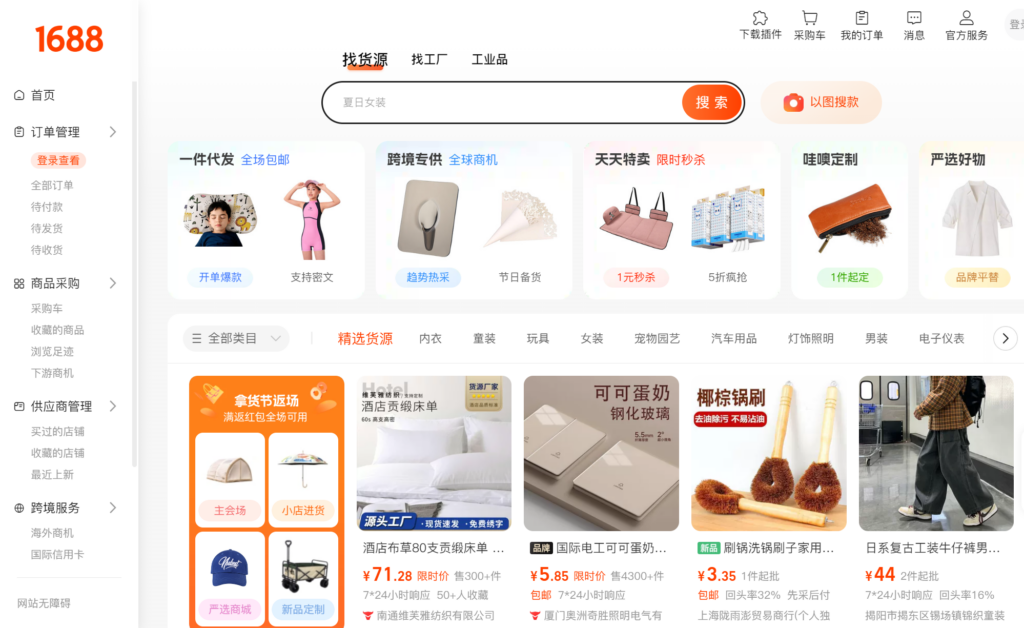
Pagpili ng tama tagapagtustos ng ay ang susi sa matagumpay na pag-import. Makakahanap ka ng mga supplier sa pamamagitan ng iba't ibang channel, gaya rin – kilalang domestic e – mga platform ng komersyo (hal., Alibaba.com, Ginawa – sa – China.com), mga website ng pakyawan ng propesyonal na kalakalang panlabas, mga eksibisyon sa industriya, at mga platform ng pangangalakal ng B2B.
Kapag naghahanap ng mga supplier, bigyang pansin ang pagsusuri sa kanilang reputasyon at lakas. Suriin ang impormasyon tulad ng oras ng pagpapatakbo ng supplier, pagsusuri ng customer, at mga talaan ng transaksyon upang matiyak na mayroon silang magandang reputasyon sa negosyo at matatag na kapasidad ng supply.
Kapag sinusuri ang mga supplier sa e – commerce platform, maingat na suriin ang mga rating ng tindahan at detalyadong pagsusuri sa transaksyon, pagbibigay pansin sa mga isyu tulad ng kalidad ng produkto at pagiging maagap ng paghahatid ng feedback mula sa ibang mga mamimili.
Para sa mga websayt na pakyawan ng propesyonal na foreign trade, i-verify ang kanilang impormasyon sa sertipikasyon upang kumpirmahin ang pagiging lehitimo ng website. Kapag nakikilahok sa mga eksibisyon sa industriya, makipag-usap sa mukha – sa – harapin ang mga supplier, at obserbahan ang layout ng kanilang booth at mga pagpapakita ng produkto sa – site upang maramdaman ang lakas ng kumpanya.
Sa mga platform ng pangangalakal ng B2B, bilang karagdagan sa pagtingin sa pangunahing impormasyon ng supplier, maaari mo ring gamitin ang credit rating system ng platform upang i-screen out ang mga mapagkakatiwalaang kumpanya. Kasabay nito, maaari kang magtanong sa mga kapantay tungkol sa reputasyon ng supplier upang suriin ang pagiging maaasahan ng supplier mula sa maraming dimensyon.
2. Naka-on – Inspeksyon at Sample ng site Pagpapatunay:
Kung pinahihintulutan ng mga kondisyon, inirerekumenda na bisitahin mo nang personal ang pabrika ng supplier. Nagbibigay-daan ito sa iyong intuitive na maunawaan ang kapaligiran ng produksyon ng supplier, proseso ng produksyon, kontrol sa kalidad, atbp., at matiyak na ang kanilang kapasidad sa produksyon at antas ng pamamahala ay nakakatugon sa iyong mga kinakailangan.
Kasabay nito, humiling ng mga sample mula sa supplier para sa kalidad and performance testing to verify whether the products meet your expectations.
During the inspection and testing process, communicate fully with the supplier to understand the detailed terms and requirements of cooperation.
Sa panahon ng sa – site inspection, focus on observing whether the factory’s production workshop is clean and orderly, whether the equipment is advanced and well – maintained, and whether the workers’ operations are skilled and standardized.
Check the inspection process and testing equipment of the quality control department to understand their product quality control standards.
For sample testing, develop a detailed testing plan and conduct strict tests from multiple aspects such as appearance, performance, and durability.
When communicating with the supplier about cooperation terms, clarify key content such as the minimum order quantity, price adjustment mechanism, and after – sales service to avoid disputes in subsequent cooperation.
1. Negotiating Prices with Suppliers:
After determining the supplier, price negotiation with the supplier is an essential step. You should strive for more favorable prices based on factors such as your purchase volume and cooperation frequency.
At the same time, clarify all the costs included in the price, such as raw material costs, processing fees, packaging fees, transportation fees, and tariffs. During the negotiation process, remain calm and rational, and don’t be misled by the supplier’s sweet talk.
Before negotiation, fully understand the market conditions and master the price range of similar products to be well – informed. Show the supplier your intention for long – term cooperation and potential purchase scale as negotiation chips.
Regarding the price composition, ask the supplier to list the details of each cost item and analyze its rationality. For example, if the raw material cost is too high, explore whether there are alternative materials or better procurement channels.
Kung ang transportasyon cost is unreasonable, jointly negotiate a more cost – effective transportation method. During the negotiation, propose several price plans, compare and weigh them with the supplier, and seek the optimal price acceptable to both parties.
2. Confirming Supply Terms:
In addition to price, supply terms are also crucial. Clearly define key information such as delivery time, delivery location, packaging method, delivery terms (e.g., FOB, CIF), and return and exchange policies.
Before signing the contract, carefully check each term to ensure the protection of both parties’ rights and interests. If you have any questions about certain terms, communicate and negotiate with the supplier in a timely manner to reach a consensus.
Regarding the delivery time, determine a reasonable delivery cycle with the supplier in combination with your own sales plan, and clarify the liability for breach of contract in case of overdue delivery.
The delivery location needs to consider factors such as transportation convenience and logistics costs, and select a location acceptable to both parties.
The packaging method should ensure that the product is not damaged during transportation according to the product characteristics and also meet environmental protection requirements.
For delivery terms, deeply understand the responsibilities and obligations of both parties under different terms such as FOB and CIF, and choose the most suitable term for yourself.
The return and exchange policy should clearly define the return and exchange conditions, process, and cost – bearing party to protect your own rights and interests.
Before signing the contract, it is advisable to consult a professional lawyer to review the contract terms to ensure that the contract is legal, compliant, and free of loopholes and risks.

You can choose a suitable transportation method according to factors such as the nature, weight, volume, and delivery time of the goods.
Common transportation methods include international express, air freight, and sea freight. International express is fast and suitable for urgent orders and a small number of high – halaga ng mga kalakal.
Air freight is relatively fast and suitable for goods with high punctuality requirements. Sea freight has a low cost and is suitable for large – volume and heavy – weight goods.
When choosing a transportation method, comprehensively consider various factors to ensure that the goods can arrive at the destination on time and safely.
If the goods are high – value, small – volume, and urgently needed electronics, international express is the first choice. Well – known international express companies like DHL and FedEx provide door – sa – door services with short transportation times.
If the goods are seasonal and time – sensitive fashion clothing, air freight can ensure timely shelf – placement for sales, and you can choose the freight services of major airlines.
Para sa malaki – volume and heavy – weight goods such as furniture, sea freight is the most cost – effective. You can transport them by container and choose well – known shipping companies to ensure transportation safety and stability.
At the same time, also consider factors such as the convenience of the transportation route and the number of transshipments to avoid delays or damage to the goods during transportation.

1. Understanding Import Policies and Regulations:
Import policies and regulations for Chinese goods vary in different countries and regions.
Before importing small batches, understand the import policies and regulations of the target country, including tariff policies, inspection and quarantine requirements, import license requirements, etc.
You can consult professional customs brokers or lawyers to ensure that your import business complies with local regulations.
Search for the latest import policy and regulation documents through the official websites of the target country’s customs and government trade departments.
Pay attention to information such as tariff rate adjustments and changes in inspection and quarantine standards.
When consulting professional customs brokers, choose institutions with rich experience and a good reputation, and explain in detail the types, uses, quantities, and other information of the imported goods to obtain accurate policy interpretations and operational suggestions.
If you have questions about the understanding of policies and regulations, you can also hire professional lawyers for legal advice to avoid risks such as goods being detained or fined due to illegal operations.
2. Handling Customs Declaration Procedures:
After the goods arrive at the port of destination, handle the customs declaration procedures in a timely manner.
You need to prepare a series of customs declaration documents, such as commercial invoices, packing lists, bills of lading, certificates of origin, inspection and quarantine certificates, etc. Customs declaration procedures are cumbersome and professional.
It is recommended that you consult a professional customs broker to assist you in completing the customs declaration procedures to ensure the smooth customs clearance of the goods.
Prepare all customs declaration documents in advance according to the requirements of the customs broker. The commercial invoice should accurately and detailedly fill in information such as goods information, price, and quantity.
The packing list needs to clearly mark the packaging specifications and number of pieces of the goods. The bill of lading is the proof of ownership of the goods, ensuring that the information is correct.
The certificate of origin proves the country of origin of the goods and meets relevant policy requirements. The inspection and quarantine certificate is issued by a professional inspection institution according to the category of the goods.
When the customs broker handles the customs declaration procedures, they will declare and pay tariffs according to the situation of the goods.
You need to cooperate closely and provide the required information in a timely manner to ensure the smooth progress of the customs declaration process and the rapid customs clearance of the goods.

1.制定销售策略:
货物成功进口后,您需要制定合理的销售策略,将产品推向目标市场。
包括定价、策略营销渠道选择、促销活动策划等,可根据市场情况和产品特点选择合适的销售渠道,如线上电商平台、社交媒体平台、线下实体店等。
定价时,综合考虑成本、市场需求、竞争对手价格等因素,采用成本加成定价法,在成本基础上增加合理利润,或参照市场竞争定价法,根据竞争对手价格进行调整。
在营销渠道方面,如果产品时尚化、个性化,适合在社交媒体平台上推广。
利用网红合作、直播电商等方式扩大影响力,对于实用型产品,可以选择线上电商平台销售,利用平台流量提升销量。
如果线下销售渠道,可以拥有大型实体店,让消费者直接体验产品,在节假日或者新品上市时可以进行促销活动,比如打折活动、满减活动、赠品促销等,吸引消费者购买。
2.提供优质的服务:
售后服务是建立客户忠诚度和良好信誉的关键。及时处理客户咨询和投诉,提供优质的售后服务。
如果有质量问题,按照退换货政策处理,让顾客普遍感受到您的诚意和责任感。
成立专门的客户服务团队,通过电话、邮件、在线客服等多种渠道及时回复客户咨询。
针对顾客投诉,迅速响应、积极解决问题。如产品存在质量问题,严格执行退换货政策,简化退换货流程,为客户提供便利。
定期进行客户回访,了解客户使用产品的感受和意见,不断改进服务,提高客户满意度,树立良好的品牌形象,促进业务的可持续发展。

Pangwakas na Salita
Finally, we hope this guide will help you successfully complete your import business. If you have any ideas or questions, please feel free to leave a comment or Makipag ugnay sa Amin!
