
When it comes to customizing clothing or promotional items, the choice of technique can significantly impact the final product’s quality, durability, and appeal. Among the most popular methods, embroidery and screen printing stand out for their distinct advantages and unique finishes. Understanding their differences can help you decide which option best suits your needs and delivers the results you envision.
- 1.What is embroidery?
- 2.What is screen printing?
- 3.Comparison of durability results between embroidery and screen printing
- 4.Cost of hoodie embroidery vs. screen printing
- 5. Screen printing vs. embroidery: which is better for garments
1.What is embroidery?
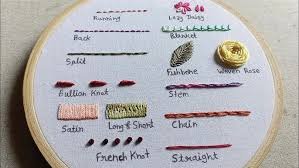
Embroidery is a decorative technique that involves stitching colorful threads onto fabric to create intricate designs, logos, or patterns.
As a customer, you’ll appreciate the timeless and professional look embroidery adds to your items, whether it’s a uniform, cap, or promotional merchandise. Known for its durability, embroidery doesn’t fade or peel over time, ensuring your design maintains its vibrant, high-quality appearance even after repeated use or washing.
It’s an ideal choice when you want a sophisticated, textured finish that conveys a sense of craftsmanship and premium value.
2.What is screen printing?
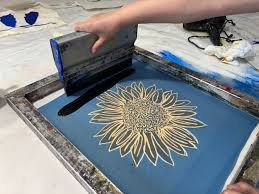
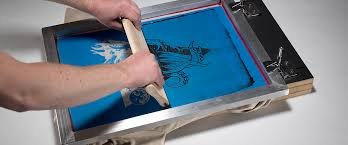
Screen printing is a popular method of transferring designs onto various surfaces, such as clothing, tote bags, or promotional products, using a stenciled mesh screen and specialized inks. From a customer’s perspective, screen printing stands out for its ability to produce bold, vibrant colors that bring your designs to life.
This technique is especially cost-effective for large orders, as it ensures consistency and quality across multiple items. Whether you’re creating eye-catching logos or detailed graphics, screen printing offers a smooth and durable finish that’s perfect for showcasing your brand or personal style.
3.Comparison of durability results between embroidery and screen printing
When choosing between embroidery and screen printing, durability is a key factor to consider, as it determines how long the design will last under daily wear and washing.
Embroidery is known for its exceptional longevity. The stitches used to create the design are embedded into the fabric, making it resistant to fading, peeling, or cracking. This durability is especially evident on items that undergo heavy use, like uniforms, jackets, and hats. Embroidery can withstand countless washes without losing its vibrant appearance, and the raised texture adds an additional layer of strength, making it less prone to wear and tear.
On the other hand, screen printing offers good durability, but it can be more vulnerable over time. While the ink is initially vibrant and crisp, repeated washing, especially under harsh conditions, can cause the design to fade or crack.
The longevity of screen printing depends on factors like the quality of the ink, the fabric type, and the printing method used.
For instance, plastisol ink provides better durability compared to water-based ink. However, unlike embroidery, screen printing designs are on the surface, so they may not endure as long when subjected to frequent washing or friction.
4.Cost of hoodie embroidery vs. screen printing
When deciding between embroidery and screen printing for customizing hoodies, cost is an important factor to consider. Both methods have their advantages, but they differ significantly in terms of pricing, depending on factors such as design complexity, order quantity, and production setup.
Embroidery Cost for Hoodies
Embroidery involves stitching the design onto the fabric, which requires more intricate setup and time. The cost of embroidery typically depends on the number of stitches required to complete the design, as well as the number of colors used. More complex designs with a high stitch count or multiple colors will increase the cost.
Additionally, each hoodie requires individual stitching, so the more items you order, the higher the overall cost will be, although larger quantities can sometimes reduce the price per unit. On average, embroidery can be more expensive than screen printing, especially for small runs or designs with high detail.
Screen Printing Cost for Hoodies
Screen printing is generally more cost-effective than embroidery, particularly for large orders. The setup involves creating screens for each color in the design, and the cost can rise with the number of colors.
However, unlike embroidery, the printing process is fast and involves printing multiple items at once, which reduces the per-unit cost as the quantity increases.
For simple designs with fewer colors, screen printing offers an affordable solution, especially when ordering in bulk. However, complex, multi-colored designs may still increase the cost due to the need for multiple screens and layers of ink.
Comparing the Costs
- Small Orders: For smaller quantities or designs with fine details, embroidery can be more expensive, as the setup and stitch count impact the price. Screen printing may still be more affordable for simpler designs.
- Large Orders: For large quantities, screen printing becomes more cost-effective, as the price per unit drops significantly with bulk printing. Embroidery remains consistent in cost, regardless of quantity, though larger orders can still see some price reductions.
- Design Complexity: Detailed, multi-color designs will typically cost more to embroider due to the higher stitch count, whereas screen printing will have an increased cost depending on how many colors and screens are needed.
While embroidery offers a high-quality, professional finish, especially for small, intricate designs, it can be more expensive compared to screen printing. For large orders with simple or bold designs, screen printing is likely the more cost-effective option.
When choosing between the two methods, it’s essential to weigh the design complexity, order size, and budget to determine the best value for your hoodie customization.
5. Screen printing vs. embroidery: which is better for garments
Screen Printing: Best for Bold and Colorful Designs
Screen printing is widely known for its ability to produce vibrant, sharp designs on a variety of fabrics. If your garment design features multiple colors or intricate details, screen printing is an ideal choice. The process involves transferring ink onto fabric through a mesh screen, creating a smooth, consistent finish. It’s particularly effective for large, simple, and bold graphics such as logos, slogans, and large artwork.
One of the major advantages of screen printing is its cost-efficiency for large orders. The setup cost may be higher due to the creation of screens, but as the order quantity increases, the cost per unit decreases significantly, making it a great option for bulk production. Additionally, screen printing works well on a range of fabrics, including cotton, polyester, and blends.
However, screen printing may not be the best option for designs that involve fine details or a wide range of colors, as each color requires a separate screen, which can be time-consuming and expensive for complex designs.
Embroidery: Best for Professional, Durable Looks
Embroidery, on the other hand, is a technique that uses thread to stitch designs into the fabric. This method is perfect for logos, small designs, or text that need a professional and high-end appearance. Embroidery adds a textured, raised effect that screen printing can’t replicate, making it ideal for corporate uniforms, sports teams, or fashion items that need to appear polished and elegant.
One of the main benefits of embroidery is its durability. Unlike screen printing, which can fade or crack over time, embroidery is highly resilient and can withstand repeated washing without losing its integrity. This makes it a great choice for garments that need to maintain a pristine appearance, such as workwear, hats, and jackets.
However, embroidery may not be the best option for designs that are too complex or involve intricate details. The higher the stitch count, the more expensive the embroidery will be, and detailed designs with many small elements can become distorted. Additionally, embroidery is generally better suited for smaller runs since the setup cost remains constant regardless of quantity.
Which Is Better for Garments?
Ultimately, the choice between screen printing and embroidery depends on your specific needs and the type of garment you’re customizing.
For Bold, Large Designs and Bulk Orders: If you need to print large quantities of garments with bold graphics or logos, screen printing is the most efficient and cost-effective method. It’s ideal for T-shirts, hoodies, and other casual wear where vibrant color and large designs are the focus.
For Professional, Durable, and Detailed Designs: If you’re aiming for a high-quality, lasting finish on garments like corporate shirts, polos, or hats, embroidery is the better choice. Its durability and sophisticated look make it the go-to method for professional and corporate environments.
In conclusion, both screen printing and embroidery have their place in garment customization. The decision hinges on factors such as design complexity, garment type, budget, and longevity requirements. By understanding the strengths of each method, you can make an informed choice that best suits your needs.