
When you first start a drop shipping business, you will usually start with the lowest cost one. But it is not an easy task to select a profitable segment from the vast number of products and markets.
The most important thing is to identify the best segmented people and then provide them with solutions. In this guide, we’ll show you how to narrow down your choices and find a good dropshipping niche, starting with the following five points:
how to determine if it is the best market?



When you’re trying to find the best market for your business, it’s important to look not only at the latest trends, but also at how hot the demand is and how persistent the hot demand is.
As an example, someone at tiktok shared how they transformed their room with “LED light strips”. It’s not just a product, it’s an idea to personalize a space in a unique, customizable way.
The best marketing isn’t just about following the latest fad, it’s about finding products that fulfill real needs, stay relevant and have the potential for long-term success.
How do I choose a dropshipping supplier?
When choosing a drop ship supplier, it’s important to consider what’s best for your customers and your business, especially if you’re just starting out. One of the key decisions is whether to choose a supplier that offers a variety of products (such as a department store) or one that specializes in just one product or product category.
When you start with one product or a small group of related products, you can focus your marketing efforts and target specific audiences more effectively. You won’t be distracted and can build a stronger brand around a specific niche.
For example, if you sell eco-friendly products, partnering with a supplier that specializes in sustainable products will make it easier for your brand to become an expert in the field. This specialization also usually means that the supplier knows more about their products, can offer better customer support and provide more reliable fulfillment.

On the other hand, choosing a department store-style supplier with a large number of products may seem attractive because of the variety it offers. However, this can quickly become overwhelming for new direct sellers. You’ll need to manage many different products, which can complicate your marketing and customer service. In addition, competing in a crowded, pervasive marketplace can make it harder for you to stand out and attract loyal customers.
For those just starting out, it’s best to choose a provider with a clear focus. This way you can build a solid foundation, better understand your customers’ needs, and build a more focused brand. As you grow and learn more about the market, you can always expand your product range. But in the beginning, simplicity and focus are your greatest strengths.
How to find a niche market for beginners
Finding a niche is crucial for anyone dabbling in retail, whether you run a department store or focus on a single product store.What’s the best way to discover a niche, especially a unique and promising niche from an average market. Here are a few ways to learn from:
Beginners and small sellers are suited to smaller marketplaces
For beginners and small sellers, choosing a smaller marketplace is a smart strategy. Smaller marketplaces tend to have less competition and lower barriers to entry, making it easier for newbies to build their brand and win customers.
Entering a smaller marketplace means you can focus more intently on understanding the needs of your target customers, resulting in a more personalized and customized offering.
Also, smaller marketplaces tend to have a loyal customer base, which provides a solid base for new sellers to scale.
Additionally, smaller markets allow sellers to quickly gain experience and adapt to market changes. When resources are limited, focusing on serving a specific group of people is a more efficient way to operate than blindly competing for a broad market.
As your business grows, you can gradually expand to larger markets, increasing your brand influence and sales.

Re-segmentation of the market for product and market competition analysis
After selecting a general market, further segmentation is one of the keys to a seller’s success. By deeply analyzing the products and competitors in a submarket, you are better able to identify unique opportunities and, in turn, offer differentiated products or services.
For example, you can tailor your products to the specific needs of your customers, optimize your pricing strategy, or break the existing competitive landscape through unique marketing approaches.
By segmenting the market, you can also pinpoint your target customers more precisely, thereby reducing unnecessary marketing expenditures. Further market analysis not only helps to find demand gaps, but also helps you identify your competitors’ weaknesses and seize first-mover advantages. This practice can significantly increase the probability of your product’s success in a given market segment.
Logistics and transportation costs should also be considered
In the early stages of operation, sellers tend to focus on products and markets, but logistics and transportation costs are also a key factor that cannot be ignored. Transportation costs have a direct impact on profitability, especially in cross-border e-commerce, where logistics costs may account for a large portion of the total costs.
Therefore, choosing the right logistics solution and optimizing the transportation path can effectively reduce costs and improve overall profitability.
Different products and markets may require different shipping strategies. For example, smaller or fragile items may require more elaborate packaging and shipping arrangements, which means sellers need to consider the safety and timeliness of transportation.
For larger products, on the other hand, a more cost-effective logistics option may be required. Sellers can reduce costs by establishing partnerships with multiple logistics companies or utilizing consolidation and local warehousing services.
Ultimately, ensuring that products can be delivered in a timely and safe manner, and controlling transportation costs, will greatly improve a seller’s competitiveness.

If you decide to go into the high-end segment of the pet industry. This market as a whole seems large, but if you look deeper, you’ll see that there are many niche opportunities.
For example, most pet stores sell common pet foods, toys, and supplies, while ignoring a specific segment – pet owners who prefer customized products. You can choose to focus on offering custom pet collars, a product that not only meets the individual needs of pet owners, but also allows them to find uniqueness in the market.
Demand for customized products has been growing in recent years, especially among young pet owners. For example, according to Google Trends, the number of searches related to “customized pet collars” has been on the rise over the past year, while the supply of such products on the market is relatively low.
In contrast, the market for pet food and standardized pet supplies is already dominated by large brands, with fierce competition and small profit margins.

When choosing this niche, you don’t need to go up against the big brands in the pet industry as a whole, but rather by fine-tuning your positioning to meet the unique needs of specific groups.
You can use channels such as social media and pet communities for precision marketing to directly reach these consumers who are looking for personalized service. What’s more, your product itself has a higher added value, which means more profit per order and higher customer loyalty.
Which Areas of Direct Marketing Do Beginners Need to Avoid?
When starting out in direct marketing, many newbies tend to be attracted to the wide range of marketing channels, believing that more channels mean more opportunities. But the truth is that not every area is suitable for beginners.
Here are a few areas of direct marketing that beginners should avoid to help you better focus your resources and efforts and avoid unnecessary risk and waste.
Smartphones and high-tech electronics
While the market for tech products is large and demand is strong, they typically require sellers to have a high level of technical knowledge and strong supply chain management skills. It is difficult for novice sellers to compete with the big brands, and electronics have a high return rate and volatile market prices.
Moreover, the after-sales service and warranty of such products need to be handled with great care, or else they can easily get into trouble with customer complaints and returns.
fashionable clothes
The fashion industry is incredibly competitive, with brand awareness and consumer loyalty dominating the landscape.
For newcomers, in addition to the large upfront investment required for brand marketing, they also need to cope with fast-changing market trends and customer demands. In addition, fashion apparel products have a high return rate, which can put additional financial pressure on beginners.
Auto Parts
Although the market for automotive accessories is huge, it has very high standards for product quality, technical requirements and after-sales service. The market for automotive accessories is very mature and most of the competitors are experienced brands.
Newcomers to the industry may encounter large market entry barriers, as well as complex logistics and returns issues. In addition, some accessories require a high level of specialized knowledge, and incorrect sales or service may lead to customer dissatisfaction and complaints.
Cosmetics and skin care products
The market for cosmetics and skincare products is full of competition, with many of these brands already dominating the minds of consumers. Novice sellers need to deal with complex regulatory requirements to ensure product safety and legality.
In addition, returns are more prevalent in the cosmetics industry, and as each brand has different consumer sensitivities and needs, very precise market positioning and product selection is required to avoid losses due to unsuitable products.
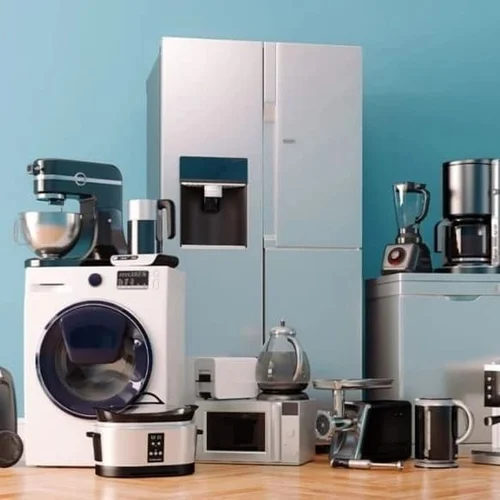
Bulk commodities (e.g., furniture, appliances)
Commodities (e.g., large furniture and home appliances), although in high demand, usually require high capital investment and sophisticated logistics management. Novice sellers may not be able to afford high transportation and warehousing costs, and the delivery and installation services for such goods often require specialized technical support.
Healthcare Products
Health and medical products involve stringent regulatory requirements and certification procedures, making it risky for novices without sufficient experience to enter the industry. Consumers demand a high level of trust in health products, and novice sellers often lack brand recognition and quality assurance, which can lead to customer mistrust and negative reviews.
Commercial and industrial equipment
Selling products such as commercial equipment, industrial equipment and heavy machinery can be a huge challenge for novice sellers.
These products often involve specialized knowledge and high purchasing costs, while most consumers tend to be corporate or bulk purchasers and the market is highly competitive.
It is difficult for start-up sellers who lack resources and industry experience to make an effective breakthrough in this area.
Luxury goods and high-end jewelry
While the market for luxury goods and high-end jewelry can be very lucrative, the barriers to entry in this industry are very high. It is difficult for novice sellers to obtain licenses from high-end brands and they need to deal with very complex supply chain, certification, brand maintenance and consumer trust issues.
Ultimate
No one can give you a “one-size-fits-all” niche, or at least you shouldn’t count on them. Success in a niche is based on your own in-depth research and experimentation. If someone can easily share in a lucrative niche, then maybe they don’t want to give away the “benefits” of the market – after all, good market opportunities should be explored on your own.
Ultimately, success in your niche is not about what others tell you, but about finding a direction that actually works by trying, adjusting and optimizing. Always remember: the market is constantly changing, and the only constant is that you have to keep figuring out and adjusting your strategy. Every seller can find the right market for them through their own efforts!
After finding niches that are performing well, consider moving to wholesale and private label models to reduce supply chain costs and boost profits. At the same time, optimize advertising and SEO strategies to attract more natural traffic. This process requires patience and sustained effort over time.