
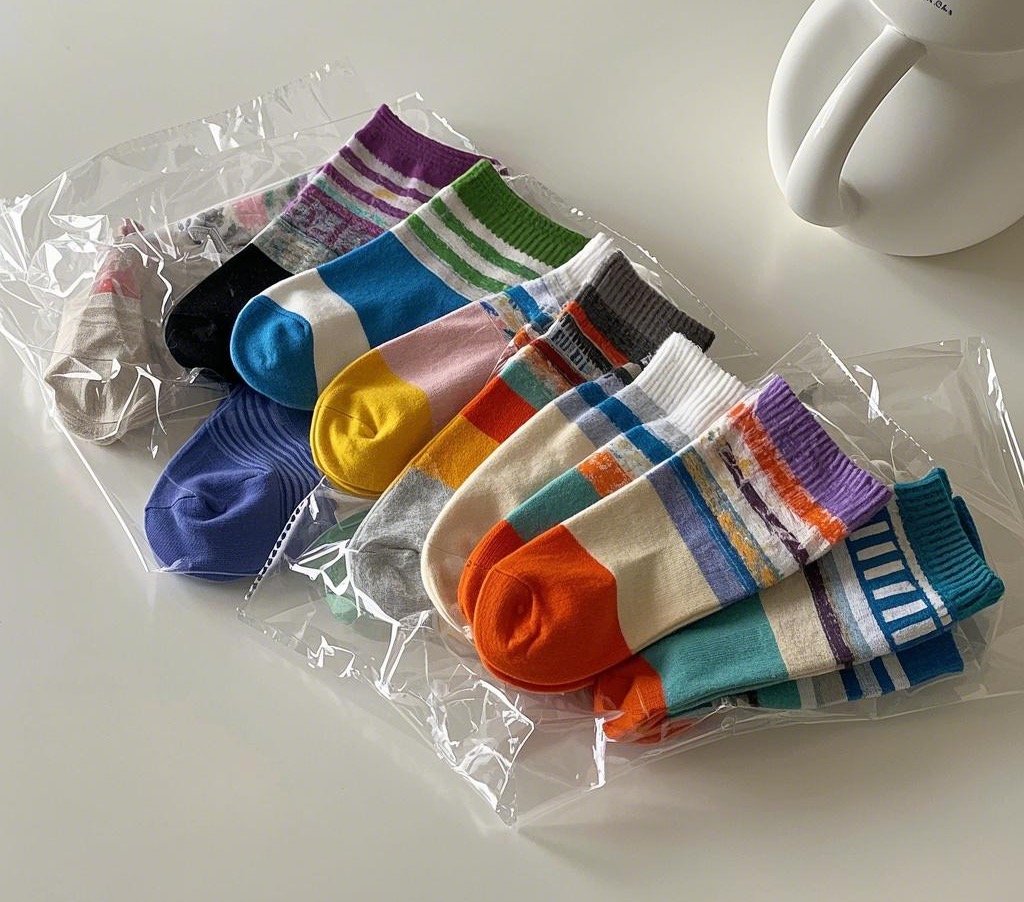
In China, socks are a popular consumer product with a highly developed supply chain, a wide variety of options, and extremely competitive prices.
Whether you are an international buyer looking to expand into overseas markets or an entrepreneur planning to build your own brand, finding a reliable sock wholesaler is a crucial step. This guide will walk you through the process of connecting with sock wholesalers in China, from online platforms to offline markets, and from initial screening to negotiation.
- 1. Online Channels: Connecting with Global Suppliers from Home
- 2. Offline Channels: Building Deep Trust through On-site Visits
- 3. In-depth Screening: Five Steps to Lock in Quality Partners
- 4. Cultural Communication: The Lubricant for Long-term Partnerships
- 5. Additional Tips for a Successful Sourcing Journey
1. B2B E-commerce Platforms:
The Digital Window for Trade Alibaba International (Alibaba.com) Enter keywords like “wholesale socks” or “socks manufacturer” in the search bar and use filters such as “Gold Supplier” and “Trade Assurance.”
It is recommended to prioritize suppliers with a “Verified” badge. Check their transaction records on the platform for at least three years, focusing on response rates (preferably above 98%) and customer reviews.
For example, a sock company in Yiwu shows “Continuous 5-year membership of TrustPass,” with 253 sock orders completed in the past 30 days, making it a priority contact. Made-in-China.com Use precise keywords such as “OEM sock customization” or “antibacterial and odor-resistant socks” for your search, and pay attention to the video factory verification reports provided by the companies.
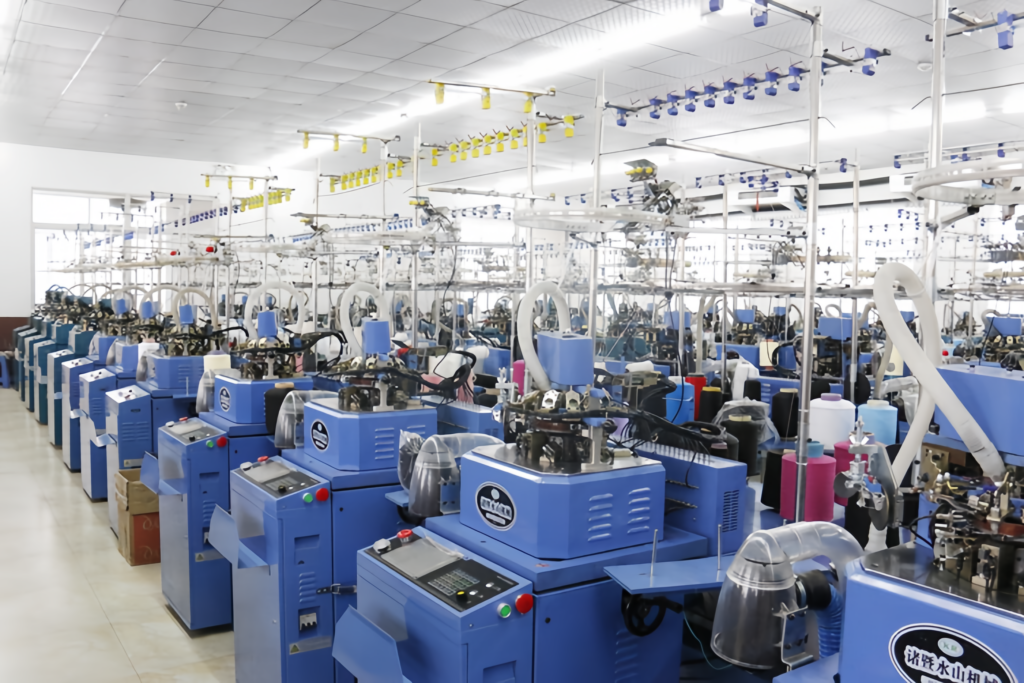
A factory in Guangdong displays a video of its automated sock-knitting production line, along with an ISO9001 certification, which can intuitively demonstrate its production capacity.
Niche Vertical Platforms Professional platforms like “Sock Industry Network” and “Sock Network” gather a large number of small and medium-sized manufacturers.
A family workshop in Datang, Zhuji, Zhejiang, offers personalized customization services with a minimum order of 100 pairs on “Sock Capital Network,” suitable for small-batch trial orders. Operational Suggestions: Use a combination search of “product keywords + OEM/ODM/wholesale.” Send structured inquiries to 10-20 suppliers (including target market, material requirements, minimum order quantity, and certification needs). Request 3-5 case studies of similar customer collaborations for reference.
2. Social Media:
Discovering Hidden Gems LinkedIn Search for “socks manufacturer China” and filter for accounts that actively post updates on production dynamics (such as new equipment launches and quality inspection process videos).
A company in Fujian continuously shares the development process of carbon fiber heating socks, demonstrating its technological innovation capabilities.
Facebook Industry Groups Join groups like “Global Socks Trading” and “Socks Manufacturers Connect,” and be cautious in identifying genuine manufacturers within the groups. A Bangladeshi buyer posted a video of a Yiwu supplier’s inspection in the group, and you can send a private message to obtain their contact information.
WeChat Ecosystem Search for public accounts like “Sock Industry Information” and “Knitwear Trade,” and add the business managers’ personal WeChat accounts. It is recommended to request real-time workshop photos (with the current date watermark) to verify authenticity.
1. Professional Wholesale Markets: An Immersive Procurement Experience:
- Yiwu International Trade City (Sock Section in Zone 4)
This 50,000-square-meter area gathers over 2,000 sock merchants. It is advisable to bring a translation tool when communicating with shop owners. Pay attention to the following:
- Whether the sample display is systematic (e.g., sports socks, stockings, medical socks displayed in separate sections).
- If component analysis reports are provided (such as cotton content and odor-resistant agent certifications).
- Inventory turnover (frequency of trucks entering and leaving the warehouse).
- The world’s largest sock trading center with an annual turnover exceeding 60 billion yuan. Focus on the following:
- Supporting industry chain (yarn market, dyeing and finishing center, logistics).
- Innovative product display area (e.g., graphene thermal socks, pressure sports socks).
- The “Foreign Business Service Center” established by the government offers free translation and legal consultation.
3.Negotiation Tips:
- For bulk purchases, negotiate a “tiered pricing” structure (e.g., $0.8 per pair for 100,000 pairs, $0.65 per pair for 500,000 pairs).
- Request “mixed batch” services (ordering 500 pairs each of 10 different designs).
- Negotiate a payment method of “15% advance payment + balance payment upon sight of the bill of lading copy.”
4. Industry Trade Shows: Face-to-Face Interaction with Top Suppliers:
- Shanghai International Sock Procurement and Trade Fair (CHPE)
- Demonstrations of intelligent sock-knitting machine operations (e.g., Italian Lonati equipment).
- New material laboratories (samples of bamboo fiber, milk protein fiber, etc.).
- E-commerce (to obtain analysis of Amazon best-sellers data).
- Business cards in both Chinese and English (with product demand points printed on the back).
- A USB drive storing design drafts (in AI/CDR formats).
- A portable GSM tester and colorfastness test card.
1. Production Qualification Review:
- Request a scanned copy of the Business License (verify through the National Enterprise Credit Information Publicity System).
- Check the environmental approval documents (especially the discharge permit for the dyeing process).
- Confirm export qualifications (customs codes, SA8000 social responsibility certification).
2. Production Capacity Assessment:
- Whether the monthly output reaches over 500,000 pairs (to ensure stable supply during peak seasons).
- Equipment list (e.g., the number of 160-needle computerized sock machines).
- Maximum order capacity during peak seasons (to avoid delays caused by overbooking).
3. Quality Control System Verification:
- Request QC process videos (including color difference detection, seam strength testing).
- Obtain third-party test reports from the past three months (e.g., SGS wear resistance test data).
- Conduct on-site random checks of inventory (randomly open 10 boxes to check consistency).
4. Cooperation Model Testing:
- Suggested trial order quantities: 3,000-5,000 pairs for sports socks, 1,000-2,000 pairs for stockings.
- Require a complete packaging solution (e.g., individual OPP bags + color boxes + shipping cartons).
- Confirm customization service details (logo embroidery position, number of times for tag information modification).
5. Risk Mitigation Strategies:
- Verify the company’s credit rating through China Credit Insurance Corporation.
- Specify in the contract a penalty of 1% per day for delayed delivery.
- Require the supplier to insure the goods for transportation.

- Time Perception: The Chinese often use phrases like “about three days” to mean 2-5 working days. It is advisable to specify this clearly in the contract.
- Negotiation Etiquette: Present a small gift (such as a souvenir from your country) during the first meeting and avoid excessive bargaining in person.
- Holiday Maintenance: Send electronic greeting cards before the Chinese New Year and mooncake gift boxes during the Mid-Autumn Festival (budget $50-100).
- Language Skills: Learn basic Chinese production terminology (e.g., “罗口”=cuff, “袜跟”=heel)

1. Understanding the Chinese Market:
2. Leveraging Local Resources:
3. Building Long-term Relationships:
4. Staying Updated with Industry Trends:
5. Navigating Logistics and Shipping:
6. Legal and Compliance Considerations:
7. Continuous Improvement and Feedback: