
Shipping your products in bulk, we can also deliver your products individually to your end customers if you make a single order worth $5,000.


How to Find Chinese Clothing Suppliers? (5 Essential Tips)

  In today’s global business environment, China, as one of the world’s largest clothing producers and exporters, has abundant clothing supply chain resources.

  Whether you are a fashion brand, retailer, or e – commerce seller, finding high – quality Chinese clothing suppliers can bring huge competitive advantages to your business. But how can you find the right partners among numerous suppliers? Today, I will share 5 essential tips with you to help you start a successful cooperation journey.
  Understanding the concentrated areas of Chinese clothing suppliers can enable you to carry out your search work more targeted.
 

1.The Yangtze River Delta Region:

  Represented by cities such as Shanghai, Hangzhou, and Ningbo. As an international metropolis, Shanghai has gathered many high – end clothing brands and design studios, with rich fashion resources.
 
  It has significant advantages in clothing design and brand operation, and the production bases of many international well – known brands in China are also located here.
 
  Hangzhou is not only the capital of e – commerce but also has a very developed clothing industry. The Sijiqing Clothing Market is well – known far and wide. Suppliers here are good at following fashion trends, and the women’s clothing they produce has novel styles and a fast update speed, which is deeply loved by e – commerce sellers and retailers.
 
  Ningbo is an important men’s clothing production base, with a complete men’s clothing industry chain. All links, from fabric production to garment manufacturing, are closely coordinated, and the product quality is excellent, occupying an important position in the domestic men’s clothing market.

2.The Pearl River Delta Region:

  Mainly including Guangzhou, Shenzhen, Dongguan, etc. Guangzhou has a long – standing clothing industry and has many large – scale clothing wholesale markets, such as Baima Clothing Market and Shisanhang Clothing Market.
 
  The clothing categories here are complete, covering various fields such as fashion women’s clothing, men’s clothing, and children’s clothing, and the price range is wide, which can meet the needs of different customers.
 
  Shenzhen’s clothing industry focuses on innovation and brand building. Many original design brands have emerged, and it is at the forefront of the industry in terms of clothing design and fabric research and development.
 
  The product styles are diverse, and it is particularly competitive in the fields of high – end women’s clothing and fashion casual wear. Dongguan is a globally renowned clothing processing and manufacturing base, with strong production capacity and advanced production technology.
 
  Many international famous brand clothing is processed and produced here, and the clothing produced has stable quality and exquisite craftsmanship.
 

3.The Bohai Rim Region:

  Cities like Beijing, Qingdao, and Dalian are the core of the clothing industry in this region. As the political and cultural center, Beijing has rich fashion resources and talent reserves and has advantages in clothing design and brand display.

  At the same time, there are also some large – scale clothing enterprises and wholesale markets. Qingdao is an important textile and clothing industry base, with distinctive features in knitted clothing and marine casual wear. The industry supporting is complete, and it has a high reputation in both domestic and international markets.

  Dalian mainly produces women’s clothing and professional wear, with a clothing style that combines fashion and practicality. Relying on its unique geographical location and open economic environment, it maintains close contact with domestic and international markets.

4.The Central Region:

  Cities such as Wuhan and Zhengzhou have seen rapid development of the clothing industry in recent years. The Hankouzhenghanjie Clothing Market in Wuhan is one of the largest clothing wholesale markets in Central China.
 
  It has gathered many clothing suppliers, and the products have high cost – performance ratios and a wide radiation range. They not only meet local needs but also are sold to surrounding provinces and cities.
 
  As a transportation hub in the Central Plains, Zhengzhou’s clothing industry has developed rapidly with the help of its logistics advantages.
 
  It has formed certain industrial clusters in fields such as women’s pants and children’s clothing, with diverse product styles and affordable prices.
  In the Internet age, online platforms have provided great convenience for you to find Chinese clothing suppliers. Various B2B platforms, social media, and industry forums can all become treasure troves for excavating high – quality suppliers.
 

1.The Advantages and Usage Methods of Mainstream B2B Platforms:

  Platforms like Alibaba.com and Global Sources have huge supplier databases, covering various types and scales of clothing enterprises. You can quickly locate suppliers that produce specific clothing categories through keyword search, such as “women’s dress suppliers” or “men’s sportswear manufacturers”.
 
  At the same time, the platforms also provide detailed information of suppliers, including company introductions, product displays, customer reviews, etc., helping you comprehensively understand the strength and reputation of suppliers.
 
  For example, John, an American clothing retailer, found a clothing supplier in Guangzhou through Alibaba.com. He searched for “fashion women’s clothing suppliers” on the platform, browsed the information of dozens of suppliers, and screened out several enterprises that met his budget and quality requirements.
 
  Through the communication tools on the platform, he got in touch with these suppliers and further understood product details and cooperation conditions. Eventually, he reached a cooperation with one of the suppliers, and the women’s clothing he purchased was warmly welcomed by consumers in the local market, with sales increasing by 30% within half a year.
 

2.The Role of Social Media and Industry Forums:

  In addition to B2B platforms, social media and industry forums are also important channels for obtaining supplier information. On LinkedIn, you can join various clothing industry groups, communicate with industry professionals, and learn about potential suppliers.
 
  Many clothing enterprises also promote their products and services on social media, and you can discover high – quality suppliers by following relevant accounts.
Industry forums are places where peers exchange experiences.
 
  You can search for discussion threads about Chinese clothing suppliers on the forums and learn about other buyers’ purchasing experiences and recommendations.
 
  For example, on clothing industry forums, buyers often share their successful cooperation cases with Chinese suppliers and the problems they encountered, and all this information can provide you with valuable references.
 
  According to statistics, the proportion of enterprises that find suitable suppliers through social media and industry forums reaches 20%, which fully demonstrates the effectiveness of these channels.
  Although online platforms are convenient and fast, participating in offline exhibitions and conducting on – site inspections of supplier factories can enable you to more intuitively understand the strength and product quality of suppliers.
 

1.Introduction to Well – known Clothing Exhibitions:

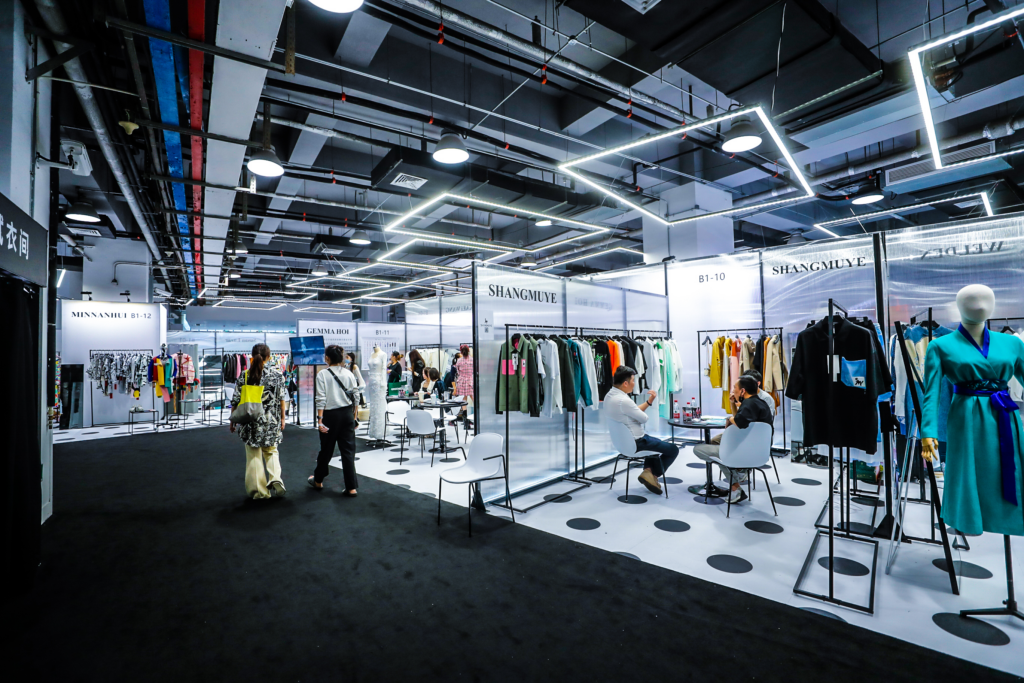
  China holds many large – scale clothing exhibitions every year, such as the China International Clothing & Accessories Fair (CHIC) and the Shanghai International Textile and Apparel Trade Fair (INTERTEXTILE).
 
  These exhibitions gather clothing suppliers from all over the country and display the latest clothing styles and technologies. You can communicate face – to – face with suppliers at the exhibitions, understand their product features, production capacity, and cooperation intentions.
 
  For example, at CHIC, you can see various styles and categories of clothing, ranging from high – end fashion brands to mass – market casual wear.
 
  Through communication with suppliers, you can obtain the latest industry trends and fashion trends at the first time, providing a basis for your purchasing decisions.
 

2.The Importance and Precautions of On – site Inspections:
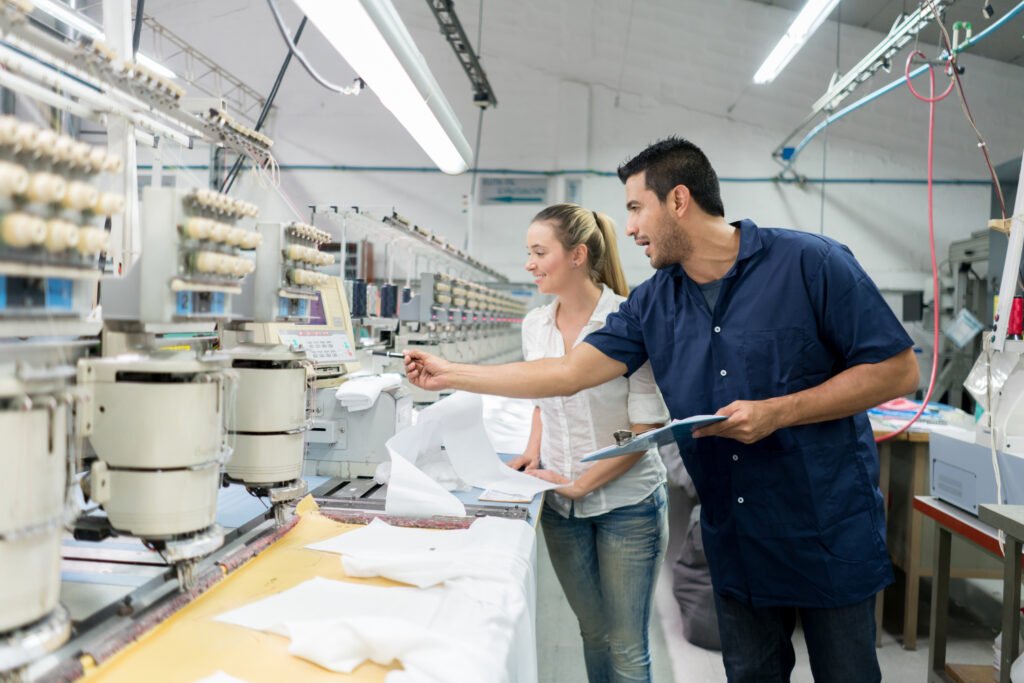
  On – site inspection of the supplier factory is a key link to ensure the smooth progress of cooperation. Before the inspection, you need to communicate with the supplier in advance about the inspection time and itinerary arrangements.
 
  During the inspection, focus on the factory’s production equipment, production process, quality control system, and employee quality.
 
  For example, a British clothing brand conducted an on – site inspection of a Chinese supplier’s factory before deciding to cooperate. They found that the factory had advanced production equipment, a standardized production process, and strict quality control, but there was still room for improvement in employee training.
 
  Through communication with the supplier, the supplier promised to strengthen employee training and improve employees’ professional skills.
 
  Eventually, the two sides reached a cooperation, and during the cooperation process, the product quality was stable, and the order delivery was timely.
 
  During the on – site inspection, you can also request to view the relevant certificates and qualifications of the supplier, such as ISO quality management system certification, environmental protection certification, etc., to ensure that the supplier meets your requirements.
  After initially contacting many suppliers, a strict screening and evaluation process is essential, which is directly related to the smooth progress of subsequent cooperation.
 

(1) Setting Screening Criteria:

  1. Production Capacity Assessment: According to your order size and expected growth, examine the number of production equipment, the area of the production workshop, and the number of employees of the supplier. For example, if you plan to purchase 5,000 pieces of clothing per month, the supplier should have the corresponding daily and monthly production capacity guarantee to avoid order backlogs or delivery delays. At the same time, find out whether it has a flexible production mechanism to cope with peak order periods, such as whether it can temporarily increase workers or extend working hours.
  1. Quality Control System: Focus on the supplier’s fabric procurement channels. High – quality fabrics are the foundation of clothing quality. Check whether it cooperates with well – known fabric suppliers and whether there is a fabric inspection link to ensure that fabric composition, color fastness, shrinkage rate, and other indicators meet the standards. In terms of production technology, examine the technological level of sewing, cutting, ironing, and other links. For example, whether the stitch length is uniform and whether the thread ends are cleanly processed. In addition, understand the supplier’s quality inspection process, whether there is a professional quality inspection team and complete inspection equipment, such as whether finished product sampling inspections are carried out and whether there are third – party inspection reports.
  1. Cost and Price Considerations: In addition to paying attention to whether the supplier’s quotation is within your budget, also analyze its price composition. Understand the proportion of various parts such as raw material costs, production costs, and transportation costs to judge the rationality of the price. At the same time, inquire about the price stability, whether it will be frequently adjusted with the fluctuation of raw material prices, and whether there are price discounts for bulk purchases. For example, some suppliers may negotiate price adjustments with you in advance when raw material prices rise instead of unilaterally increasing prices. Such suppliers with good communication and price management capabilities are more worthy of consideration.
  1. Enterprise Qualifications and Reputation: Check whether the supplier has basic qualifications such as relevant business licenses and tax registration certificates, as well as industry – specific certifications, such as OEKO – TEX Standard 100 (International Environmental Protection Textile Standard Certification), indicating that its products meet international requirements in terms of environmental protection. Through enterprise credit inquiry platforms, understand whether it has any legal disputes, administrative penalties, and other bad records. Check the evaluations of other buyers on the supplier on B2B platforms or industry forums, including feedback on product quality, delivery timeliness, after – sales service, etc.

(2) Sample Testing:

  1. Appearance and Style Inspection: Carefully observe the overall appearance of the sample to see if it is consistent with the design drawing or product description provided by the supplier. Check whether the clothing’s  (fit) is suitable and whether the lines are smooth. For example, whether the shoulder line and waistline design of women’s clothing conform to ergonomics, and whether the collar and cuffs of men’s clothing are comfortable. Check the detailed designs of the clothing, such as the material and workmanship of buttons, the smoothness of zippers, and the clarity of embroidery or printing.
  1. Fabric Texture and Performance Testing: Touch the fabric by hand to feel whether its softness, smoothness, and thickness meet expectations. For different types of fabrics, such as pure cotton, chemical fiber, wool, etc., understand whether their respective characteristics meet the standards. For example, pure cotton fabrics should have good moisture absorption and breathability, and chemical fiber fabrics should have certain wear resistance and wrinkle resistance. Conduct simple fabric performance tests, such as pulling the fabric to check its strength, wiping it with a damp cloth to check color fastness, and observing whether there is shrinkage after the fabric is placed for a period of time.
  1. Wearing Experience Evaluation: If conditions permit, try on the sample in person to feel the comfort of the clothing, including whether there is a tight feeling and whether the movement is free. At the same time, observe the appearance changes of the clothing during the wearing process, such as whether it is easy to wrinkle or deform. For functional clothing, such as sportswear, also test its performance in sports scenarios, such as whether the breathability and sweat – wicking performance are good.
  After establishing a cooperative relationship, you cannot take it lightly. You need to always control cooperation risks and continuously optimize the cooperation.


1. Risk Prevention and Control:

  Clarify the rights and obligations of both parties in the cooperation contract, especially key clauses regarding product quality, delivery time, price adjustment, liability for breach of contract, etc., to avoid being without basis in case of disputes.
 
  At the same time, pay attention to market dynamics and the operating conditions of suppliers, such as fluctuations in raw material prices and whether the supplier has major legal disputes, and take pre – emptive measures.
 

2.Cooperation Optimization:

  Regularly evaluate and summarize the cooperation, and jointly discuss with the supplier how to improve product quality, increase production efficiency, and reduce costs. Share market information and industry trends, and jointly develop new products and markets to achieve long – term win – win cooperation.

Conclusion

  Finding the right Chinese clothing suppliers requires you to comprehensively apply the above five tips, make full use of online and offline channels, conduct rigorous screening and evaluation, and establish good communication and cooperation relationships.
 
  I hope the above content can be helpful to you. I wish you all the best in the process of finding suppliers and that you can gain satisfactory partners.
 
  If you encounter any problems during the procurement process or need further help, please feel free to contact us. We look forward to working with you to create a better future!
 

Leave a Comment

Your email address will not be published. Required fields are marked *

Update cookies preferences
Scroll to Top

Ask For A Quick Quote

We will contact you within 1 working day, please pay attention to the email with the suffix “info@goodcansourcing.com”