
When choosing a supplier, many people are faced with a fairly common question: which type of supplier is more appropriate? Whether you choose a manufacturer, an agent or a trading company, there are advantages and disadvantages to each type of supplier.
It’s not just about the cost of sourcing, but also about the quality of the product, the stability of delivery, and the assurance of after-sales service. Therefore, understanding the characteristics of different types of suppliers and their respective advantages and disadvantages is a very important step before making a choice.
Next, let us analyze the following 7 puts to help you find the most suitable partner for your business needs.
What type of vendor did you choose?
Trading Company
For foreign buyers, working directly with Chinese factories can be a bit complicated, rather than working with a trading company which is more flexible and convenient. Trading companies are familiar with the Chinese market and the procurement process, and can help deal with various trivial details.
For example, they can arrange quality control, negotiate prices, assist in customs clearance, etc., so that buyers do not have to spend their own energy on each link. Especially for first-time buyers sourcing from China, traders can reduce a lot of communication and operational troubles.
Trading companies usually work with multiple factories and can offer a wider selection of products. Buyers need multiple product categories, or have small quantities, diversified procurement needs, through the trader can be a one-time solution. It not only saves time, but also avoids the tedious process of communicating back and forth with multiple suppliers.
Trading companies usually have minimum order quantities starting at $1,000, which is very friendly to startups and businesses that want to order small quantities.
Manufacturer
Manufacturers are directly responsible for converting raw materials into goods and ultimately providing a deliverable product. Buyers, retailers, or other business partners often work directly with manufacturers to purchase in bulk.
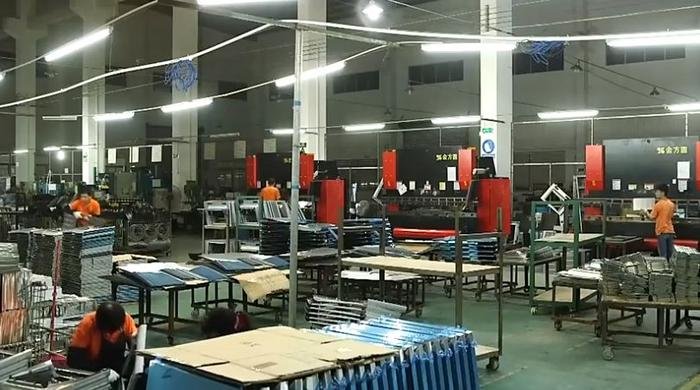
Working directly with manufacturers, especially when trading across borders, issues such as language barriers and time differences may lead to miscommunication and add to the complexity of the transaction. Manufacturers usually require a high MOQ (starting quantity), usually above 1,000, and for some small purchasers, they may not have enough capital or storage space to accept large orders.
Manufacturers’ after-sales service may be relatively simple, and if problems arise, purchasers may need to resolve quality or delivery issues themselves, without a third party to coordinate.
Nowadays, many manufacturers have opened physical stores, accounts on the online alibaba platform, and usually go to well-known trade shows. They can be found in these places, and it is best to prepare some basic Chinese to facilitate communication.
Wholesaler
A wholesaler purchases goods in bulk from a manufacturer and resells them to retailers, distributors or other customers. When working with a wholesaler, buyers typically don’t have to deal with high minimum order quantities (MOQs) as they would when working directly with a manufacturer.
Wholesalers typically distribute merchandise to multiple customers, so they are able to offer smaller-volume purchasing options that help small businesses or buyers with little capital reduce inventory risk.

Since wholesalers are middlemen, they purchase goods from manufacturers and sell them at a markup. As a result, purchasers usually pay slightly higher prices for goods purchased through wholesalers than when they buy directly from manufacturers.
When purchasing through a wholesaler, the purchaser has less control over the production schedule, quality control and delivery time of the product, and there may be delays or communication problems between the wholesaler and the manufacturer, which may affect the final delivery.
Wholesalers sell cluttered products, mostly popular products, and if you want to work with wholesalers for a long time, they are not professional enough to focus on their products.
Research the supplier's product line
Researching a supplier’s product line not only helps buyers choose the right supplier, but also ensures that they are getting merchandise that meets quality standards, is reasonably priced, and meets market demand.
A product line usually refers to a series of related products offered by a supplier, which may belong to the same category or have similar functions and uses. A complete product line includes not only the type of product, but may also involve different specifications, colors, sizes, features and accessories of the product.
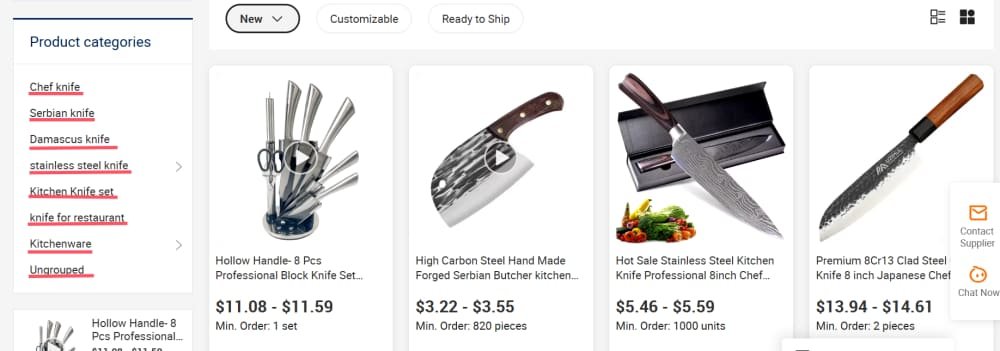
The supplier’s most dominant and representative product is usually their main product. For example, the core product of a supplier that produces kitchenware might be various types of kitchen knives or pots and pans. Goods attached to the core product may be accessories or ancillary goods. For example, a supplier that sells kitchen knives may also sell ancillary products such as knife holders and knife sharpeners.
If you are working with a kitchenware product and the supplier also offers tables and chairs in different materials, sizes and styles, it is likely that the product is sourced from a furniture supplier.
A supplier’s product line reflects their experience and expertise. If a supplier has a wide range of products and consistent quality in each category, it usually indicates that they have a high level of credibility and experience in the industry.
Supplier's factory address
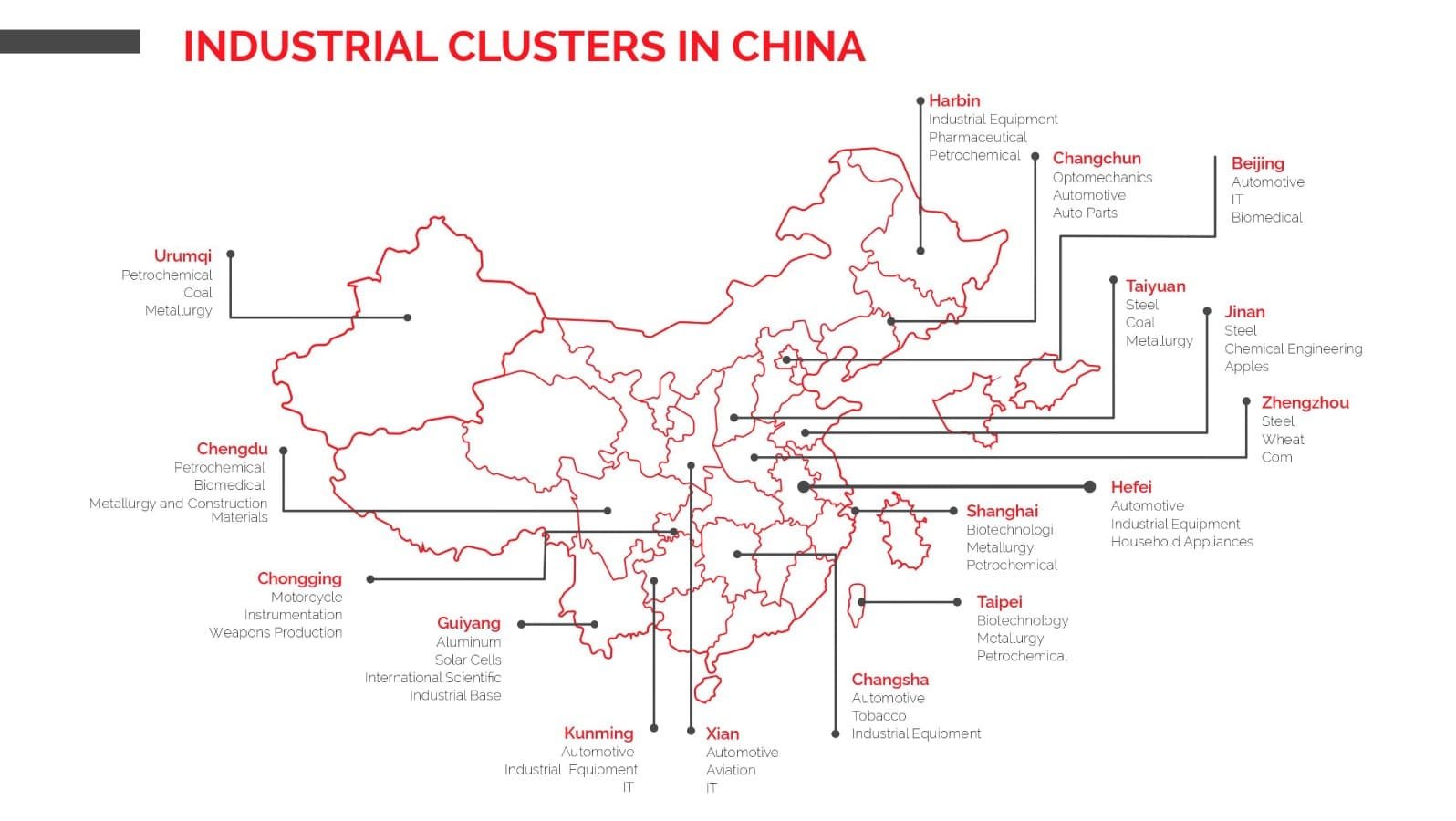
The factory address is not only a geographical location, but also reveals a lot of information about the supplier’s production capacity and the industry group in which it is located. For buyers, the factory address can help them determine whether the supplier has sufficient production strength.
For example, finding a supplier of small commodities in Yiwu, Zhejiang Province, often means that they are able to mass produce small commodities and have a wide range of products at reasonable prices. Factories in these areas have usually established sound production and management systems through long-term market competition.
Purchasers can choose suppliers with better quality products and more competitive prices based on the regional characteristics of the industrial clusters. For example, if you want to purchase bags, it may be more appropriate to look for suppliers located in the Huadu District of Guangzhou, which is a bag production base.
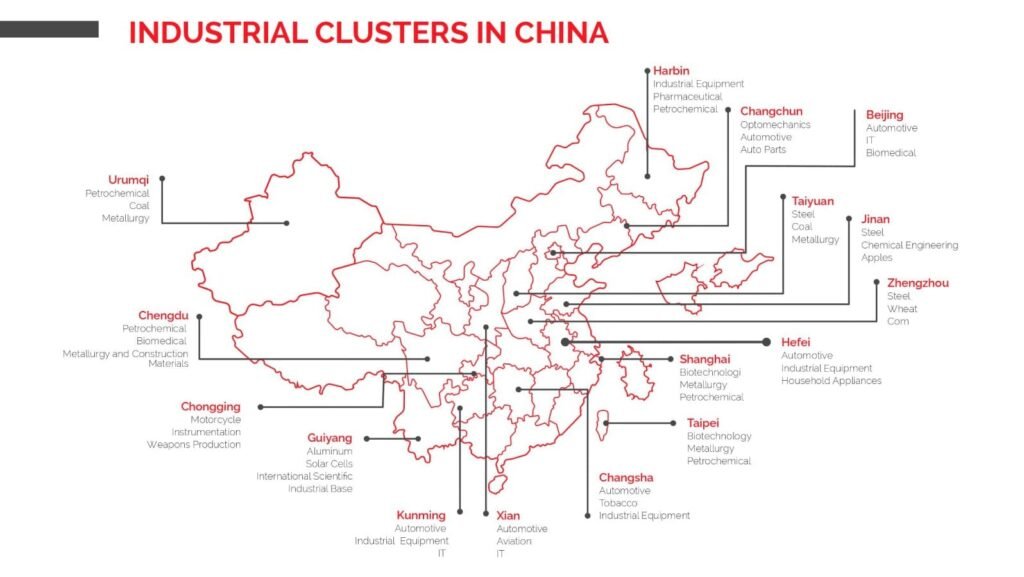
Determining the supplier’s factory address allows buyers to judge the supplier’s level of professionalism and production experience, facilitates the scheduling of trips, saves time and costs, verifies that the factory belongs to an industrial cluster area, and thus enhances trust in product quality and production efficiency.
Number of years the supplier company has been established
For foreign buyers, the longer a supplier has been established, the more stable it usually is, which also means more production experience and industry resources, and enough ability to cope with various problems in production and supply chain.
Experienced companies have been through various challenges in the market and the quality of their products is more likely to be stable. For example, a home furnishings company that has been in business for more than 10 years will have a deeper understanding of product design and market demand, and will be able to provide goods that are more in line with customers’ needs.
Many vendors will mark the date of establishment on their website or catalog, and they will use this as a way to brand themselves and add a level of trust to their customers.
In China, some official industrial and commercial websites (e.g., the National Enterprise Credit Information Publicity System) provide company registration information, and foreign buyers can search for the supplier’s company name and find the date of establishment on these websites.
For example, one of the more popular enterprise information search platforms in China, Qichacha, can be found at https://www.qcc.com. There is also an official search platform provided by China’s State Administration for Market Supervision and Administration (SAMSA), where the information is authoritative and free of charge.
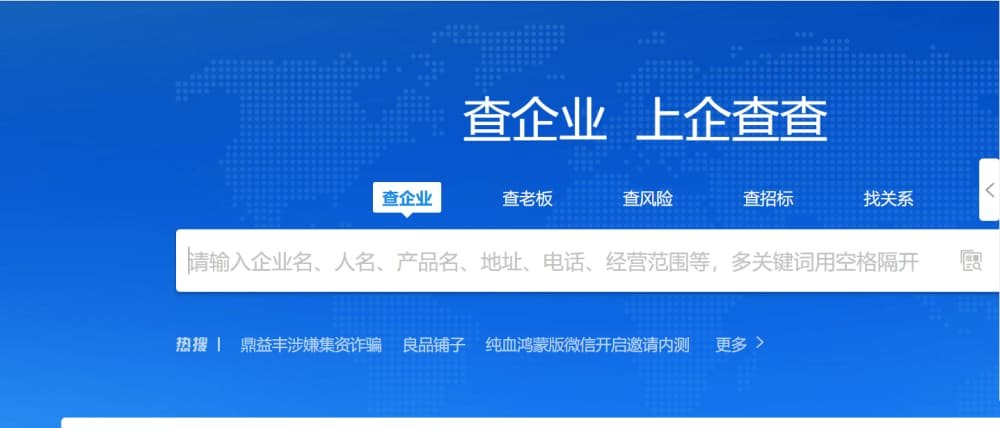
Purchasers need to assess reliability, experience and stability by the number of years a supplier has been established, and, of course, an in-depth understanding of the supply’s actual operations is essential.
Reference supplier export data
Export data not only serves as proof of a supplier’s performance, but also helps buyers determine a supplier’s reliability, product quality, and suitability for them.
Export data reflects whether a supplier has extensive experience in international markets. If a supplier has a stable export record, it shows that they are familiar with the export process, meet international standards, and have the ability to handle large-volume orders. For example, if a buyer finds an apparel supplier exporting hundreds of thousands of products per year, that supplier may be more specialized in quality management, packaging, logistics, etc., reducing procurement risk.
Export data usually contains the supplier’s main export markets. Buyers can use this data to see if a supplier’s products meet the market needs of a particular country. If a factory mainly exports furniture for the European and American markets, buyers can make an initial judgment that the style, materials and safety standards of these furniture may meet their requirements.
Export data can also reflect a supplier’s production scale and delivery capacity. By looking at the number and frequency of orders in the past, buyers can determine whether a supplier has the capacity to deliver consistently. If an electronic component supplier has been able to export large quantities of products every month in the past, they may have enough capacity to handle large orders.
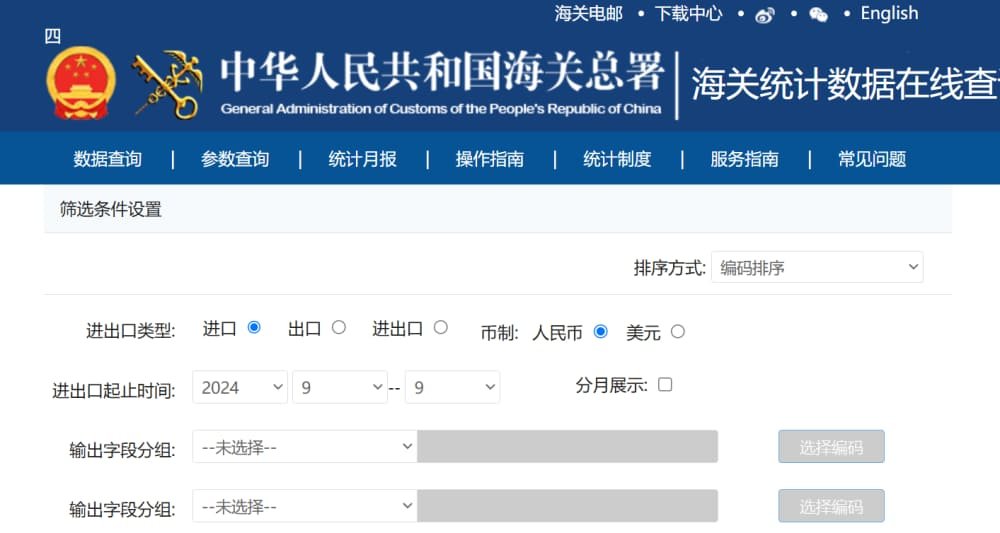
Many third-party trade platforms and databases provide detailed export data, such as Customs data platforms (e.g. Panjiva, ImportGenius, Datamyne, etc.). These platforms provide information on a supplier’s export volume, major markets, customer base, etc. based on customs records and export lists, helping buyers get a comprehensive picture of a supplier’s export performance.
While export data is important, it is only one aspect of evaluating a supplier. Purchasers also need to consider other factors, such as factory visits and the quality of product samples, in order to fully determine whether a supplier is right for them.
Check product compliance certifications
When importing goods from China, it is very important to understand the product qualification certification. Product qualification is not only a guarantee of quality, but also helps buyers to avoid compliance risks and ensure that the products can enter the target market smoothly.
Each country has different requirements for imported goods, and many products need to meet specific certification standards before they can be legally sold. For example, electronic products need to be CE certified in Europe and FCC certified in the United States.
If a buyer does not check for certification, imported products may face customs clearance difficulties or even be refused entry or recalled, which can lead to additional costs and wasted time.
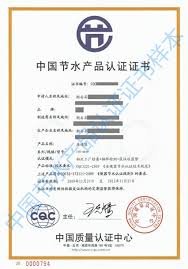
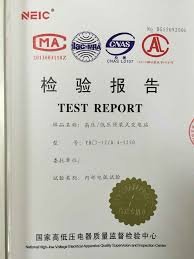
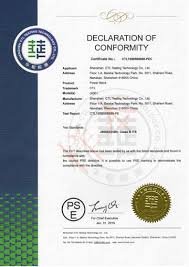

Products that meet the certification of the target market are more likely to gain the trust of buyers and help buyers open the market faster. Many consumers are more willing to choose products with certification, which can enhance the market image of the product and thus increase competitiveness.
Purchasers can judge the professionalism and integrity of suppliers by knowing the qualifications. Those suppliers who can provide qualified qualifications are usually more strict in production quality and management, and are reliable partners for long-term cooperation.
The quickest way for purchasers to request relevant certificates is to ask the supplier directly. Suppliers can be asked to provide scanned copies of the certifications and carefully verify their validity. Sometimes the certificate number can also be verified through the certification body’s official website to confirm its authenticity.
Checking the legal qualifications of suppliers
When importing goods from China, it is a crucial step to know the legal qualification of the supplier. The legal qualification is not only the proof of the supplier’s formal operation, but also relates to the protection of the buyer’s rights and interests and the security of the transaction.
General Qualification
Business License: Chinese factories must have a legal business license, which is the basic business qualification for registration within China.
Production License: For specific industries, such as food, medicine, cosmetics, etc., the Chinese government requires factories to obtain a production license to ensure that the factory meets production requirements.
Tax Registration Certificate: This is used to pay taxes legally and to prove the company’s compliance.
International Export Certification
Different countries and regions have different standards and requirements for imported products.
European and American Markets
- CE marking (Europe): For products sold in the EU market (e.g. electronics, electrical appliances, machinery, etc.), the CE marking indicates that the product complies with the EU standards for health, safety, and environmental protection, and it is the “passport” for the product to enter the European market.
- RoHS (Restriction of Hazardous Substances Directive, Europe): Electronic products need to comply with RoHS standards to ensure that the content of hazardous substances in the product does not exceed the prescribed range.
- FCC certification (U.S.): for electronic products, FCC certification ensures that products comply with U.S. electromagnetic compatibility standards.
- FDA Certification (U.S.): For food, pharmaceutical, medical device, cosmetic and other industries, FDA certification is a necessary qualification to enter the U.S. market.
- UL Certification (USA): mainly for electronic and electrical products, UL certification ensures product safety and reduces the risk of fire, electric shock, etc.
General Certification
ISO Certification (Quality Management): ISO certifications such as ISO 9001 (Quality Management), ISO 14001 (Environmental Management), and ISO 45001 (Occupational Health and Safety Management) are the standards for factories to improve their quality management capabilities, which can help them to export to different markets around the world.
Thank you for reading, I hope you found this article helpful, and if you have any better methods or questions about vendor background checks, feel free to let me know in the comments below.
Goodcan is a professional agent purchasing company in Yiwu, if you need the best service and offer the most competitive price, please contact us!