
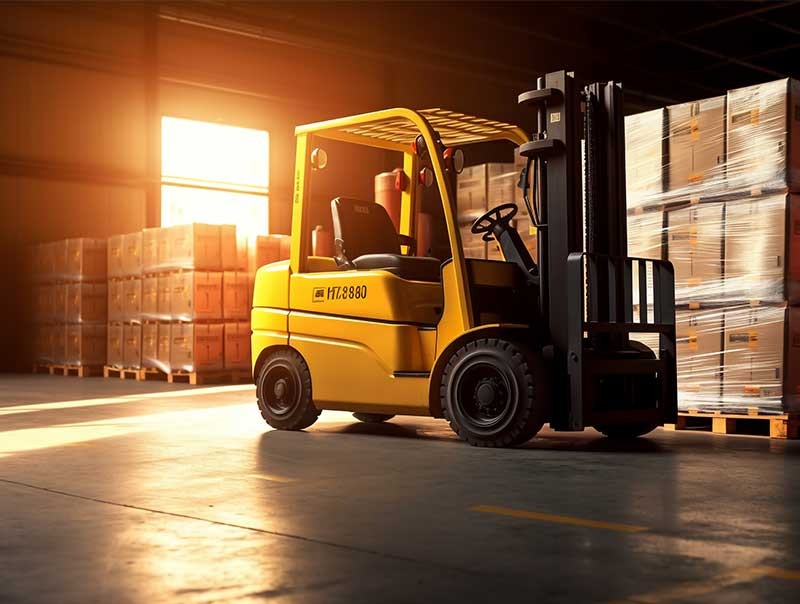
In the fields of international logistics and air freight, cargoes are usually classified into two major categories: general cargoes and special cargoes.
A deep understanding of the definitions, categories and handling methods of these two types of cargoes not only helps to improve transportation efficiency, but also ensures the safety and compliance of the transportation process. This article will provide a detailed analysis of the relevant knowledge of these two types of cargoes.
1. Definition:
General cargoes, also known as common goods (General Cargo), refer to cargoes that do not require special handling during transportation, loading and unloading, and storage. They usually have the following characteristics:
- Ordinary nature: They do not contain dangerous or special requirements.
- Standard packaging: The cargoes should adopt conventional packaging methods. Ordinary cartons, wooden boxes or plastic packaging can be used without special protective measures. Ensure that the packaging materials have certain strength and toughness to withstand the bumps and collisions during transportation and maintain the integrity of the cargoes.
- Transportation requirements: Usually, common transportation tools such as common road trucks, railway freight trains, inland waterway shipping vessels and civil aviation cargo aircraft can be used, and corresponding conventional transportation methods such as road transportation, railway transportation, waterway transportation and air transportation can be adopted.
2. Common Categories and Handling Requirements:
(1) Dangerous Goods:
- Definition: Items with characteristics such as flammability, explosiveness, corrosiveness and toxicity.
- Handling requirements:
- Packaging: Use special containers that meet international standards.
- Labeling: Clearly mark the dangerous goods signs.
- Transportation: Select carriers with the qualification for dangerous goods transportation.
- Customs clearance: Provide a dangerous goods transportation statement and relevant supporting documents.
(2) Valuable Goods:
- Definition: Goods with high value, vulnerable to damage or theft.
- Handling requirements:
- Packaging: Use sturdy packaging materials, such as steel boxes.
- Security: Equip with special personnel for escort or use GPS tracking devices.
- Insurance: Purchase transportation insurance to ensure the safety of the goods.
- Transportation: Give priority to direct flights to reduce transfer risks.
(3) Perishable Goods:
- Definition: Goods that are prone to spoilage and deterioration at normal temperatures.
- Handling requirements:
- Packaging: Use thermal insulation and heat insulation materials for packaging.
- Temperature control: Ensure temperature control during transportation, such as refrigerated trucks and cold chain transportation.
- Transportation: Choose fast transportation methods to shorten the transportation time.
- Customs clearance: Provide a sanitary quarantine certificate and relevant documents.
(4) Oversized and Overweight Cargoes:
- Definition: Cargoes with large volume or weight exceeding the conventional standards.
- Handling requirements:
- Packaging: Design a special packaging plan according to the characteristics of the cargoes.
- Transportation tools: Use special transportation tools, such as low-bed trucks and cranes.
- Loading and unloading: Arrange professional personnel for loading and unloading to ensure safety.
- Customs clearance: Provide an overweight transportation permit and relevant certificates.
(5) Live Animals:
- Definition: Animals that need to maintain their lives during transportation.
- Handling requirements:
- Packaging: Use special containers that meet the animal transportation standards.
- Environmental control: Ensure suitable temperature, humidity and ventilation conditions.
- Transportation: Select carriers with the qualification for animal transportation.
- Customs clearance: Provide an animal quarantine certificate and relevant documents.
Through the above description of the handling methods of general cargoes, we clearly understand the operation points in the links of packaging, labeling, transportation and customs clearance.
Next, we will turn our attention to special cargoes and explore their unique features in terms of definition, common categories and handling requirements.
1.Definition:
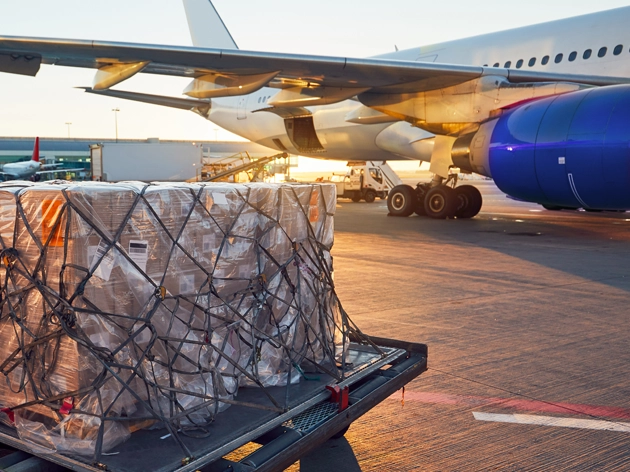
Special cargoes (Special Cargo) refer to cargoes that require special measures to be taken due to their special nature, value, volume, weight or safety requirements during transportation, loading and unloading, and storage. Common special cargoes include:
- Dangerous goods: Such as chemicals, inflammable and explosive items, etc.
- Valuable goods: Such as jewelry, artworks, high-end electronic products, etc.
- Perishable goods: Such as fresh food, medicines, etc.
- Oversized and overweight cargoes: Such as large mechanical equipment, building materials, etc.
- Live animals: Such as pets, experimental animals, etc.
2.Common Categories and Handling Requirements:
(1)Dangerous Goods:
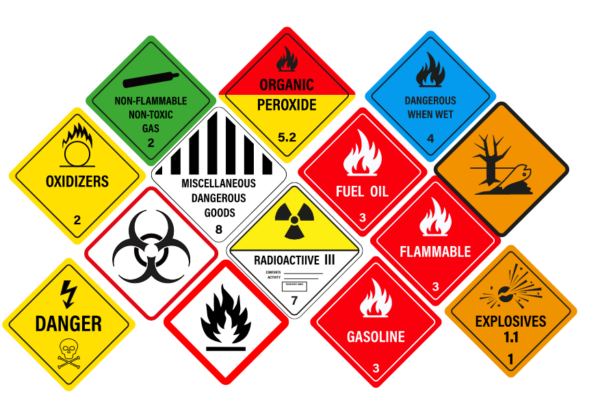
- Definition: Dangerous goods refer to items with characteristics such as flammability, explosiveness, corrosiveness and toxicity. If not properly handled during transportation, storage and handling, they can easily cause serious safety accidents, posing a great threat to human life, the environment and property. Such items widely cover fields such as chemical raw materials, certain medicines and specific electronic products.
- Handling requirements:
- Packaging: Must strictly use special containers that meet international standards. These containers are specially designed and tested to effectively prevent the leakage and volatilization of dangerous goods. For example, the sealed metal cans for flammable liquids are made of materials with good corrosion resistance and compressive resistance, ensuring safety even during bumpy transportation.
- Labeling: Clearly mark the dangerous goods signs in prominent positions on the packaging. These signs have globally unified norms and styles. Through intuitive graphics and colors, such as the skull representing toxicity and the flame representing flammability, relevant personnel can quickly identify the dangerous attributes of the cargoes from a long distance, so as to take preventive and response measures in advance.
- Transportation: Only carriers with the qualification for dangerous goods transportation can be selected. Such carriers have professional transportation vehicles equipped with a series of safety devices such as fire prevention, explosion prevention and leakage prevention. Their drivers and escorts have all received professional training and are familiar with various regulations and emergency handling procedures for dangerous goods transportation.
- Customs clearance: Need to provide a dangerous goods transportation statement and relevant supporting documents. The transportation statement elaborates on key information such as the dangerous category, nature and quantity of the cargoes. The relevant supporting documents include the safety data sheet (MSDS) of the manufacturer, etc., to help the customs accurately assess the risks and ensure compliance for release.
(2)Valuable Goods:
- Definition: Valuable goods usually refer to goods with high value, delicate texture and vulnerability to damage, or goods that are extremely attractive due to their value and are prone to theft. Jewelry, high-end electronic products, precious artworks, etc. are all included in this category.
- Handling requirements:
- Packaging: Select sturdy packaging materials, such as specially made steel boxes. Such boxes not only have strong physical protection capabilities to resist a certain degree of collision and extrusion, but can also be equipped with multiple locks and alarm devices, reducing the risk of damage and theft of the goods from a physical level.
- Security: Professional security guards can be assigned for full – course escort. These guards have received professional security training and are capable of handling various emergencies. Or use advanced GPS tracking devices to monitor the location of the goods in real time. Once there is an abnormal displacement, an alarm can be issued in time and the goods can be located.
- Insurance: Be sure to purchase sufficient transportation insurance. Through a professional insurance plan, comprehensively cover the risks such as loss and damage that may occur during transportation to ensure the safety of the goods. In case of an accident, the consignor can obtain corresponding financial compensation to reduce losses.
- Transportation: Give priority to direct flights. Direct flights can minimize the number of cargo transfers, avoiding the increased risks of collision and loss during multiple loading, unloading and transshipment in the transfer process, and ensuring the continuity and safety of the transportation of valuable goods.
(3)Perishable Goods:
- Definition: Perishable goods refer to goods that are prone to spoilage and deterioration due to factors such as microbial growth and chemical reactions in a normal temperature environment. Common ones include fresh fruits and vegetables, meat, seafood and some medicines.
- Handling requirements:
- Packaging: Use professional thermal insulation and heat insulation materials for packaging. For example, use foam boxes lined with fresh – keeping bags, or packaging boxes made of vacuum insulation panels to effectively reduce the impact of external temperature on the cargoes and slow down the spoilage rate of the goods.
- Temperature control: Make every effort to ensure temperature control during transportation. For short – distance transportation, refrigerated trucks equipped with refrigeration equipment can be used to adjust the temperature in the carriage in real time. For long – distance transportation, rely on an advanced cold chain transportation system. Through a series of refrigeration equipment and temperature control technologies, ensure that the goods are always in a suitable low – temperature environment.
- Transportation: Choose fast transportation methods, such as air express and high – speed cold chain railway transportation. By shortening the transportation time, reduce the time of the goods in transit and maximize the freshness and quality of the goods.
- Customs clearance: Need to provide a sanitary quarantine certificate and relevant documents. The sanitary quarantine certificate is issued by a professional quarantine agency, proving that the goods meet the sanitary standards and have no problems such as pests and diseases. The relevant documents may also include the certificate of origin, quality inspection report, etc., to help the customs release the goods quickly and reduce the detention time of the goods.
(4)Oversized and Overweight Cargoes:
- Definition: Oversized and overweight cargoes refer to those with large volume, exceeding the carrying capacity of conventional transportation tools and loading and unloading equipment, or with weight exceeding the general transportation standards. Typical examples include large mechanical equipment, building components, wind turbine blades, etc.
- Handling requirements:
- Packaging: Tailor – make a special packaging plan according to the specific characteristics of the cargoes. For example, for precision equipment with easily scratched surfaces, adopt a packaging method of filling soft cushioning materials inside and using high – strength protective plates outside. For irregularly shaped cargoes, design customized frame packaging to ensure the stability and safety of the cargoes during transportation.
- Transportation tools: Special transportation tools must be used. For overweight cargoes, low – bed trucks may need to be equipped. Their unique low – center – of – gravity design can effectively improve transportation stability. For oversized cargoes, sometimes cranes need to be used in conjunction with flatbed trucks for loading, unloading and transportation operations.
- Loading and unloading: Arrange experienced professional personnel for loading and unloading operations. These personnel have received professional training, are familiar with the loading and unloading processes and techniques of various oversized and overweight cargoes, are equipped with professional lifting and handling equipment, and strictly operate in accordance with safety regulations to ensure the safety and efficiency of the entire loading and unloading process.
- Customs clearance: Need to provide an overweight transportation permit and relevant certificates. The overweight transportation permit is issued by the traffic management department after examining and approving factors such as the weight, size and transportation route of the cargoes. The relevant certificates also include a detailed list of the cargoes, transportation plan, etc., to help the customs understand the situation of the cargoes and ensure smooth customs clearance.
(5)Live Animals:
- Definition: Live animals refer to various animals that need to maintain their vital signs and ensure their health and safety during transportation, covering different types such as pets, experimental animals and wild animals.
- Handling requirements:
- Packaging: Use special containers that fully meet the animal transportation standards. These containers fully consider the living habits and space requirements of animals and have good ventilation design and comfortable internal space. For example, pet transportation boxes are equipped with ventilation holes and feeding ports to ensure the basic living conditions of animals during transportation.
- Environmental control: Make every effort to ensure suitable temperature, humidity and ventilation conditions. The transportation vehicles or cargo holds are equipped with special temperature – control and humidity – control equipment to adjust the environmental parameters in real time, and maintain good ventilation to avoid animals from having stress reactions or even endangering their lives due to stuffiness, humidity or poor air circulation.
- Transportation: Only carriers with the qualification for animal transportation can be selected. Such carriers have professional animal transportation experience. Their transportation tools have been specially modified to meet the various requirements of animal transportation, and their staff have also received animal care training and can provide necessary care for animals during transportation.
- Customs clearance: Need to provide an animal quarantine certificate and relevant documents. The animal quarantine certificate is issued by a professional quarantine agency, proving that the animals are healthy and free of diseases. The relevant documents may also include the animal’s immunization records, transportation permit, etc., to ensure that the animals meet the entry – exit health and quarantine requirements and successfully complete the customs clearance procedures.

In international logistics, there are significant differences between general cargoes and special cargoes in terms of handling methods, transportation requirements and costs. The main differences are as follows:
1.Packaging Requirements:
- General cargoes: Usually use standard packaging, such as cartons, wooden boxes, pallets, etc., without special treatment.
- Special cargoes: Depending on the nature of the cargoes, special packaging may be required. For example, dangerous goods need to use special containers that meet international standards; valuable goods may need reinforced packaging; perishable goods need to use thermal insulation and heat insulation materials for packaging.
2.Transportation Methods and Tools:
- General cargoes: Can be transported through conventional transportation methods, such as sea transportation, air transportation, land transportation, etc., using standard transportation tools.
- Special cargoes: Special transportation arrangements may be required. For example, oversized and overweight cargoes may need to use special transportation tools, such as low – bed trucks and cranes; perishable goods may need cold chain transportation; valuable goods may need special escort.
3.Customs Clearance and Supervision:
- General cargoes: Customs clearance procedures are relatively simple, mainly requiring the provision of basic documents such as commercial invoices and packing lists.
- Special cargoes: Customs clearance procedures are more complex and may require the provision of additional supporting documents, such as dangerous goods transportation statements, sanitary quarantine certificates, certificates of origin, etc.
4.Costs and Time – Efficiency:
- General cargoes: The transportation cost is relatively low, and the time – efficiency requirement is relatively relaxed.
- Special cargoes: Due to the need for special treatment, the transportation cost is high, and the time – efficiency requirement is more stringent.
5.Risks and Safety:
- General cargoes: The transportation process has a low risk and high safety.
- Special cargoes: Due to their special nature, there may be high risks during transportation. For example, dangerous goods may cause fires or explosions; valuable goods may be stolen; perishable goods may deteriorate during transportation.

Conclusion
Understanding these differences helps you to reasonably plan transportation plans when engaged in international logistics, cross – border e – commerce or related industries, ensuring the safe and timely arrival of cargoes at the destination, and at the same time reducing transportation risks and costs.
We hope the content of this article will be helpful to you. If you have any questions or ideas, please feel free to leave a comment or contact us!