
Many importers mistakenly believe that sourcing directly from Chinese factories will yield the lowest prices. In reality, partnering with Chinese trading companies can be more beneficial for businesses.
Chinese trading companies do not engage in direct product manufacturing. Instead, they purchase products from various Chinese factories and then resell them to clients.

- Abundant overseas resources: Import trading companies, with their long-term business accumulation, possess many overseas supplier resources. They are familiar with the product characteristics and advantages of different countries and regions, and can provide domestic clients with a diverse selection of goods. For example, in the imported food sector, they can introduce special delicacies from around the world to meet the personalized needs of domestic consumers.
- Professional customs clearance and compliance capabilities: They are proficient in import and export-related laws, regulations, and policies and have professional operational capabilities in customs declaration, inspection and quarantine, etc. They can efficiently handle various documents and procedures to ensure the smooth customs clearance of goods and avoid delays and losses caused by compliance issues. For example, when importing medical devices, they strictly handle relevant approval procedures in accordance with domestic medical device regulatory requirements to ensure the legal entry of products into the market.
- Market insight: Through in-depth market analysis, they can make advance arrangements and bring forward-looking products to the domestic market, seizing market opportunities. For example, with the increase in domestic health awareness, they can timely introduce foreign advanced fitness equipment and health foods.
- Exchange rate risk: Due to international transactions, exchange rate fluctuations can have a significant impact on procurement costs. If the exchange rate changes unfavorably during the purchase of goods, the import cost may rise, squeezing profit margins. For example, when the Chinese yuan depreciates, the cost of imported goods denominated in US dollars will increase accordingly.
- Supply chain complexity: Transnational supply chains involve multiple links and partners from different countries. Once a problem occurs in a certain link, such as a supplier’s delay in delivery or an accident during transportation, the entire supply chain may be disrupted, affecting the timeliness of goods supply.
- Industry exhibitions: Participate in various import commodity exhibitions, such as the China International Import Expo. These exhibitions gather suppliers and import trading companies from around the world and are excellent platforms for establishing connections and understanding the market. At the exhibition, you can directly communicate with representatives of import trading companies to learn about their product ranges, cooperation methods, and other information.
- Online trading platforms: Utilize well-known international trade platforms, such as Alibaba.com and Global Sources. Search for relevant import trading companies on the platform, view their company profiles, product displays, customer reviews, etc., and screen out potential partners. At the same time, some professional vertical platforms for imported goods, such as platforms focusing on imported baby products and imported beauty products, can also accurately find corresponding import trading companies.
- Examine the quality of overseas resources: Request import trading companies to provide detailed information about their main overseas suppliers, including supplier qualifications, production capacity, product quality certifications, etc. Understand their cooperation history and stability with suppliers to ensure a stable and high-quality supply of goods.
- Evaluate customs clearance capabilities: Inquire about the company’s experience and resources in customs clearance and understand its ability to handle complex customs clearance procedures. You can ask for past successful customs clearance cases and solutions to customs clearance problems. For example, how the company responds to customs inspections and its efficiency.
- Familiarity with export processes: They are very familiar with export-related legal affairs, customs declaration procedures, inspection and quarantine requirements, etc., and can efficiently handle various documents and procedures to ensure the smooth export of products. For example, when exporting clothing, they accurately grasp the requirements of different countries regarding fabric composition, label markings, etc., to avoid returns or fines due to non-compliance.
- Market expansion capabilities: They possess rich experience in international market development and actively seek customers and establish sales channels through participating in international exhibitions and online promotions. They can help domestic factories promote their products to the global market, enhancing the international popularity and market share of products. For example, by participating in the International Apparel Fair in Frankfurt, Germany, they help domestic clothing enterprises expand into the European market.
- Risk control capabilities: In the long-term export business, they have accumulated experience in dealing with various risks, such as exchange rate risks, political risks, and trade barriers. They can reduce the impact of risks on the business through reasonable contract terms, hedging, etc., protecting the interests of domestic factories and themselves.
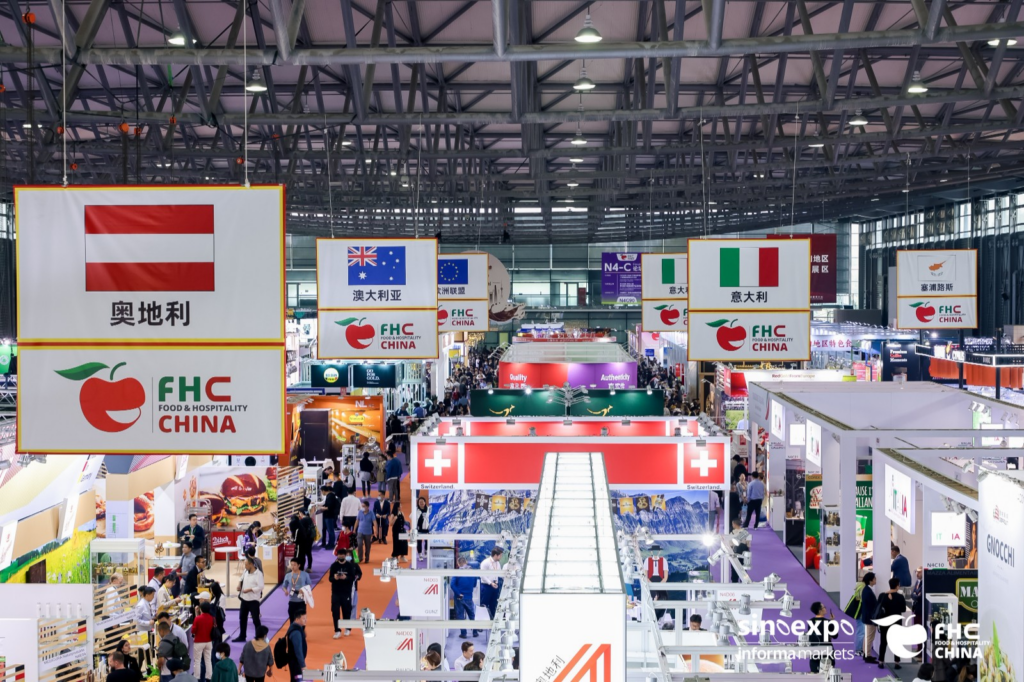
- International exhibitions: Participate in various international industry exhibitions, such as the Canton Fair (China Import and Export Fair) and the Hannover Messe in Germany. These exhibitions attract a large number of export trading companies and foreign buyers and are important venues for understanding the strength and business scope of export trading companies. At the exhibition, you can communicate face-to-face with the staff of export trading companies and view their displayed products and services.
- Recommendations from industry associations: Contact relevant domestic industry associations, such as the China Chamber of Commerce for Import and Export of Textiles and the China Chamber of Commerce for Import and Export of Machinery and Electronic Products. Industry associations have a good understanding of their member companies and can recommend suitable export trading companies according to your product type and target market. At the same time, industry associations also hold some industry exchange activities, providing you with opportunities to establish connections with export trading companies.
- Export experience and performance: Understand the establishment time of the export trading company, the number of years engaged in export business, and past export performance. View its customer distribution and market share in the target market and choose a company with rich experience and good performance to cooperate with.
- Cooperative factory resources: Learn about the domestic factories that the export trading company cooperates with, including the production capacity, product quality, and technical level of the factories. High-quality factory resources can ensure product quality and supply stability, which are key factors for the success of the export business.
Advantages
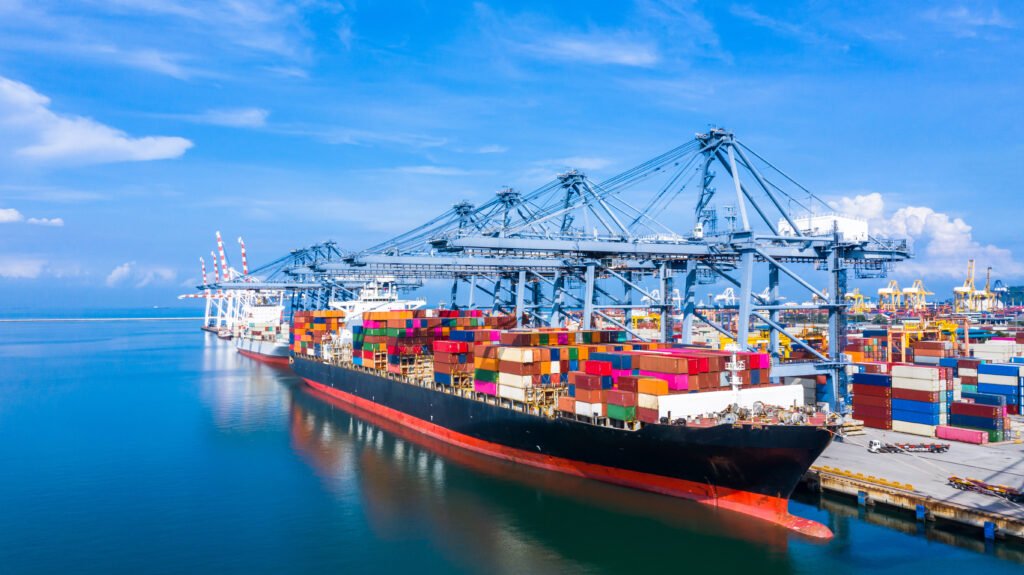
- Extensive Supply Chain Resources: It has established long-term and stable cooperative relationships with numerous producers and can obtain a rich variety of goods and sufficient sources of supply. For example, before the summer arrives, it can purchase various brands of beverages from major beverage producers in advance to meet the needs of retailers.
- Inventory Management Ability: It has a professional inventory management system and an experienced team and can reasonably control inventory levels. Through accurate prediction of market demand, it ensures that the supply of goods is neither out of stock nor overstocked, reducing inventory costs and improving the efficiency of capital use.
- Cost Advantage: Due to bulk purchasing of goods, it can obtain more favorable prices from producers. At the same time, by optimizing logistics and distribution and operation management, it reduces operating costs and thus sells goods to retailers at a more competitive price. For example, through long-term cooperation with logistics enterprises, it obtains lower logistics costs and passes on this cost advantage to retailers.
Search Methods
- On-site Inspection of Wholesale Markets: You can visit local large wholesale markets, such as Yiwu Small Commodity Wholesale Market, Guangzhou Baima Clothing Wholesale Market, etc. These markets gather numerous wholesale trading companies. You can directly visit in the market to understand the product types, prices, services, etc. of different companies. At the same time, you can also communicate face-to-face with wholesalers to establish preliminary cooperation intentions.
Online Wholesale Platforms: Utilize various online wholesale platforms, such as 1688.com and HC360.com. Search for relevant wholesale trading companies on the platform, view their store pages, including product displays, customer reviews, contact information, etc. Through the transaction guarantee mechanism of the platform, you can conduct transactions and cooperate more safely.
Selection Suggestions
- Supply Chain Stability: Examine the supplier resources and cooperation relationships of the wholesale trading company and understand whether its channels for obtaining goods are stable. Inquire about its solutions to sudden problems of suppliers (such as production accidents, raw material shortages, etc.) to ensure the supply of goods can be guaranteed under any circumstances.
- Inventory Management Level: Understand the company’s inventory management system and methods, and check its inventory turnover rate and out-of-stock rate and other indicators. You can request to visit the warehouse to directly understand the storage conditions and management of inventory. Choose a wholesale trading company with a high level of inventory management, which can better guarantee the timeliness and quality of product supply.
- Price and Service Competitiveness: Compare the product prices and service contents of different wholesale trading companies, including distribution services, after-sales services, etc. Not only should you pay attention to whether the price is favorable, but also consider the quality and efficiency of services. For example, some wholesale trading companies provide free distribution services, or can quickly handle returns and exchanges when there are quality problems with goods, which are all important factors for selection.
- Consumer Insight Ability: Through the collection and analysis of consumer purchase behavior, preferences and other data, it deeply understands consumer needs. It can accurately purchase goods and optimize the product mix according to consumer needs, improving consumer shopping satisfaction.
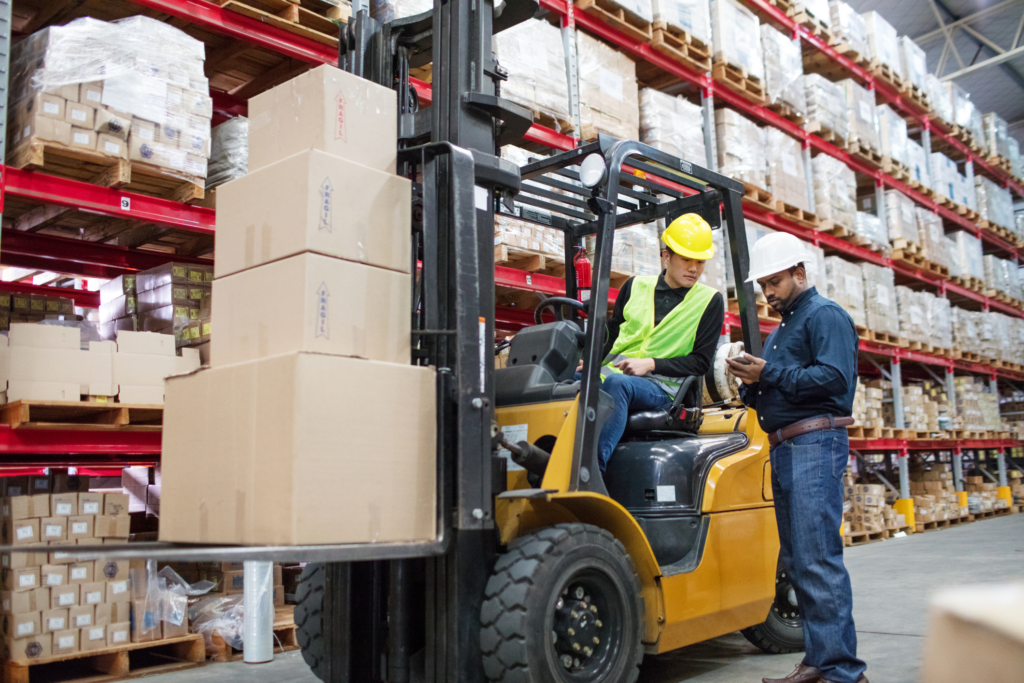
- Channel Convenience: Both online platforms and offline stores provide consumers with convenient shopping channels. Consumers can choose to shop online or in physical stores according to their own needs and habits. For example, Yonghui Supermarket opens stores in various regions of the city, facilitating nearby residents to shop nearby; JD.com allows consumers to shop anytime and anywhere through mobile applications.
- Brand Reputation and Word-of-Mouth: Give priority to companies with good brand reputation and high consumer evaluations to reduce cooperation risks.
- Product Variety and Quality: Examine whether the company’s product variety is rich and diverse and can meet your procurement needs. For the products sold, request to view relevant certification documents such as quality inspection reports and brand authorization letters to ensure the reliability of product quality.
- Service Experience: Experience the pre-sales, in-sales, and after-sales services of retail trading companies. For online platforms, you can feel the response speed of customer service and the order processing efficiency by consulting customer service and placing test orders; for offline stores, pay attention to the service attitude of in-store employees, the comfort of the shopping environment, and the convenience of after-sales services.
- Deep Cultivation in the Professional Field: They have in-depth understanding of product knowledge, technological development, and market trends in a specific industry and can provide customers with professional product consultations and solutions. In the electronic product trading, they can accurately grasp the latest technological trends and recommend electronic products with excellent performance and meeting market demands to customers. For example, when 5G technology emerged, they could promptly provide customers with 5G-related electronic products and technical support.
- High-Quality Supplier Resources: Through long-term focus on a specific field, they have accumulated rich high-quality supplier resources. They have established in-depth cooperative relationships with suppliers and can obtain high-quality products at competitive prices.
- Precise Market Positioning: They have a clear market positioning in the niche market and can accurately meet the needs of the target customer group. For electronic product trading, according to the different needs of customers, such as the bulk procurement needs of corporate customers for office electronic products and the personalized needs of individual consumers for high-end electronic products, they can provide customized services.
- Industry Exhibitions and Seminars: Participate in professional exhibitions and seminars in specific industries, such as the Consumer Electronics Show (CES), China Electronic Information Expo, etc. These events gather many enterprises and professionals in the industry and are important places to find vertical trading companies. At the exhibition, you can communicate with the representatives of relevant companies, understand their products and services, and establish business contacts.
- Industry Websites and Forums: Browse professional websites and forums in specific industries, such as ZOL for the electronics industry and EEWorld. These platforms will have product information, industry trends, and customer reviews released by vertical trading companies. By participating in forum discussions and interacting with industry insiders, you can obtain recommendations and information about high-quality vertical trading companies.
- Stability of Supplier Cooperation: Understand the company’s cooperation history and stability with suppliers and inquire about the reliability of its product acquisition channels. Request to provide information and cooperation agreements of major suppliers to evaluate the strength and reputation of suppliers. For example, check the cooperation years with electronic product manufacturers and whether there are long-term and stable cooperation contracts to ensure the stability and quality of product supply.
- Market Adaptability: Pay attention to the market adaptability of vertical trading companies, understand their strategies and measures to deal with industry fluctuations and technological changes. For example, inquire how the company adjusts its product strategy when the technology in the electronics industry is updated rapidly and whether it has plans to layout new technology products in advance to meet the challenges brought by market changes.
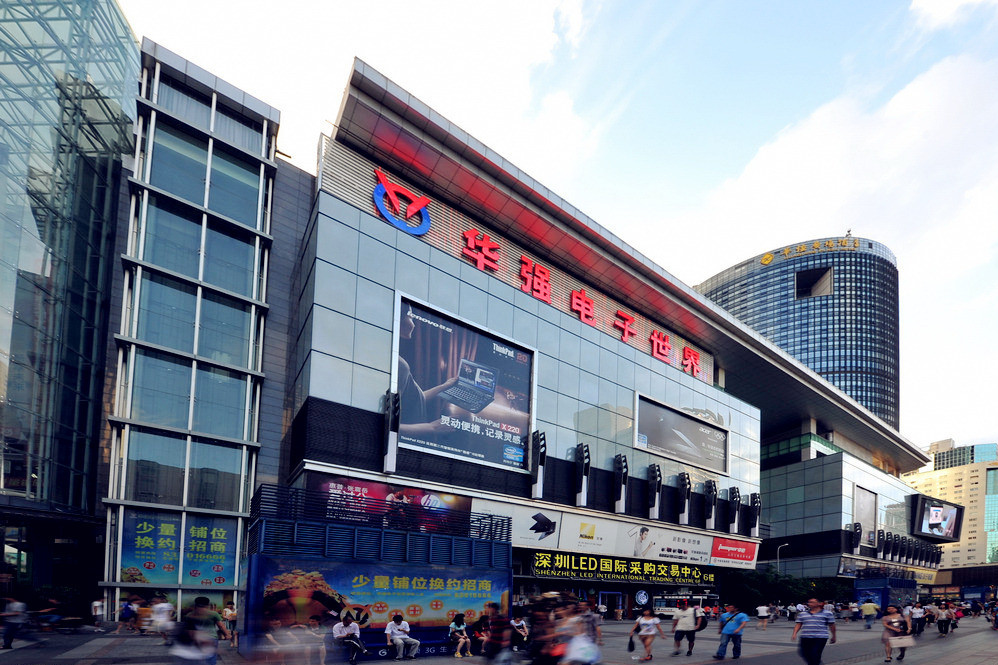
- Diversified Business: Their business covers multiple industries and fields, enabling them to provide customers with one-stop trading solutions. Customers can purchase a variety of different types of goods from one comprehensive trading company, eliminating the need to cooperate with multiple different trading companies separately, thus saving procurement time and costs. For instance, an enterprise that needs to purchase both chemical raw materials and import agricultural products can meet these two demands through Sinochem International.
- Powerful Resource Integration Ability: They possess extensive domestic and foreign supplier and customer resources and can optimize resource allocation globally. In the procurement process, they can select the products with the highest cost-performance ratio from numerous suppliers; in the sales process, they can accurately promote products to the target market and customer groups.
- Strong Risk Resistance: Due to business diversification, the businesses in different industries and fields are complementary during market fluctuations, reducing the impact of single-industry market fluctuations on the company’s overall business. When the market of a certain industry is sluggish, the businesses of other industries may remain stable or grow, thus ensuring the company’s overall profitability. For example, when the chemical industry market is the agricultural trade business may support the company’s performance due to the stable demand for agricultural products.
- Large Enterprise Directories: Consult domestic and foreign large enterprise directories, such as the Fortune Global 500 list and the China Enterprise 500 list. Many comprehensive trading companies are large in scale and will appear in these enterprise directories. Through the directories, basic information of the companies can be obtained, such as company size, business scope, contact information, etc., to further understand the company’s strength and business situation.
- Industry Media Reports: Pay attention to reports in industry media, such as financial media and trade industry magazines. These media will report on the business trends, market strategies, etc. of some large comprehensive trading companies. Through media reports, the latest development, industry status, and market evaluation of the company can be understood, providing a reference for choosing a cooperation partner.
- Comprehensive Strength Assessment: Examine the comprehensive strength of the comprehensive trading company, including company size, asset status, the breadth and depth of the business scope, etc. Review the company’s financial statements to understand its financial indicators such as profitability and asset-liability ratio. For example, choosing a comprehensive trading company with a large asset scale and good financial condition has more advantages in resource integration and risk-bearing.
- Industry Coverage and Professionalism: Understand the company’s business development in the industry fields you are concerned about and evaluate its professionalism. Although the professionalism of comprehensive trading companies is relatively weak, they may still have strong professional capabilities in some key business areas. You can judge its business level in the relevant industry by asking about the company’s customer cases and solutions in the industry.
- Cooperation Flexibility: Communicate with the comprehensive trading company to understand the flexibility of its cooperation methods. Due to business diversification, comprehensive trading companies may have a variety of cooperation models to choose from. For example, when purchasing goods, whether it can provide customized procurement plans according to customer needs, and whether it has certain flexibility in payment methods and delivery times to meet the personalized needs of different customers.