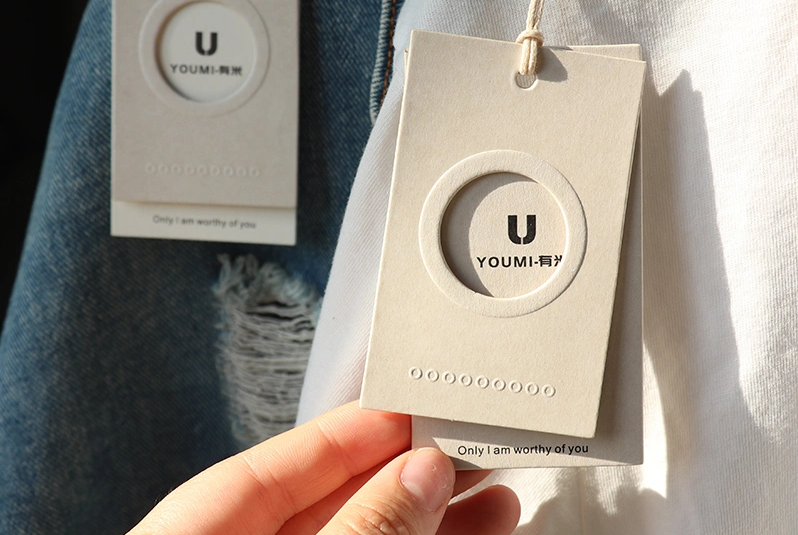
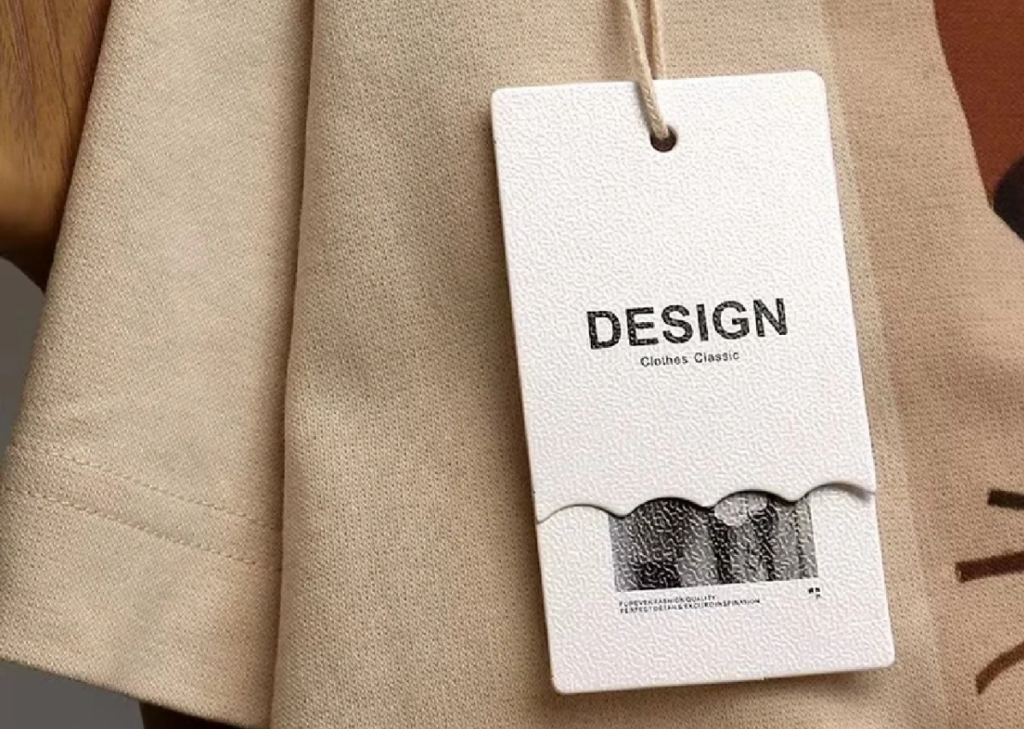
Brand labels are the direct display windows of brand images. They usually print the brand name, Logo, and unique design concepts, aiming to strengthen the brand’s impression in your mind.
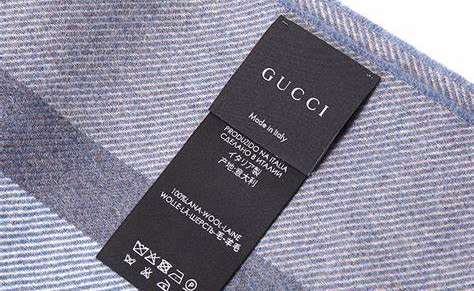
For example, when you see a label with the exquisitely embroidered word “GUCCI”, you can immediately recognize that it is a product of the Gucci brand without much thought.
In the high – end clothing field, woven or leather brand labels are very common. With their delicate textures and exquisite craftsmanship, they interpret the luxury and quality of the brand.
And sports brands, such as Nike, have simple and clear brand label designs, highlighting their iconic tick mark and functional logos, allowing you to feel the unique charm of the brand even during exercise.
Care labels are your intimate guides for clothing maintenance.
They clearly mark the washing, ironing, drying, and other care instructions for clothing, ensuring that the clothing can maintain a good state for a long time.
To meet the needs of consumers in different regions around the world, care labels usually combine international common symbols with text.
For clothing made of special materials, such as wool and silk, professional care suggestions will be given on the care labels.
Wool products usually need to be hand – washed at low temperatures and avoid direct sunlight to prevent shrinkage and deformation; silk clothing is more suitable for gentle hand – washing, using a neutral detergent, and should be air – dried in the shade to maintain its soft texture and bright color.
Composition labels clearly indicate the composition ratios of the fabric, lining, and accessories of the clothing.
In today’s era of pursuing health and environmental protection, this label is particularly important. For example, for a shirt labeled “80% cotton, 20% polyester fiber”, you can intuitively understand its material composition and judge whether its breathability and comfort meet your needs.
With the enhancement of environmental awareness, composition labels such as “organic cotton” and “recycled fiber” have become important references for many consumers when choosing clothing.
Clothing made of these environmentally friendly materials is not only more friendly to your skin but also more beneficial to the environment.
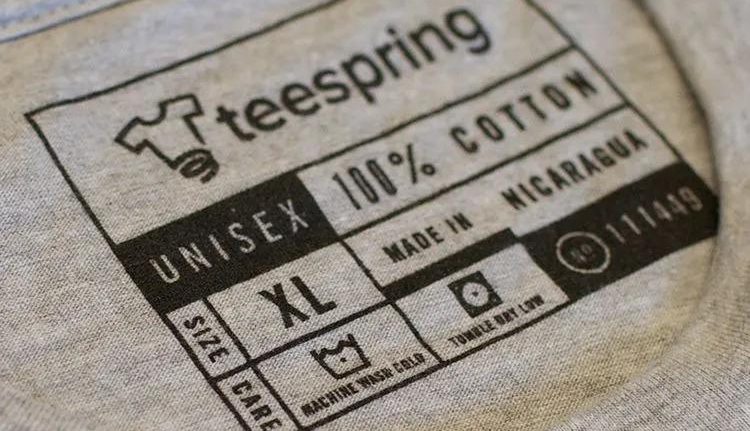
Size labels help you quickly find the right clothing size for you. Whether it is the common S/M/L size marking or the specific size values, they can make you more comfortable when choosing and purchasing clothing.
In the booming cross – border e – commerce, different countries have different size standards. For example, the size system in the United States is different from that in Europe and Asia.
Therefore, for brands engaged in cross – border sales, providing labels that are compatible with the size standards of different countries is the key to meeting your shopping needs.
5.Country – of – Origin Labels:
Country – of – origin labels indicate the “birthplace” of the clothing and meet the requirements of international trade regulations. Some brands also use the place of origin as an endorsement of quality.
For example, “Made in Italy” often reminds people of exquisite craftsmanship and high –
quality fabrics. Italy has a long – standing fashion industry, and the clothing it produces enjoys a high reputation worldwide. When you see a piece of clothing labeled “Made in Italy”, you may have more trust in its quality.