1.Importance of Certification:
The first and foremost indicator of a high –
quality supplier is an effective quality management system.
A well – established quality management system, such as ISO 9001 certification, is like a gold standard in the industry. It’s not just a piece of paper; it represents a supplier’s unwavering commitment to quality.
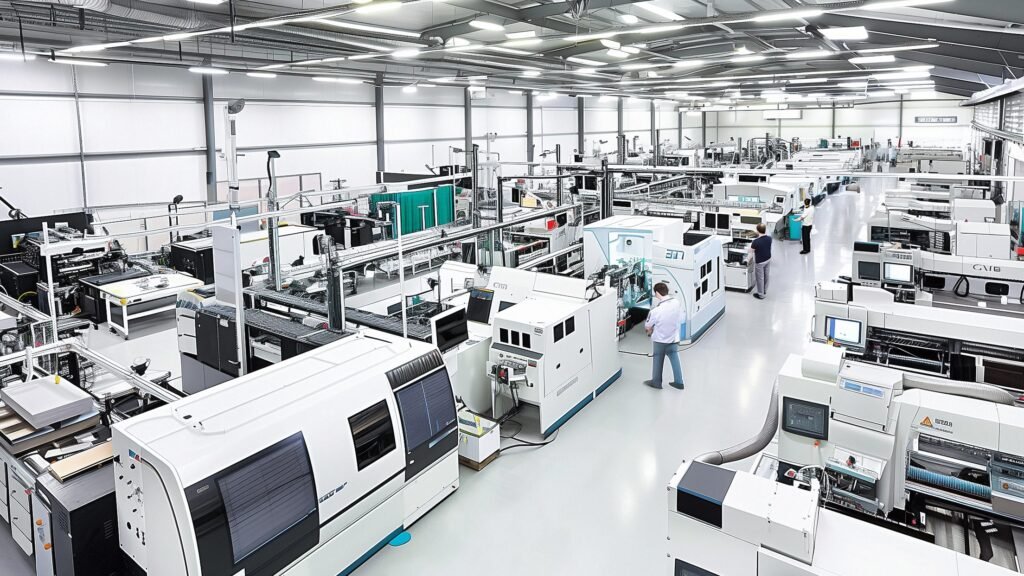
This certification ensures that every step of the production process, from the careful selection of raw materials to the meticulous final product delivery, adheres to strict international standards.
For example, in the highly competitive smartphone accessory market, a supplier with ISO 9001 certification will be more likely to use high – grade materials, follow precise manufacturing procedures, and conduct thorough quality checks at every stage.
This results in products that are not only more reliable but also safer for end – users.
Take Supplier A, a leading electronics manufacturer in Shenzhen, as an example. They hold ISO 9001:2015 certification. A recent in – depth study of 50 electronics suppliers in the region revealed that Supplier A had a defect rate of only 0.5% in their exported products.
In contrast, non – ISO – certified suppliers had an average defect rate of 2%. This seemingly small difference in defect rates can have a huge impact on a business.
For a company that imports thousands of these electronic products, a lower defect rate means fewer products to return, less time spent on rework, and ultimately, more satisfied customers.
It also significantly enhances the reputation of the products in the international market. Imagine a consumer electronics store that has been stocking products from Supplier A.
Their customers are consistently impressed with the quality, and word – of – mouth spreads, attracting more customers to the store. This positive cycle benefits both the importer and the end – retailer.
3.Components of the System:
A quality management system is a comprehensive framework that encompasses much more than just certification. Regular internal audits are like the regular health check – ups for a company.
They help identify any potential issues in the production process, such as inefficiencies in the assembly line or improper handling of raw materials. Employee training on quality control is also crucial.
When employees are well – trained, they are more likely to notice and correct small issues before they turn into big problems.
For instance, a trained worker in a garment factory will be able to spot a minor stitching defect immediately and fix it, rather than letting it pass through to the next stage of production.
Continuous improvement initiatives, such as Six Sigma or Lean Manufacturing, are also often part of a quality management system. These initiatives encourage companies to constantly seek ways to improve their processes, reduce waste, and enhance product quality.
When evaluating a supplier, it’s essential to ask for their quality manuals, which detail their overall quality strategy. Inspection reports can show you the actual results of their quality checks, and details of their corrective and preventive action plans will give you an idea of how they respond to and prevent quality issues.