

In the booming global economy, China, as a leading manufacturing powerhouse, attracts numerous overseas buyers with its rich product portfolio, cost – effective goods, and well – developed supply chain. If you’re a new importer looking to source from China, this guide will walk you through seven crucial steps to start your procurement journey smoothly.
1. Research the Target Market:
- Consumer Preference Research: Use surveys and social media data to understand local consumers’ product preferences. In the fashion industry, for example, Western consumers often prefer simple, casual styles, while Asian consumers may lean towards more elaborate designs. Analyzing e – commerce search trends can also offer insights. For instance, in the US, there’s a growing demand for smart home devices with voice – control features.
- Consumer Spending Power Assessment: Examine local income levels and price indices to set the right price range for your products. In emerging economies like India, the rising middle class has a strong appetite for mid – priced consumer electronics. Understanding such market segments helps you better position your offerings.
2.Import Product Selection:
- Product – Feature Analysis: Thoroughly assess the features of potential import products. For example, if you’re considering importing smartphones, look at aspects like the processing power of the chipset, the quality of the camera, and the battery life. Compare different models to determine which features are in high demand in your target market. A long – lasting battery might be a top priority for consumers who are always on – the – go.
- Market – Gap Identification: Scrutinize the existing market in your region. Look for products that are either not available or are undersupplied. In some regions, there could be a lack of eco – friendly household cleaning products. By importing such items from China, where there’s significant innovation in this area, you can tap into an untapped market segment.
- Competitive – Advantage Evaluation: Analyze the competitive landscape of the products you’re interested in. Determine what makes a particular Chinese – made product stand out from local or other imported alternatives. It could be a unique design, advanced technology, or a more cost – effective production process. For example, Chinese – made electric scooters often come with innovative folding mechanisms and high – performance motors, giving them an edge over competitors.

1.Utilize Online Platforms:
- B2B Platform Screening: On platforms like Alibaba.com and Global Sources, use search functions to find products. Compare suppliers’ product details, prices, transaction records, and customer reviews to shortlist potential partners. Some platforms offer advanced filters, like by production capacity, to speed up the selection process.
- Industry Forum Participation: Join online industry forums to exchange experiences with peers. You may discover new product trends or reliable suppliers. In a smartphone accessories forum, for example, you could learn about innovative Chinese – made charging solutions.
2.Participate in Exhibitions:
- Attention to Domestic Exhibitions: Events like the Canton Fair and the China International Import Expo are great for connecting with suppliers. Plan your visit in advance, target specific product areas, and gather first – hand information. If you’re interested in textiles, you can visit relevant halls and compare offerings from different suppliers.
- Analysis of International Exhibitions: Keep an eye on international shows related to your products. At the Consumer Electronics Show (CES), you can see the latest global trends and compare Chinese products with those from other countries.
3.Study Professional Reports:
- Acquisition of Authoritative Institution Reports: Purchase reports from well – known research firms like iResearch and Gartner. These reports offer insights into market size, growth trends, and competition. A report on the global sports equipment market, for example, might highlight emerging trends in China.
- Interpretation and Application of Report Data: Analyze the data to identify market gaps and opportunities. If a report shows a rising demand for eco – friendly products, explore partnerships with Chinese suppliers in this area.
1.Reputation Evaluation:
- Platform Record Review: Check suppliers’ transaction histories on B2B platforms, including deal numbers and any disputes. Platforms with detailed credit rating systems can help you assess reliability.
- Third – Party Certification Inquiry: Look for international certifications like ISO 9001 for quality management or ISO 14001 for environmental commitment. These certifications reflect a supplier’s management standards.
2.Production Capacity Inspection:
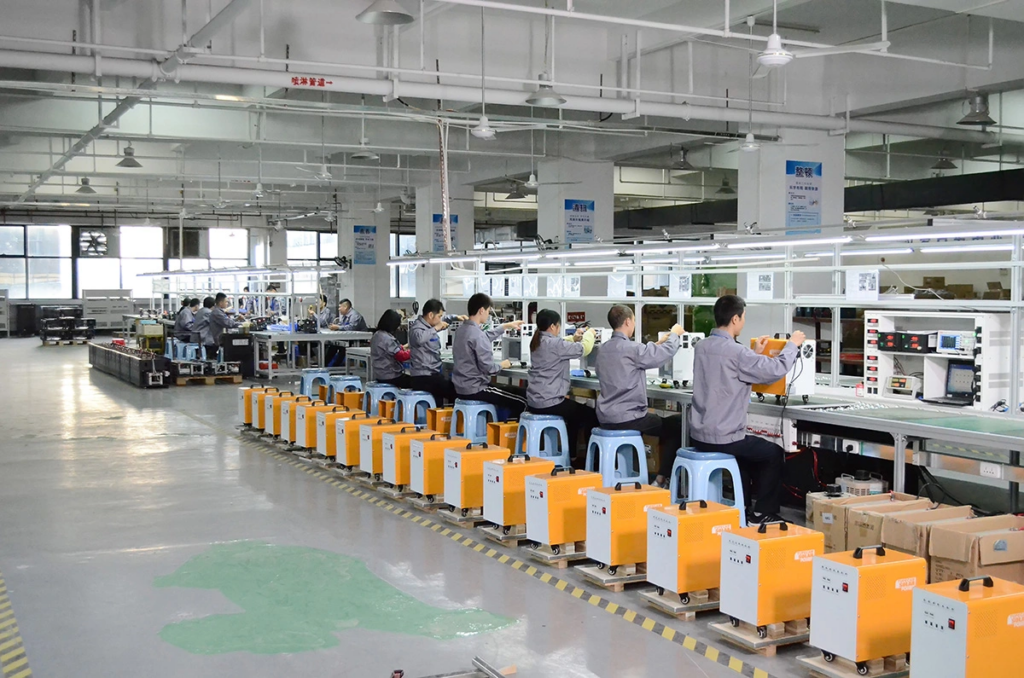
- On – site Factory Visit (if possible): Visiting a factory allows you to assess production equipment, process efficiency, and worker skills. Automated production lines usually mean higher efficiency and more consistent quality.
- Production Capacity Data Verification: Request production capacity data from suppliers and compare it with your needs and industry standards. If you plan to import a large quantity of toys, ensure the supplier can meet your demand during peak seasons.
3.Product Quality Control:
- Sample Testing: Request samples and have them tested by a professional lab for physical properties, chemical composition, and safety. When importing food, testing should cover safety, nutrition, and shelf – life.
- Quality Certification Review: Check for product – specific certifications, such as CE for the EU market or FCC for the US market. In some industries, like medical devices, specialized certifications are crucial for market access.
4.After – sales Service Consideration:
- Inquiry about After – sales Policies: Understand the supplier’s return, repair, and technical support policies. Some suppliers offer on – site support within 48 hours, which is a big plus for complex products.
- Collection of Customer Feedback: Ask the supplier for references and contact their previous customers to get an unbiased view of their after – sales service.
1.Preparation before Negotiation:
- Price Research: Research the market to understand the reasonable price range. Analyze the product’s cost structure, including raw materials, labor, and overheads, to determine a price floor.
- Understanding the Supplier’s Bottom Line: Try to gauge the supplier’s price and negotiation limits through indirect inquiries or cost analysis. If a raw material is in short supply, expect less price flexibility.
- Sorting out Your Own Advantages: Highlight your strengths, such as large order volumes, prompt payment, or long – term cooperation potential, to gain an edge in negotiations.
2.Negotiation Key Points:
- Price Negotiation: Bargain within a reasonable range and propose volume or long – term cooperation discounts. For example, a 5% discount for orders over 10,000 units.
- Determination of Delivery Time: Set a clear delivery date and penalty for delays, like a 1% price reduction per day of delay.
- Payment Method Negotiation: Discuss flexible payment terms, such as letters of credit, installments, or adjusted advance payments. For high – value orders, you could negotiate a 30 – 30 – 40 payment split.
- Refinement of Quality Assurance and After – sales Service Clauses: Require a detailed quality assurance agreement, specifying response times and solutions for after – sales issues.

1.Contract Content Formulation:
- Clear Product Information: Detail product specifications, models, quantities, and quality standards to avoid misunderstandings. When importing electronics, specify model numbers, technical parameters, and tolerance ranges.
- Refinement of Price Terms: Clarify unit and total prices, currency, and cost inclusions. If it’s FOB, state the buyer’s responsibility for post – shipment costs.
- Clear Delivery Terms: Define delivery time, place, transportation method, and cost – bearing party. For air freight, specify airports and handling fee responsibilities.
- Rigorous Payment Terms: Set payment time nodes, methods, and amounts. For letters of credit, state the issuing bank, expiry date, and required documents.
- Determination of Liability for Breach of Contract and Dispute Resolution Methods: Outline breach liability, compensation, and dispute resolution channels. Choose a reputable arbitration institution like the ICC for fair resolution.
2.Contract Review:
- Internal Review: Have your legal, finance, and procurement teams review the contract from different angles. The legal team checks for loopholes, and finance analyzes payment terms.
- External Legal Counsel Consultation: Hire a legal expert to ensure the contract complies with laws and to account for any differences between your country’s and China’s contract laws.

1.Selection of Transportation Modes:
- Maritime Transportation: Ideal for large – volume, heavy – weight goods. Choose a shipping company and route based on port locations, schedules, and transit times. When importing construction machinery from Shanghai to Rotterdam, select a company experienced in heavy – lift cargo.
- Air Transportation: Suitable for urgent, high – value, or small – quantity items. Compare airline prices, services, and transit times. Some airlines offer special handling for high – value goods.
- Land Transportation: Convenient for goods destined for countries bordering China. Select a land carrier with cross – border experience and knowledge of border customs procedures.
2.Purchase of Transportation Insurance:
- Understanding of Insurance Clauses: Familiarize yourself with insurance coverage, deductibles, and compensation limits. Some policies cover basic risks, while others offer more comprehensive protection.
- Determination of Insurance Amount: Insure goods for their full value, including additional costs like duties and shipping fees, especially for high – value items.
3.Customs Clearance Preparation:
- Research on Customs Clearance Requirements: Learn about your destination country’s customs policies, tariffs, license requirements, and product certifications. Some agricultural imports may need a phytosanitary certificate.
- Preparation of Customs Clearance Documents: Gather all necessary documents, such as invoices, packing lists, bills of lading, and certificates of origin, and ensure their accuracy.

1.Regular Communication:
- Business Communication: Set up a regular communication schedule, like monthly video calls or quarterly meetings, to discuss business plans, production schedules, and potential issues. Share not only the current order – related matters but also future business expansion plans. For example, if you’re planning to open new stores in different regions, discuss with the supplier how they can support the increased demand.
- Market Feedback Exchange: Share market and consumer feedback with the supplier to help them improve products. If customers complain about packaging, work together to find a solution. Also, provide positive feedback when the products perform well in the market, which can encourage the supplier to maintain high – quality production.
2.Cooperative Integrity:
- Comply with Contract Agreements: Pay on time, inspect goods thoroughly, and report any issues promptly to build a good reputation. Document all transactions and communication related to the contract for easy reference in case of any disputes in the future.
- Fair Trade: Negotiate price adjustments fairly, considering both the supplier’s costs and your market situation. If there are fluctuations in raw material prices or exchange rates, have an open – ended discussion with the supplier to find a mutually beneficial solution.

Conclusion
In addition to the above – mentioned points, you can also explore joint – marketing opportunities with your long – term suppliers.
For example, co – create promotional campaigns that highlight the unique features of the products and the reliability of the supply chain. This can not only enhance brand awareness but also strengthen the bond between you and the supplier.
We hope these seven steps will support your China – sourcing journey. In 2025, we wish you great success in your procurement business. If you have any questions or cooperation intentions, feel free to contact us. Let’s create a bright future together!
