
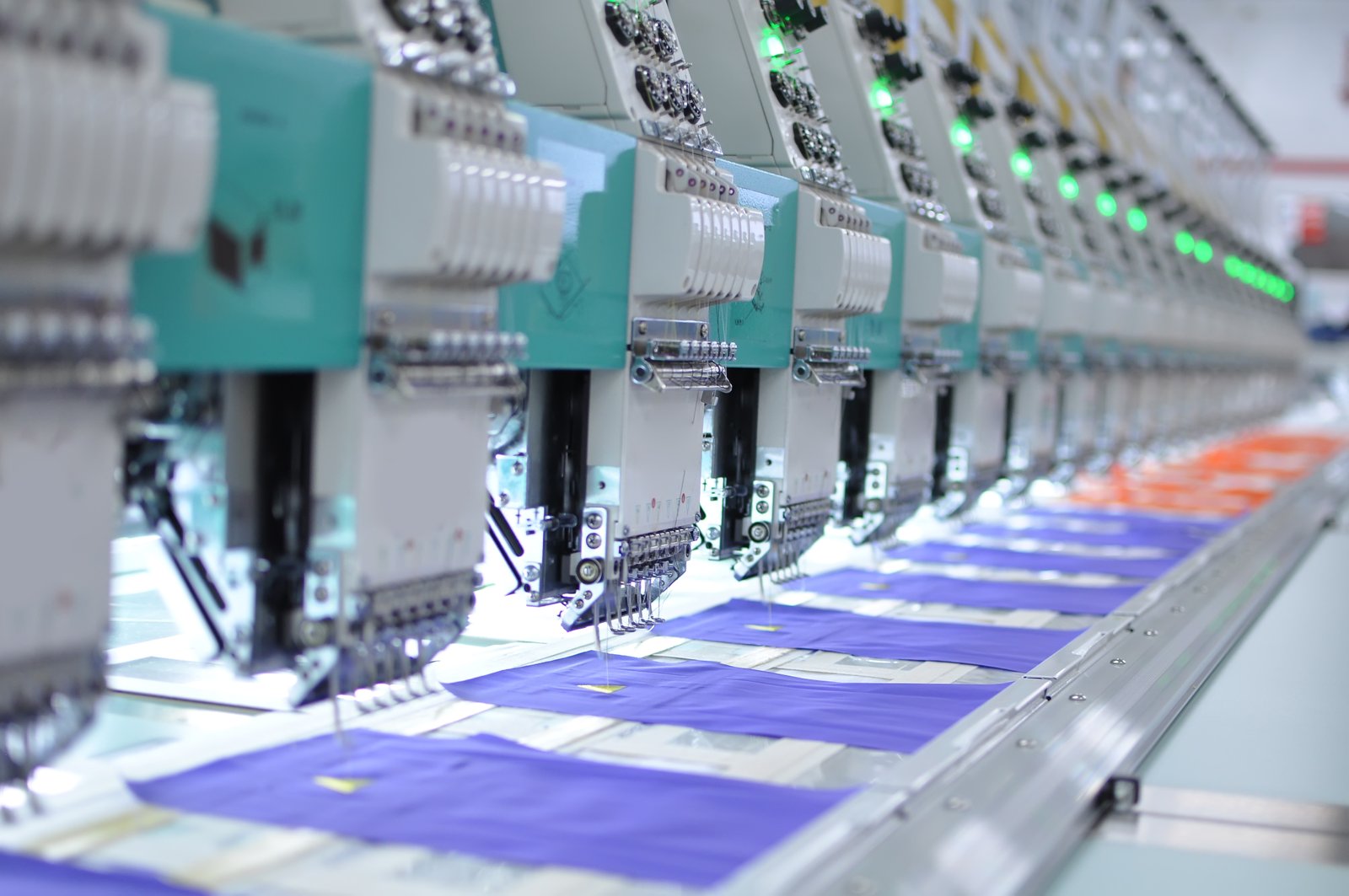
When customizing clothing or textile printing, you may find yourself torn between DTG (Direct to Garment) printing and screen printing. Each of these printing technologies has its own advantages and cost characteristics, and the choice depends on your specific needs. This article will provide a detailed analysis of the cost differences, technical details, and market trends of these two technologies to help you make an informed decision.
1. What is DTG:
- Pre-treatment of garments: Spraying pre-treatment liquid to enhance ink adhesion. The pre-treatment liquid helps the ink adhere better to the fabric surface, especially for dark-colored or special materials, which is a crucial step.
- Importing the design digitally: The design is imported into the printer in digital form and printed with a single click. One of the major advantages of DTG technology is its high degree of digitization and automation. Designs can be imported directly from computer software without the need for complex plate-making processes.
- High-temperature fixation after printing: The printed design is fixed using a heat press to ensure that the ink adheres firmly to the fabric, enhancing the durability and washability of the print.
2. Cost Structure of DTG:
- Equipment cost: DTG printers are relatively expensive, typically ranging from tens of thousands to hundreds of thousands of dollar.This is a one-time investment, but the unit cost decreases as production volume increases. In recent years, with the popularization of the technology, the price of DTG equipment has decreased, but it remains higher than traditional screen printing equipment.
- Ink cost: DTG uses specialized water-based inks, which are more expensive but used in smaller quantities. Complex full-color designs will increase ink costs. Although water-based inks are environmentally friendly, their composition and manufacturing processes make them relatively expensive.
- Pre-treatment cost: The use of pre-treatment liquid and manual operations adds extra costs. Pre-treatment is an essential part of DTG technology, especially for dark or special fabrics, and the cost of pre-treatment liquid and the steps involved can increase production costs.
- Maintenance cost: The printer requires regular maintenance, including cleaning the nozzles and replacing consumables. The nozzles of DTG printers are one of the core components and need to be cleaned and maintained regularly to prevent clogging and damage.
3. Advantages of DTG:
- Low cost for small-batch production: No plate-making required, suitable for small-batch orders (e.g., 1-50 pieces), with lower unit costs. The biggest advantage of DTG technology is its plate-free process, which makes it highly cost-effective for small-batch production.
- High pattern complexity: Full-color, gradient, and complex designs can be easily printed. DTG technology can easily achieve complex full-color designs and gradient effects, which are difficult to achieve with traditional screen printing.
- Environmentally friendly: Water-based inks are used, which are environmentally friendly. With the increasing awareness of environmental protection, the eco-friendly advantages of DTG technology are becoming more favored in the market.
4. Limitations of DTG:
- Higher cost per piece: The equipment and ink costs are high, making the cost per piece relatively higher. Although DTG is advantageous for small-batch production, its equipment and ink costs mean that the cost per piece remains higher than screen printing.
- Slow production speed: Not suitable for large-batch production. DTG printers have a relatively slow printing speed, making it difficult to meet the needs of large-batch production.
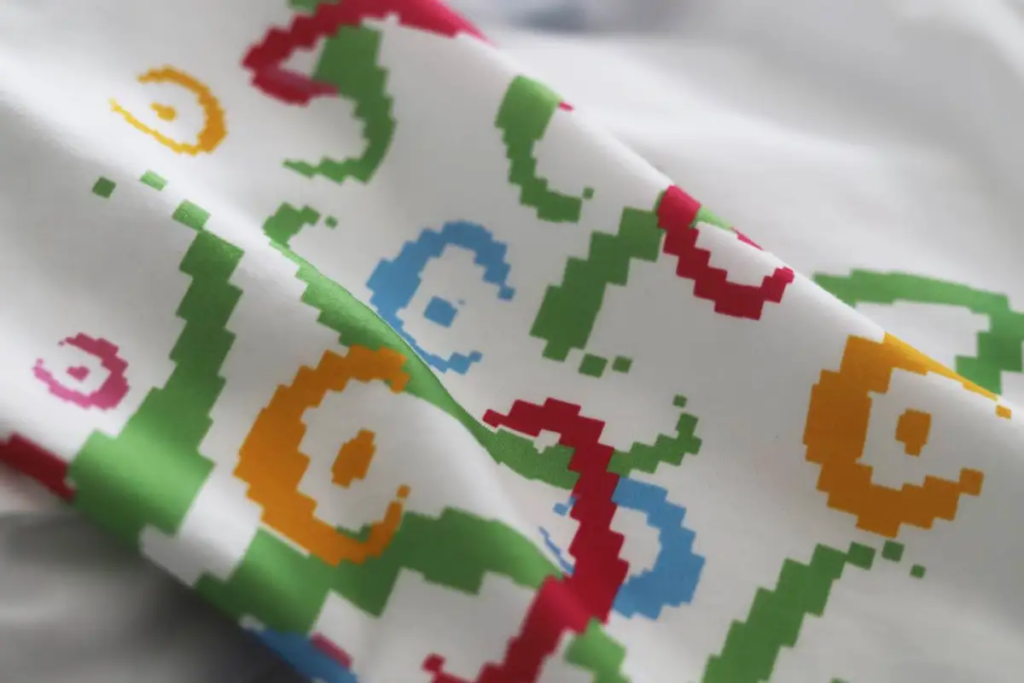
1. What is Screen Printing?
2. Cost Structure of Screen Printing
- Plate-making cost: Screen printing requires a screen mesh to be made for each color, which is relatively expensive. For example, the cost of a single-color screen mesh for a 4-opening design is approximately 80-100 yuan. Plate-making is an essential part of screen printing, and the cost increases significantly with the number of colors.
- Ink cost: The oil-based or water-based inks used in screen printing are relatively inexpensive, but they are used in larger quantities. Although the ink itself is cheaper, the overall cost is significant due to the larger amount used.
- Labor cost: Skilled operators are required for printing, which increases labor costs. The process of screen printing is relatively complex and requires experienced workers, leading to higher labor costs.
- Equipment cost: Screen printing equipment is relatively inexpensive but requires a larger production space. The cost of screen printing equipment is lower, but it needs more space to accommodate the equipment and operators.
3. Advantages of Screen Printing
- Low cost for large-batch production: For large-batch orders (e.g., over 100 pieces), the unit cost is lower. Screen printing has a significant cost advantage in large-batch production, with unit costs decreasing significantly as production volume increases.
- Vivid colors: The thicker ink layer produces vibrant colors, making it suitable for large single-color designs. The thick ink layer in screen printing results in vivid colors, which is a major advantage in traditional printing, especially for large single-color designs.
- Durability: The printed designs are wear-resistant and washable, making them suitable for long-term use. Screen-printed designs are durable and can withstand wear and washing, making them ideal for products with high durability requirements.
4.Limitations of Screen Printing:
- Long plate-making time: Making screen meshes takes time, making it unsuitable for rush orders. The plate-making process is complex and time-consuming, which makes screen printing unsuitable for urgent orders.
- Not suitable for complex designs: The cost of plate-making and printing for multi-color designs is high. Screen printing is not cost-effective for complex designs, as the plate-making and printing processes for multi-color designs are complex and expensive.
- Environmental impact: The use of oil-based inks has some environmental impact. With increasing environmental awareness, the use of oil-based inks is becoming more restricted.
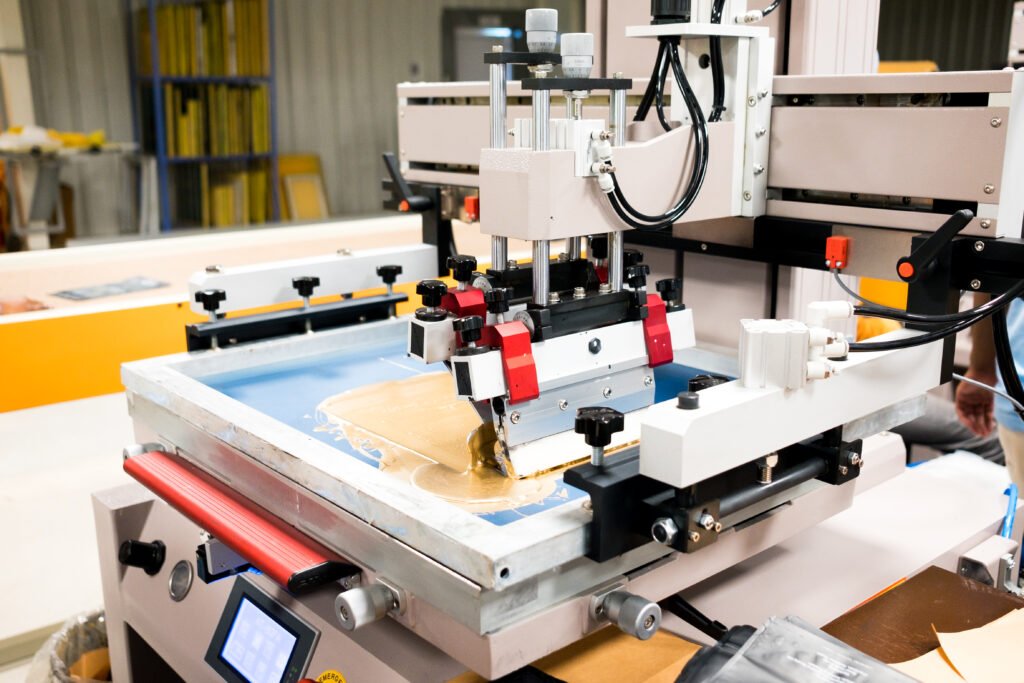
1. Small-batch production:
2.Large-batch production:
3. Pattern complexity:
4. Environmental concerns:
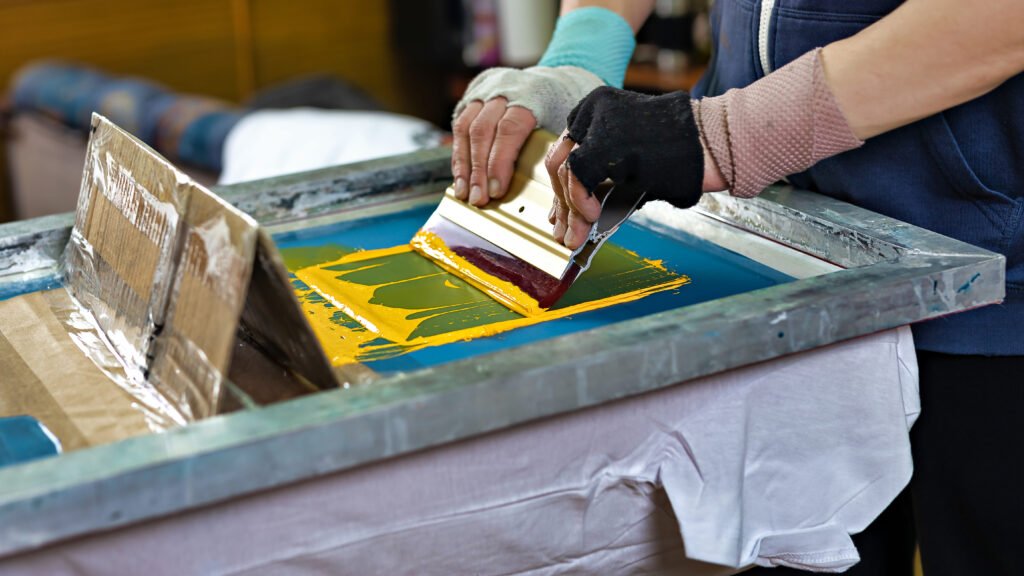
1. Market Trends of DTG:
2. Market Trends of Screen Printing:
3. Technical Details Comparison:
- DTG: Simple operation, suitable for small-batch production, but with higher equipment and ink costs. The operation process of DTG technology is relatively simple and suitable for small-batch production, but it requires technical maintenance due to the higher costs of equipment and ink.
- Screen Printing: Complex operation, suitable for large-batch production, but with higher plate-making and labor costs. The operation process of screen printing is relatively complex and requires skilled operators and a larger production space, but it has a significant cost advantage in large-batch production.
- Small-batch, complex designs: Choose DTG. DTG technology does not require plate-making, is suitable for complex full-color designs, and has a faster production speed, enabling a quick response to market demands.
- Large-batch, single-color designs: Choose screen printing. Screen printing has a significant cost advantage in large-batch production, making it suitable for large single-color designs.
- Environmental concerns: Prioritize DTG. DTG uses water-based inks, which are environmentally friendly and in line with environmental trends.
