
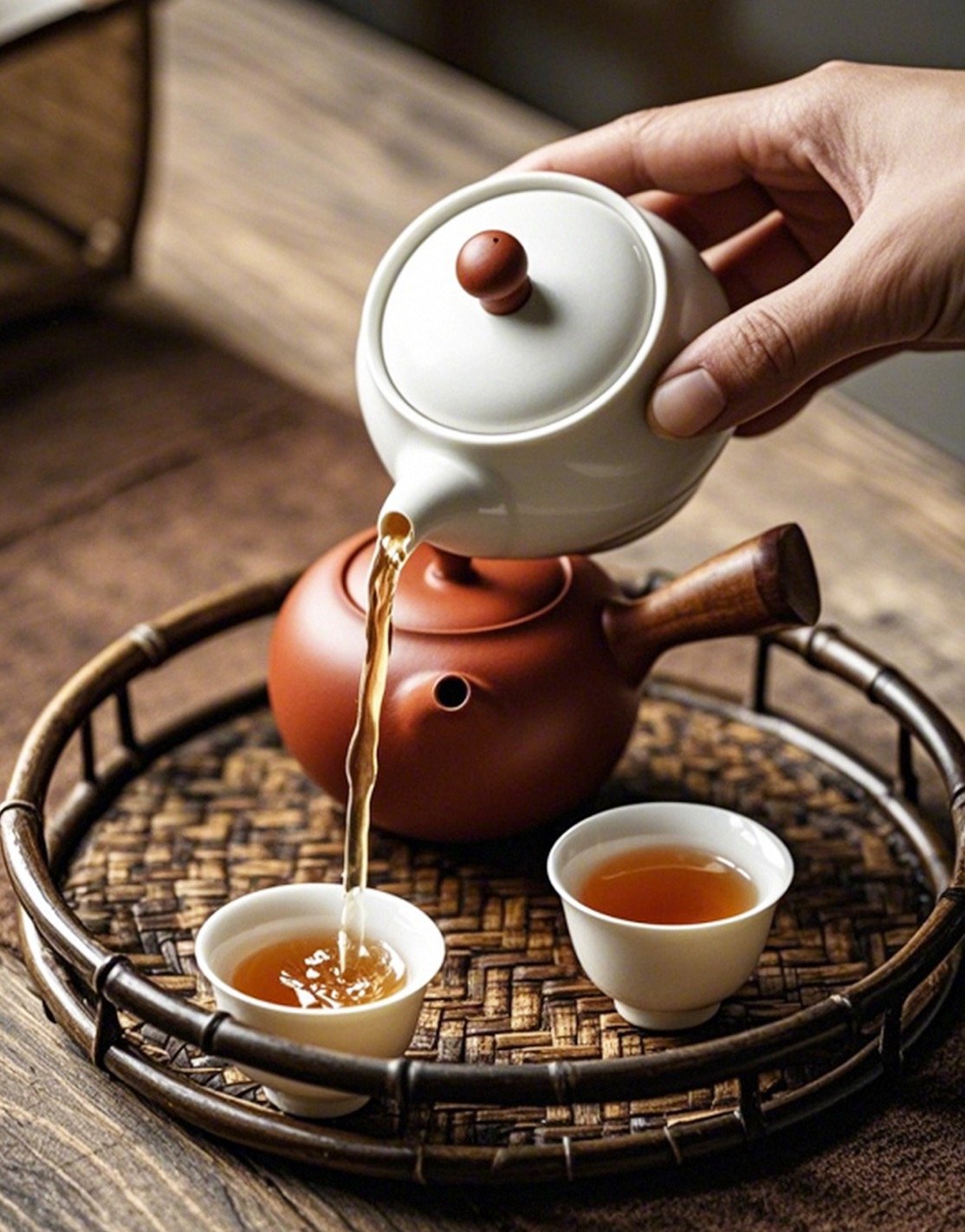
In today’s globalized market, China is renowned for its rich and diverse handicrafts.
From exquisite porcelain to intricate embroidery, each piece is a perfect blend of art and craftsmanship. However, for entrepreneurs looking to wholesale these handicrafts, finding the most cost-effective products without compromising quality is always a challenge.
In this blog post, I will introduce you to how to efficiently purchase Chinese handicrafts, ensuring you get high-quality products while maintaining cost-effectiveness.
China is home to numerous handicraft centers, each with its unique crafts and characteristics. For example:
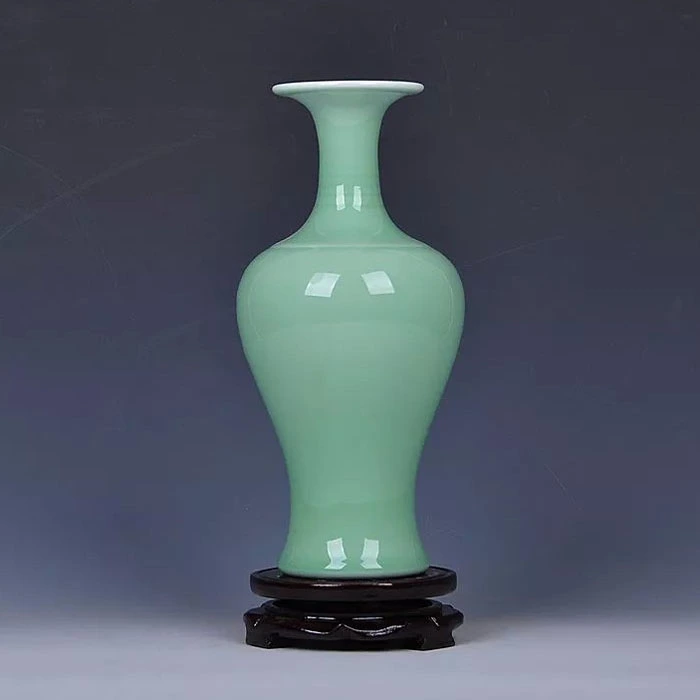
- Jingdezhen: Known as the “Porcelain Capital,” it is famous for its exquisite porcelain. The porcelain from Jingdezhen is renowned for its exquisite craftsmanship and unique glaze colors, making it one of the representatives of Chinese porcelain.
- Suzhou: It is famous for its delicate embroidery and silk products. Suzhou embroidery is known for its fine stitching and rich colors, making it a treasure of traditional Chinese embroidery art.
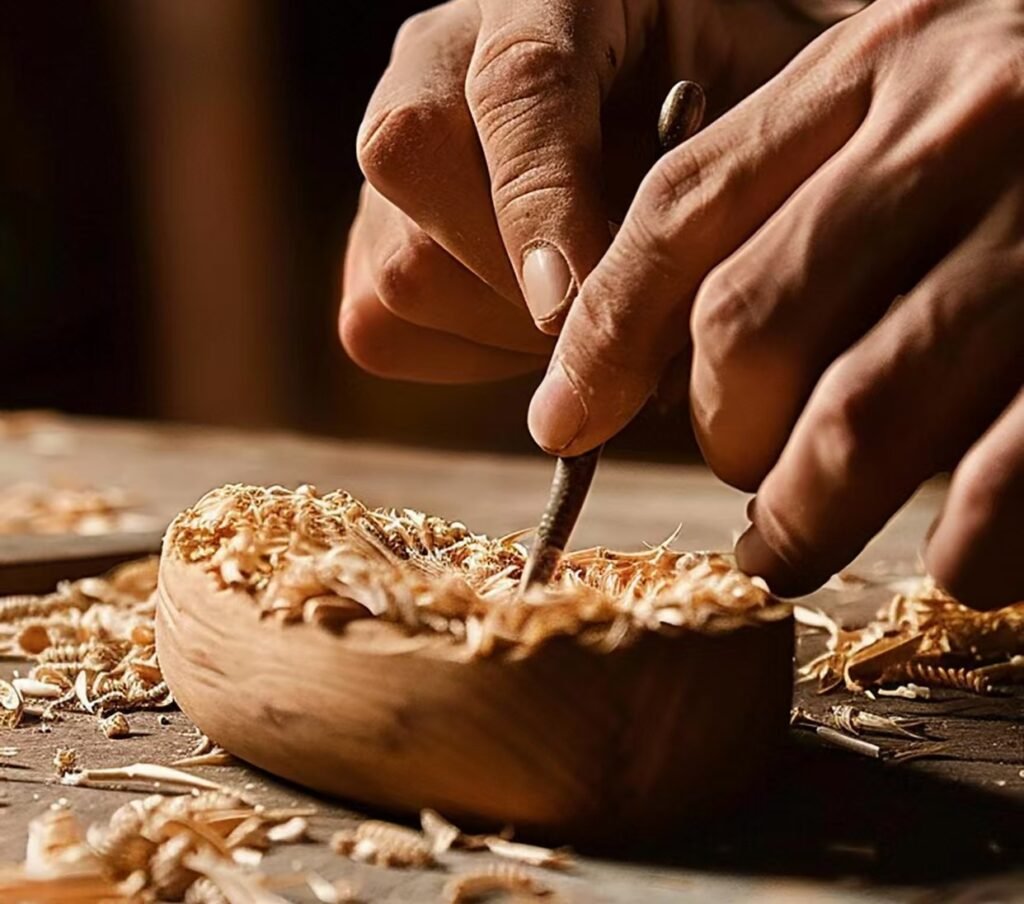
- Chaozhou: It is famous for its wood carving and ceramics. Chaozhou wood carving is known for its exquisite carving skills and rich themes, making it an important school of Chinese wood carving art.
- Beijing: It is famous for its cloisonné and jade articles. Beijing’s cloisonné is known for its unique craftsmanship and exquisite patterns, making it a representative of traditional Chinese craftsmanship.
Understanding these regions and their specialties can help you determine the types of handicrafts you want to purchase.
Additionally, understanding the production volume and main export products of each region can provide you with valuable information about prices and availability.
Finding the right supplier is key to successful wholesaling. Here are some effective ways to do so:
1. Online B2B Platforms:
Websites like Alibaba and Global Sources are valuable resources for finding Chinese suppliers.
These platforms allow you to filter suppliers by product category, region, and certification. Through these platforms, you can easily find a large number of potential suppliers and obtain detailed product information and supplier qualifications.
2. Trade Shows:
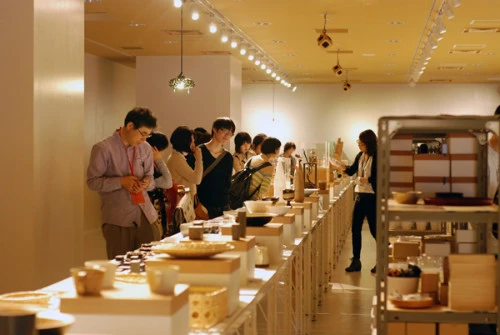
Attending trade shows such as the Canton Fair (China Import and Export Fair) allows you to communicate face-to-face with suppliers, view samples, and establish long-term cooperative relationships.
The Canton Fair is one of China’s largest international trade fairs, attracting a large number of domestic and international buyers and suppliers, making it an excellent opportunity to find high-quality suppliers.
3. Industry Associations:
Joining industry associations related to the handicrafts you are interested in can provide valuable networking opportunities and verified supplier recommendations. Industry associations usually organize various activities and trainings to help member enterprises enhance their business capabilities and market competitiveness.
After finding potential suppliers, it is crucial to evaluate the cost-effectiveness of their products. Here are some factors to consider:
- Price: Obtain multiple quotes to compare prices. However, remember that the lowest price does not necessarily mean the best deal. You need to consider a combination of price, quality, service, and other factors to choose the supplier that best meets your needs.
- Quality: Request to view product samples or check detailed pictures and descriptions in online product catalogs. High-quality handicrafts usually have fine craftsmanship, high-quality materials, and unique designs.
- Certifications and Standards: Ensure that suppliers comply with international quality standards, such as ISO certification. These certifications can guarantee the quality and safety of the products, reducing the risk of returns and complaints.
- Customer Reviews: Check feedback and reviews from other buyers to understand the reliability and product quality of the supplier. Through customer reviews, you can learn about the supplier’s service level and the stability of product quality.
Based on a case I handled previously, a buyer compared three suppliers and chose the one with slightly higher prices but better quality. As a result, they achieved higher customer satisfaction and a lower return rate, proving that the higher initial cost was worth it.
Effective negotiation with suppliers can help you get better prices and more flexible terms. Here are some detailed strategies:
Generally, the larger the order quantity, the lower the price you can negotiate. By purchasing in bulk, you can reduce unit costs and increase profit margins. Here are some specific methods:
- Determine the Scale of Bulk Purchasing: Before negotiating with suppliers, you need to clarify the quantity you plan to purchase. This not only helps you calculate cost-effectiveness but also demonstrates your purchasing intention and scale to the supplier.
- Long-Term Order Plan: If you expect to have continuous purchasing needs in the future, you can sign a long-term order contract with the supplier. This way, the supplier can arrange production in advance, ensuring the stability of supply, and you can also get more favorable prices.
- Staged Delivery: For large-scale purchases, you can negotiate staged delivery. This can reduce your inventory pressure and also ensure that the supplier can complete the order on time.
Committing to long-term purchases can help you get better prices and more stable supplies. Long-term contracts can enhance the supplier’s trust in you, thereby providing more favorable prices and better services.
Negotiate more favorable payment terms, such as longer payment periods or prepayment discounts. Reasonable payment terms can alleviate your financial pressure and improve the efficiency of fund use.

Ensuring that products are transported smoothly and meet quality standards is a crucial part of the entire procurement process.
1. Freight Forwarders:
Work with experienced freight forwarders to ensure the safe and efficient transportation of products. Freight forwarders can provide you with professional logistics solutions, including transportation method selection, cargo insurance, customs clearance, and other services.
2.Quality Inspection:
Quality inspection before shipment is crucial. You can use third-party inspection services, such as SGS or Bureau Veritas, to ensure that products meet your standards.
Through strict quality inspection, you can reduce the defect rate and improve customer satisfaction.
A manufacturer once had to deal with a large number of returns due to neglecting quality inspection. By implementing strict inspection procedures, they significantly reduced the defect rate, thereby saving costs and improving customer satisfaction.

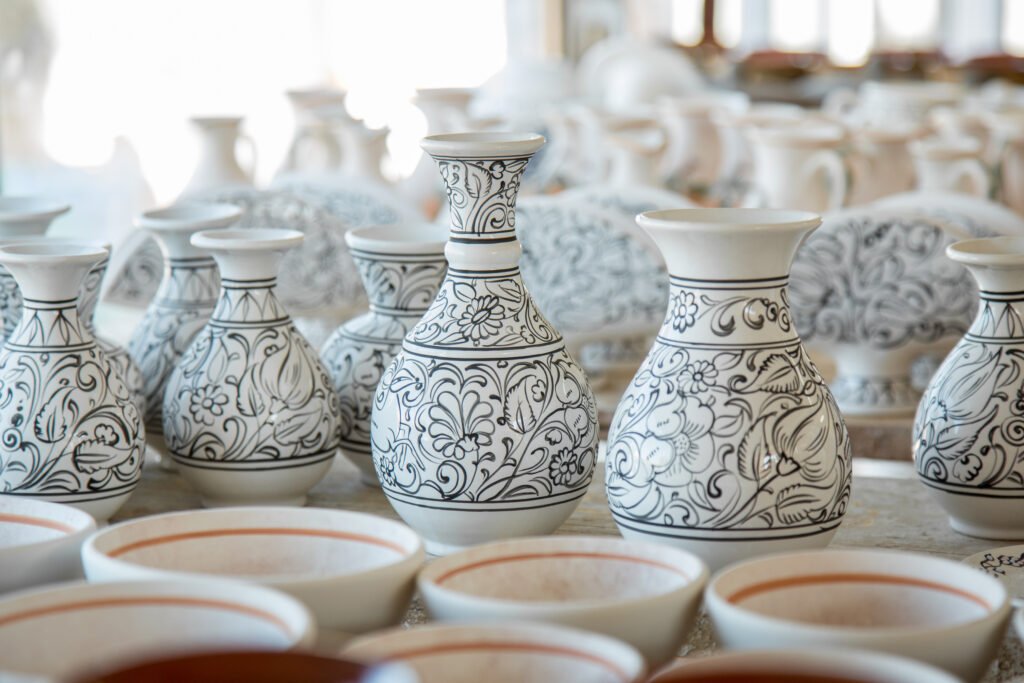
Elegant Handicrafts Co., Ltd. is a company specializing in home decoration. They wanted to purchase unique ceramic vases from China to complement their product line.
By attending the Shanghai International Handicrafts Expo, they met a supplier located in Jingdezhen, who was famous for its exquisite ceramic craftsmanship.
After carefully evaluating the cost-effectiveness, Elegant Handicrafts Co., Ltd.
found that although the supplier’s price was 10% higher than other suppliers, considering the quality, unique design, and the supplier’s reliable delivery record, the total ownership cost was more competitive.
In addition, by negotiating tiered pricing and long-term contracts, they successfully reduced the unit price by 15%.
After implementing a joint quality assurance program, they ensured the consistent high quality of the products, reducing returns and customer complaints.
Today, Elegant Handicrafts Co., Ltd. has not only expanded its customer base but also consolidated its leading position in the market, becoming a reliable supplier of high-quality and unique Chinese handicrafts.
7. Conclusion
Through the example of Elegant Handicrafts Co., Ltd., we can see that by understanding the market, carefully selecting suppliers, effectively negotiating, and ensuring quality, you can wholesale high-cost-effectiveness Chinese handicrafts.
I hope these insights can inspire you to embark on your own procurement journey and achieve the same success in your business.
I look forward to working with you and exploring more opportunities. If you have any questions or need further guidance, please feel free to contact me. I look forward to supporting your business growth and creating a prosperous future together.
