
When it comes to customizing garments, two of the most popular methods are screen printing and embroidery. Both offer distinct benefits, but determining which one is better depends on various factors, including the design, garment type, budget, and intended use.
Depending on your situation, you can choose an appropriate one to support your business.
- 1.What is DTG printing?
- 2. What is screen printing?
- 3.Goodcan's DTG and screen printing example
- 4.A few key differences between DTG and screen printing
1.What is DTG printing?
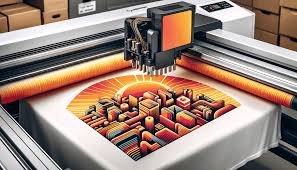
DTG printing, or Direct-to-Garment printing, is a modern printing technique that uses inkjet technology to apply designs directly onto fabric. Unlike traditional printing methods that require creating separate screens or stencils, DTG printing involves printing the image directly onto the garment, much like a regular inkjet printer prints on paper. This process allows for highly detailed, full-color images to be applied with precision and speed.
One of the biggest advantages of DTG printing is its ability to handle complex, multicolor designs with ease. Whether you’re printing a detailed logo, a photo, or intricate artwork, DTG can reproduce those designs accurately, capturing the finest details and subtle color gradients. Additionally, this method works best for small batches or one-off custom prints, making it ideal for short-run orders or personalized items like custom t-shirts, hoodies, or bags.
DTG printing offers flexibility, as it can print on various fabric types, including cotton, polyester, and blends. However, the quality of the print is often most vibrant on lighter-colored garments, as the ink is absorbed into the fabric. For darker garments, a special white underbase layer is usually applied first, which adds to the cost and complexity of the process.
For customers looking for vibrant, full-color designs with no minimum order quantity, DTG printing provides a reliable and efficient solution. However, for large orders or designs with fewer colors, other methods like screen printing might be more cost-effective.
2. What is screen printing?
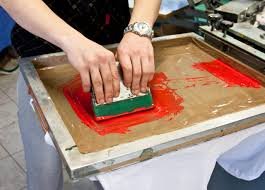
Screen printing, also known as silk screening, is a versatile and time-tested printing method used to transfer designs onto various materials, primarily fabric, but also wood, paper, and plastic. The process involves creating a stencil (or “screen”) of the design and then using it to apply layers of ink onto the printing surface.
The ink is forced through the screen mesh using a squeegee, transferring the design onto the material below. Each color in the design requires a separate screen, which makes screen printing especially effective for bold, single- or multi-color designs.
One of the key advantages of screen printing is its ability to produce vibrant, long-lasting prints that can withstand frequent washing without fading or cracking. This makes it a popular choice for items like t-shirts, hoodies, and promotional products. It is particularly cost-effective for larger print runs, as the setup cost is distributed across multiple items, lowering the cost per unit as the order quantity increases.
Screen printing is ideal for designs that are simple, bold, and involve fewer colors. Its precision and durability make it a top choice for mass production of branded merchandise or custom apparel.
However, for highly detailed or full-color designs, screen printing may require multiple screens and additional setup time, which can increase the cost for small orders. Despite this, its reliability and ability to produce high-quality, durable prints continue to make screen printing a popular choice across various industries.
3.Goodcan's DTG and screen printing example
At Goodcan, we offer two of the most popular garment printing methods: Direct-to-Garment (DTG) printing and screen printing. Each method has its unique advantages, and the choice between the two depends largely on the type of design, order size, and the desired finish. Let’s explore examples of how Goodcan utilizes both methods to achieve high-quality, customizable apparel.
DTG Printing Example: Custom Graphic T-Shirts
Imagine you’re looking to create a custom graphic t-shirt with a vibrant, full-color artwork featuring intricate details and gradient colors. With DTG printing, Goodcan can easily bring your design to life with high precision.
Whether it’s a detailed illustration, a photo, or a logo with multiple shades, DTG printing allows for crisp, full-color prints without the need for separate screens or color separations. For example, if you were designing a shirt for a band tour, featuring a multi-colored album cover, DTG would capture all the subtle gradients and fine details with ease.
This method is perfect for small orders or even one-off custom pieces, as there’s no minimum quantity required. You can personalize each item individually, making it ideal for custom t-shirts, hoodies, and more.
Screen Printing Example: Bold Brand Logos on Corporate Merchandise
On the other hand, screen printing excels at producing durable and vivid prints for larger orders with simple, bold designs. For instance, let’s say you need 1000 custom t-shirts for a corporate event featuring your company’s logo in just two colors.
Goodcan would use screen printing to efficiently apply the design to each shirt. The screen printing process would ensure that the logo is consistent across all items, with bright, eye-catching colors that stand the test of time.
This method is both cost-effective and scalable, making it ideal for larger quantities where the design doesn’t require intricate details or many colors. For brands looking for high-volume production of uniform items, promotional shirts, or team apparel, screen printing delivers excellent results at a lower cost per unit.
4.A few key differences between DTG and screen printing
When deciding between DTG (Direct-to-Garment) and screen printing for your garment customization, there are several factors to consider. Each method has its strengths and limitations, making it essential to choose the one that best suits your project’s needs. Below, we explore the key differences between these two popular printing techniques from various angles:
Cost and Minimum Order Quantity
- DTG Printing: One of the main advantages of DTG printing is its low setup cost and no minimum order quantity. Since the design is applied directly to the fabric using inkjet technology, you can easily print one-off designs or small batches without additional fees for screen creation.This makes DTG ideal for custom, small orders or personalized items where cost-effectiveness is essential.
- Screen Printing: While screen printing has a higher initial setup cost (due to the creation of individual screens for each color), it becomes more cost-effective as the order size increases. The per-unit cost decreases with large quantities, making screen printing more affordable for bulk orders. However, there is typically a minimum order requirement to cover the setup costs.
Production Time
- DTG Printing: DTG is faster when it comes to short-run orders and single-item prints, as there’s no need to create screens or prepare multiple layers of ink. Once the design is loaded into the printer, the process is relatively quick. For custom prints, like a unique t-shirt or hoodie, DTG can often be completed within a day or two.
- Screen Printing: Screen printing generally requires longer production time, especially for multi-color designs. Each color needs to be applied separately, and each screen must be created, which can add up to several days of preparation. However, for large quantities, screen printing can still be faster than DTG, once the setup is done.
Color and Printing Effects
- DTG Printing: DTG excels at printing full-color, high-resolution images. It’s perfect for detailed designs that require a wide range of colors, gradients, or even photographs. The ability to print multiple colors without the need for separate screens allows for a more complex, photorealistic finish. However, the color vibrancy on darker fabrics may require a white ink base to ensure the colors pop.
- Screen Printing: Screen printing is ideal for bold, solid colors. It excels at printing simple, graphic designs with fewer colors, especially for logos and text. However, the process of creating individual screens for each color can limit the flexibility of color options in complex designs. That said, screen printing provides a vibrant and opaque finish, particularly on light-colored fabrics.
Comfort and Feel
- DTG Printing: Since DTG ink is absorbed into the fabric, it maintains a soft, breathable finish. The print feels part of the fabric and doesn’t add a noticeable layer of ink on top. This makes DTG a great option for designs that are meant to feel comfortable and lightweight.
- Screen Printing: Screen printing typically creates a thicker, more noticeable layer of ink on the fabric’s surface, especially with heavier prints. While this provides durability, it can sometimes feel less soft compared to DTG, particularly with large or multi-color designs. However, some prefer the textured finish that screen printing provides, particularly with certain fabric types.
Fabric and Placement Limitations
- DTG Printing: DTG is highly versatile and can print on a wide range of fabric types, including cotton, polyester, and blends. However, the print area is generally limited to the flat portion of the garment, such as the front or back of a t-shirt. Printing on sleeves or seams is not always feasible with DTG unless special equipment is used.
- Screen Printing: Screen printing also works well on various fabrics, including cotton, polyester, and blends, but it is especially suited for light to medium-weight fabrics. Additionally, screen printing offers greater flexibility in placement, as it can handle designs that cover larger areas, such as the entire front or back of a shirt, or even designs on sleeves and seams.
Durability
- DTG Printing: While DTG prints offer excellent color detail, they may not be as durable as screen prints, especially when washed frequently. The ink is absorbed into the fabric but can fade over time, especially on garments made from darker fabrics. Using higher-quality inks and proper care (like washing inside out) can help prolong the lifespan of a DTG print.
- Screen Printing: Screen printing is known for its exceptional durability. The ink sits on top of the fabric, creating a thicker layer that resists fading and cracking over time. This makes screen printing an excellent choice for garments that will undergo frequent washing, like workwear, uniforms, or promotional items.
Environmental Impact
- DTG Printing: DTG printing is considered to have a lower environmental impact compared to screen printing, as it uses water-based inks and produces less waste. Since the process doesn’t require screens or multiple layers of ink, it generates fewer byproducts. Additionally, DTG printers typically use eco-friendly water-based inks that are less harmful to the environment.
- Screen Printing: While screen printing is durable and cost-effective, it often involves the use of plastisol inks, which can contain harmful chemicals and contribute to environmental pollution if not disposed of properly. However, there are eco-friendly alternatives, like water-based inks, that some screen printing companies use to reduce the ecological footprint. The process also generates more waste materials, such as screens and ink solvents.
Conclusion
Both DTG and screen printing offer distinct advantages, depending on the needs of your project. DTG is best for small runs, detailed designs, and quick turnaround times, while screen printing shines in large orders, simple designs, and long-term durability.
By considering factors like cost, production time, color complexity, and environmental impact, you can make an informed decision on which method will best suit your garment printing needs.
Goodcan is a professional agent purchasing company in Yiwu, if you need the best service and offer the most competitive price, please contact us!
