
After you have selected a few suppliers with good information through supplier background checks, do you know how to make a good supplier selection? This article will have what you want to know, you can use several aspects of the article to compare suppliers, so as to confirm the final partner!
Reasons for low prices or costs
When sourcing products, low prices may seem attractive, but they may also raise questions about quality or potential hidden costs.
Large manufacturers typically produce products in large quantities, reducing unit costs through economies of scale. When suppliers can produce products in bulk, they can pass these cost savings on to buyers. For example: A buyer orders 10,000 stainless steel water bottles from a large supplier in China. Because the factory already produces this model in large quantities, they can offer a lower unit price due to their efficient production line and bulk purchasing of raw materials. However, if the buyer only wants 500, the unit price could be much higher due to the smaller production volume.
Some suppliers are able to offer low-priced products because they use cheaper materials, which does not necessarily mean that the quality of the product is bad, but it may affect the durability or appearance of the product. If you need a basic or single-use product, such a choice may be appropriate, but if you require a high level of quality, careful consideration is recommended.
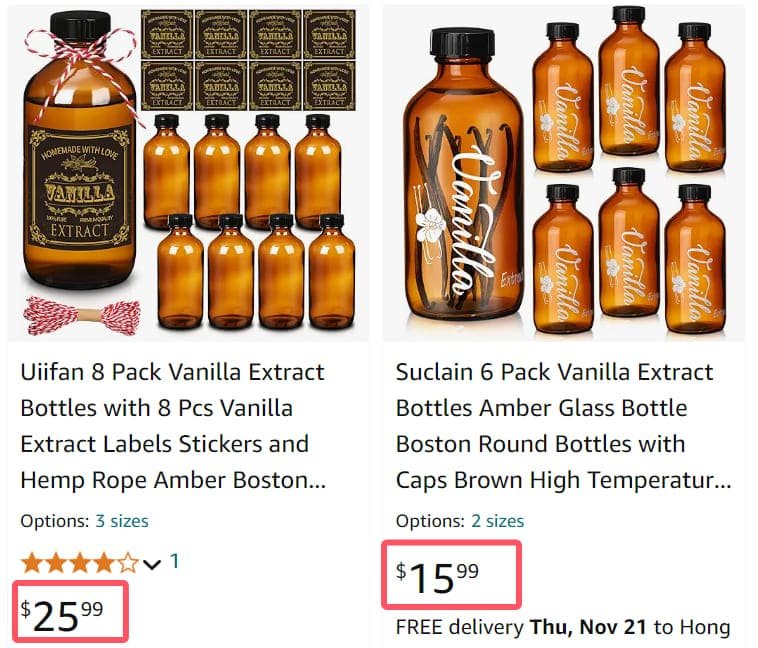
Simplifying production processes is also a reason for low prices. By reducing the number of processes or using more efficient production methods, suppliers can save time and costs, but doing so may also sacrifice product detail or design complexity. If the product doesn’t require much complexity, this may be a good way to save money.
So by understanding the reasons for the low price, you can make a judgment call and assess whether the low price meets your quality and quantity needs.
Quality Consistency
When we talk about “consistency of quality”, we mean that the same level of quality is consistently maintained from batch to batch and time to time for a product or service. No matter when a customer buys the same brand or product, it should be of the same high standard.
For example, if you regularly go to buy a certain brand of chocolate, its flavor and texture should always be consistent. If the chocolate tastes good today, but the next time you buy it is not quite the same, or even sometimes not fresh, this is not consistent with the principle of consistency in quality. Consumers will become dissatisfied with this inconsistency and may even abandon the brand and move on to other products.
Ensure that manufacturers provide products of the same quality for the same list of products
If you are customizing a special watch and want to confirm the quality of the samples. You received the first batch of samples and felt very satisfied with the look, functionality, and materials of the watch. Then, in order to make sure that each time you produce a watch that is consistent with the samples, you need to take a few steps:
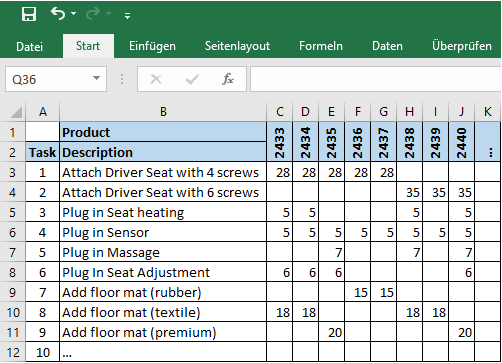
- Clarify the standards: First, clearly communicate the quality standards with the manufacturer and tell them your specific requirements for the watch, such as material, size, color, functionality, and so on. Make sure these requirements can be strictly followed during the production process.
Ask for proof of quality: You can ask the manufacturer to provide quality test reports or certificates of conformity to prove that the products they produce meet the quality standards.
Sign an agreement: Include quality consistency clauses in the contract to clarify how to handle the situation if the product quality does not meet expectations, including return, compensation, etc.
Ensure that the manufacturer provides the same quality of product when creating mold orders
If you want to customize a uniquely designed phone case, the manufacturer needs to create a mold first. If the mold design is inaccurate or of inconsistent quality, the subsequent production of the phone case may have deviations in size or inconsistent materials. So how do you ensure that the manufacturer delivers the same quality product?
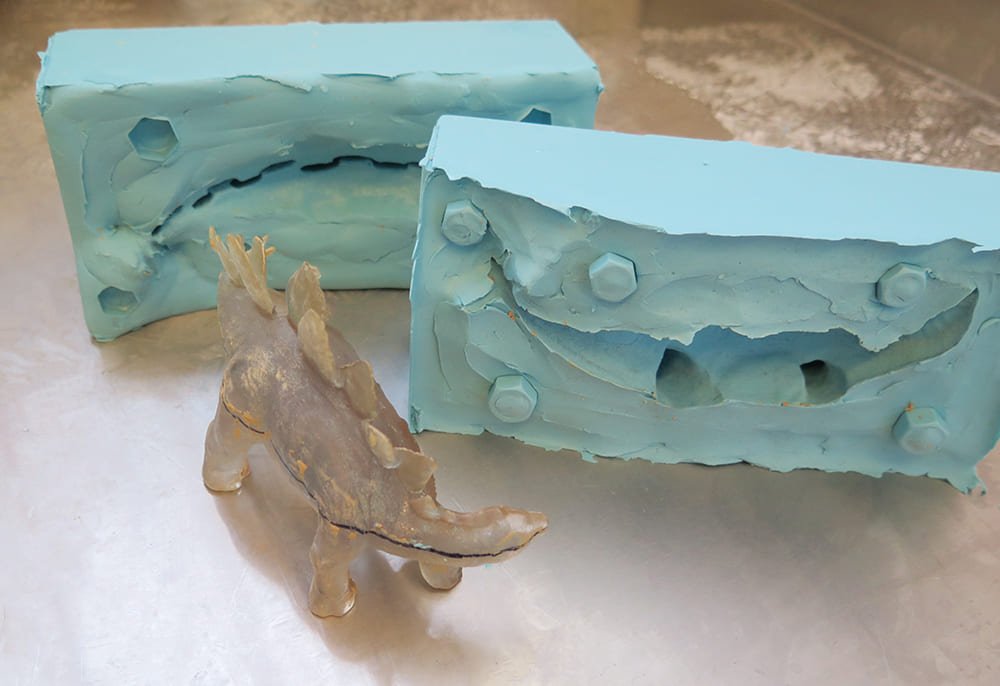
- Detailed confirmation of the mold design: Before making the mold, make sure you confirm every detail of the mold design with the manufacturer, especially the size, shape, structure, etc.. It is better to ask the manufacturer to provide the mold design drawings and detailed instructions.
Request for sample verification: After the mold is completed, you can ask the manufacturer to produce a batch of samples to check whether the mold fully meets the design requirements. After the sample passes, then officially start mass production.
Regular Mold Inspection and Maintenance: During the production process, the manufacturer is required to check the condition of the molds regularly to ensure that the accuracy of the molds will not be deviated due to overuse. Mold wear and tear can lead to inconsistent product quality, so it is important to keep the mold in good condition.
From a businessman’s point of view, quality consistency is not only responsible for customers, but also the key to business development. If product quality is inconsistent, customer loyalty and word-of-mouth will suffer, and may even cause the brand’s credit to suffer. Therefore, ensuring that every batch of products has the same quality standards can build brand trust, gain more repeat customers, and ultimately lead to more sales.
Flexibility in delivery times
When sourcing products from Chinese suppliers, there are often challenges associated with supply chain disruptions, seasonal demand fluctuations or last-minute changes. In such cases, the ability to negotiate or adjust delivery schedules with suppliers can prevent delays, minimize risk and ensure smooth operations.

If you are a retailer who is preparing to sell a certain brand of cell phone accessories. You plan to launch these products during a specific promotional season, such as Double 11 or Christmas. To ensure that they hit the shelves in time for sale, you need to agree on a delivery schedule with your supplier. If the supplier offers flexible delivery arrangements, such as the ability to ship earlier or later depending on your needs, then you’ll be able to better deploy your inventory and ensure that you don’t run out of stock.
- Inventory pressure: If the delivery time is fixed and non-variable, it may lead to too much or too little inventory, affecting the sales plan.
Missed sales opportunities: If delivery times are too late, you may miss a peak sales period or an important marketing opportunity.
Excessive manufacturing time and purchasers not being able to receive goods before a specific promotional season can affect the customer shopping experience leading to customer churn.
When signing a contract, it is necessary to communicate with the supplier about the possibility of adjusting the delivery time and to make sure that both parties are satisfied with the delivery time. Make sure that both parties are satisfied with the delivery time. Suppliers who want to work with you on a long-term basis may be able to offer flexibility in delivery times.
Perfect customer service and communication
When communicating with suppliers, it is important to make sure that every detail is clear and unambiguous. By communicating effectively, many potential misunderstandings and problems can be avoided!
Product specifications and requirements
- Content: Confirm the exact specifications of the product, including size, material, color, function, packaging and so on. Ensure that these details are consistent with your needs to avoid deviations due to details.
- Clarify details: Try to list all requirements in writing or through drawings to avoid ambiguities brought by verbal communication.
- Get samples: Before purchasing in large quantities, ask the supplier to provide samples and confirm that the samples meet the standards before proceeding to mass production.
Price and payment terms
- What: Ensure that information such as the price of the product, method of payment, type of currency, and time of payment are clearly defined. Whether or not the price includes additional costs such as shipping, taxes, and insurance should also be determined in advance.
- Payment method: Confirm what payment method is to be used (e.g., letter of credit, T/T wire transfer, etc.) and when payment is to be made (e.g., deposit, final payment, etc.).
- Price Confirmation: Confirm whether the price is the final price, and whether it includes other costs such as transportation fee, insurance fee, etc. to avoid hidden costs.

Production schedules and delivery dates
- What: Ensure that production schedules and delivery dates are confirmed with suppliers. Plan production and shipping times in advance so that products can be received in a timely manner and delays can be avoided to affect sales or marketing plans.
- Confirm production lead time: Ask your supplier how long it will take from the time you take an order to the time production is complete, and arrange transportation based on that time.
- Ensure on-time delivery: Flexibility on delivery times and delay penalty clauses can be negotiated to ensure suppliers deliver on time.
Transportation and Logistics Arrangement
- Content: Confirmation of the mode of transportation (sea, air, etc.), transportation company, destination port, transportation time, etc., and understanding of the responsibility for payment of logistics costs.
- Clarify the terms of delivery (Incoterms): e.g. FOB, CIF, EXW, etc., to ensure that you and the supplier have a clear understanding of the transportation responsibility and the way to bear the costs.
- Track the goods: Ask the supplier to provide transportation tracking information in order to track the status of the order in time.
Quality Control and Inspection
- What: Ensure that the supplier complies with the agreed quality standards and performs quality control during the production process. You can ask for test reports or third-party inspection certificates.
- Clarify quality requirements: Confirm with the supplier that the quality standards of the product, including material, process, function, etc., meet your market requirements.
- Inspection samples: Before mass production, ask the supplier to provide samples for quality acceptance.
Transportation solutions
“Transportation solutions” simply means helping businesses or individuals choose the right mode of transportation to move goods from the point of production to the destination. It’s not just about choosing a mode of transportation, it’s also about making sure that the cost, time, and security of the goods are all managed effectively during the transportation process.
Reduce transportation costs:
Let’s say you are a small business owner importing some goods to sell. If you don’t consider choosing the right mode of transportation, you may choose the fastest way of air freight, but this may be very costly. By analyzing the advantages and disadvantages of different modes of transportation (e.g., sea, air, land, etc.) and choosing the most appropriate mode based on your actual needs, you can greatly reduce your transportation costs. For example, sea freight, although longer, is usually much cheaper than air freight for large shipments.
Ensure on-time delivery:
If you carry seasonal merchandise, like holiday gifts or seasonal apparel, on-time delivery is critical. If the shipping solution doesn’t make sense, such as choosing a shipping method that isn’t fast enough, it could result in the merchandise not reaching your customers in time and missing out on peak sales periods. For example, during Double 11, if you choose the wrong shipping method and the merchandise arrives late, customers may miss the best time to shop, which may even cause them to cancel their order.
Improve customer satisfaction:
Let’s say that after you purchase an item, you want it delivered to you as soon as possible. If the merchant can provide a variety of shipping options (e.g., express, standard, expedited delivery, etc.), the customer will be able to choose the appropriate method based on his or her needs. If the merchant offers flexible transportation solutions, the customer not only receives the goods on time, but may also feel more satisfied with the merchant’s service, thus increasing customer loyalty.
Safeguarding of goods:
During transportation, goods may suffer damage, loss or be subject to other risks. If a merchant does not plan ahead on how to secure the goods during transportation, problems such as damage and loss may occur, causing inconvenience to the customer and adding additional costs to the merchant. By choosing the proper packaging methods, insurance, and a reliable transportation company, you can ensure the safety of your goods during transportation and avoid potential losses.
Transportation solutions are an important aspect that every business must focus on. A good transportation solution can help businesses reduce costs and increase efficiency while ensuring that goods are safe and delivered on time. Whether it’s domestic or international transportation, choosing the right mode of transportation can increase customer satisfaction and enhance the competitiveness of your business.
Ultimate
I hope this tips on finding the best suppliers will help you generate good products.If you still have questions or a better way to approach this topic, please let me know by leaving a comment below.
Goodcan is a professional agent purchasing company in Yiwu, if you need the best service and offer the most competitive price, please contact us!
