
When you are considering importing products from China, in-depth product research is important to ensure that you select products that are sufficient to meet the market demand and have a significant report. As an aspiring importer, effective product research can have a huge impact on your success.
In this article, we will guide you through the process with 5 tips to help you narrow down profitable products and reliable suppliers to minimize trade risks.
1.Understanding Market Needs
If you are planning to import products from China, it is very helpful to start understanding the market demand and choosing the right products to grow your business. Whether you have a brick-and-mortar store or an online e-commerce business, having access to some data analytics tools and online platforms for popular products is crucial to your plans for importing goods.
Here are four strategies to help you choose the right items to import based on market analysis, e-commerce trends.
Principle 1:Choose Low-Competition, High-Profit Products
Niche products or looking for immediate products that serve a specific target audience, often overlooked marketplace products usually have less competition and are easier for new sellers to operate by choosing these types of products when they’re just starting out. For example, unique home décor items or specialized kitchen appliances typically appeal to a target audience but are less saturated on platforms like Amazon and Shopify. This strategy reduces the chances of competing with larger brands and gives you a unique advantage in a more focused niche.
Principle 2:Unique Products Not Found in Major Retailers
When customers can’t find novel products at retail giants, they often turn to niche or specialty outlets to meet their needs. Unique everyday products can fulfill an under-explored market need. Online malls and specialty outlets have the advantage of catering to the specific tastes and needs of their target customers, such as customized gifts, niche electronics or eco-friendly alternatives. These products appeal to a loyal customer base that looks for products that resonate with their value offerings. This approach allows new sellers to position themselves as exclusive suppliers of products that cater to specific preferences, thus creating more demand for their products.
These are analyzed in detail in this article:Which products are most profitable to import from China?
Principle 3:Emphasize Product Differentiation
Differentiating your product helps to differentiate your rivals to stand out in a competitive market. Whether it’s through packaging, add-ons or exclusive features, unique product attributes can attract buyers looking for something special. Research existing products and find ways to improve or add value. This approach works especially well in categories such as personal care, small appliances or pet products, where customization options are popular among consumers. Research online reviews and social media trends to understand what customers want, and then select vendors that allow customization options or minor product modifications.
Principle 4:Target High-Demand, Low-Risk Items with Lower Margins
Selling necessities or products that have a steady demand may generate a smaller profit, but it is usually less risky because their demand is more stable. Products such as basic kitchenware, household tools or simple electronics will continue to be purchased even at lower prices. This category is perfect for beginners because these items are less susceptible to seasonal fluctuations and steady demand ensures regular sales.
Based on the 4 tips above, doing in-depth product research is important to the success of importing from China. There are a number of tools you can leverage, and tools like Pinterest and Amazon reviews can help you gather insights about what your customers want from your current products, allowing you to better customize your imported products. Tracking the performance of your target products on platforms like Alibaba can give you insights into price points and demand trends, while Keepa or Camel Camel Camel can help you track their market history on Amazon.
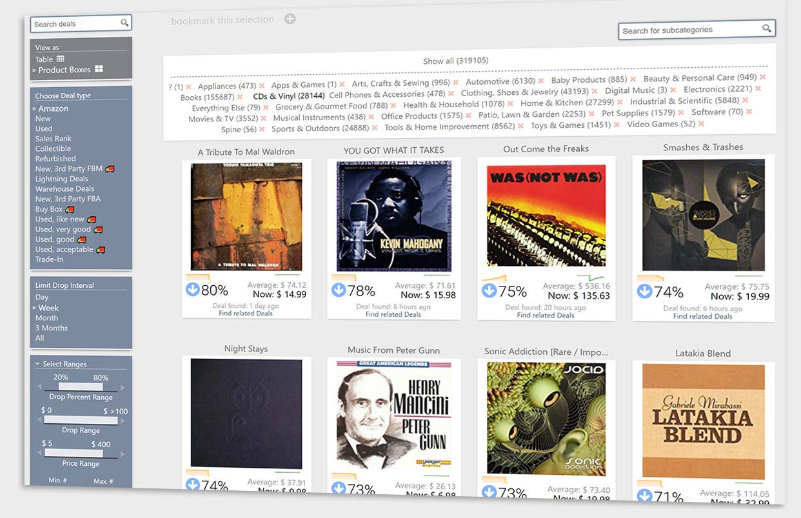
Both tools offer basic functionality for free, Keepa offers a paid subscription with additional in-depth analysis, while CamelCamelCamel offers basic tracking functionality for free. Combining the tools according to your situation can help you track prices accurately, giving you the help you need to make the best decisions.
2.Researching competitors
When preparing to import products from China, analyze competitors to better understand market opportunities and pricing strategies. Referring to transaction data on various platforms can help you gain insight into customer expectations, analyze product pricing, and lay the foundation for profitability.
Researching products similar to the one you plan to import on platforms such as Amazon eBay and Shopify allows you to make comparisons in terms of selling prices on the online platforms. For example, Bluetooth headphones in electronics are in high demand. By browsing Amazon, you’ll notice that prices vary greatly depending on brand reputation, features and reviews. A no-name Bluetooth headset may retail for around $20 to $30, while a similar product from a well-known brand sells for $80 to $150. These price comparisons can give you an idea of how the product you’re importing is positioned in the marketplace, as well as finding unique selling points.
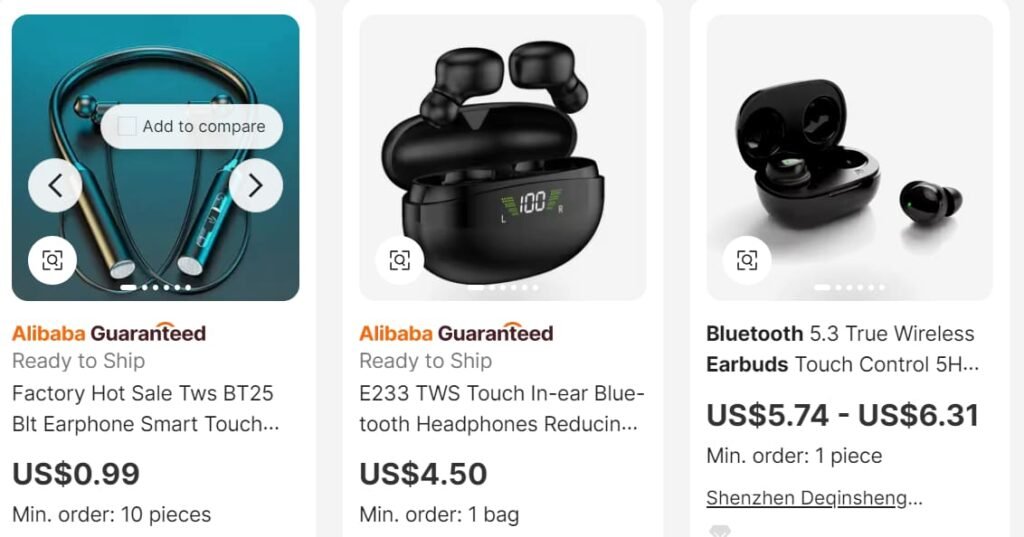
Compare wholesale prices from Chinese suppliers with online retail prices. Sites such as Alibaba and Global Sources offer wholesale prices, often with volume discounts. Trying to buy the same Bluetooth headset in bulk from a Chinese supplier might cost you $5 to $10. This significant price difference between wholesale and retail can give you an idea of potential profit margins. If you import headphones for $10 each and sell them for $30, your gross margin can cover shipping, platform fees, and marketing expenses while leaving room for a competitive price point.
3.Choosing suppliers and how to evaluate them
Selecting quality suppliers is a very critical step in importing from China. Here are a few strategies to help you confidently evaluate and select suppliers that meet your business needs and quality standards.
Online Wholesalers
Online wholesale platforms like Alibaba and Made in China ensure that you work with reputable and reliable suppliers in the following ways:
Check supplier ratings and reviews: look for suppliers with high ratings and positive reviews from previous buyers. Pay attention to the number of reviews, as a lot of consistent feedback is more reliable than a few enthusiastic reviews. Sites such as Alibaba often highlight supplier ratings, which can help you determine their reputation at a glance.
Evaluate communication: Measure the responsiveness and clarity of your potential supplier’s communication. Responding to your inquiries in a timely and professional manner can indicate a supplier’s reliability and customer service focus. Good communication is critical to resolving any issues that may arise during the ordering process.
Check business certifications and compliance: Check for relevant certifications to ensure compliance with international quality standards (e.g. ISO certification). Suppliers that can provide documentation of compliance are usually more trustworthy. This information can often be found in supplier profiles on these platforms.
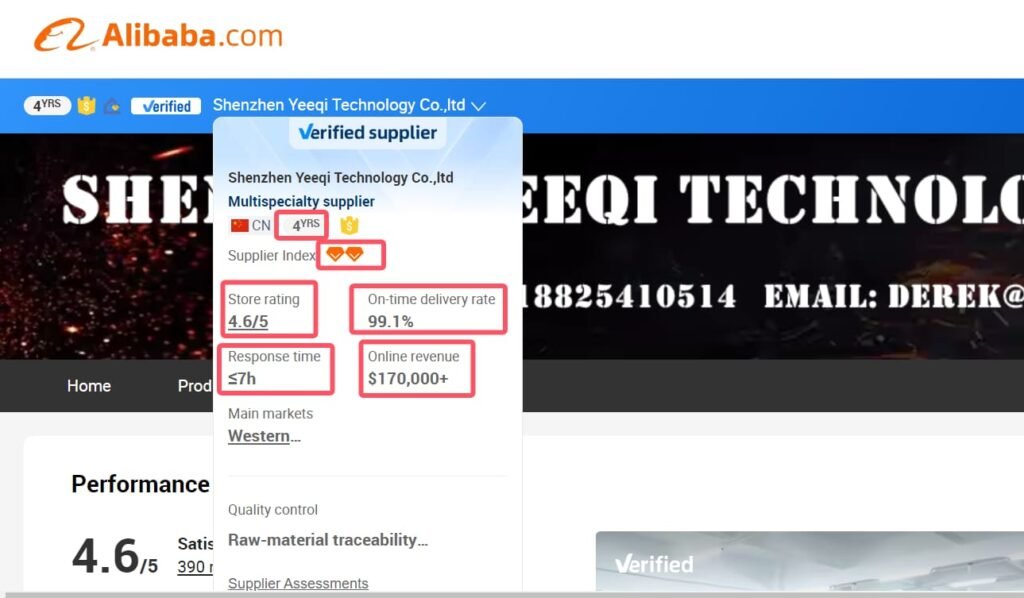
Assess production capacity: Review your suppliers’ production capacity and capabilities. Make sure they can meet your order volumes and schedules. This is especially important if you plan to scale up your purchases in the future. Some platforms provide detailed information about a supplier’s manufacturing capabilities in their profiles.
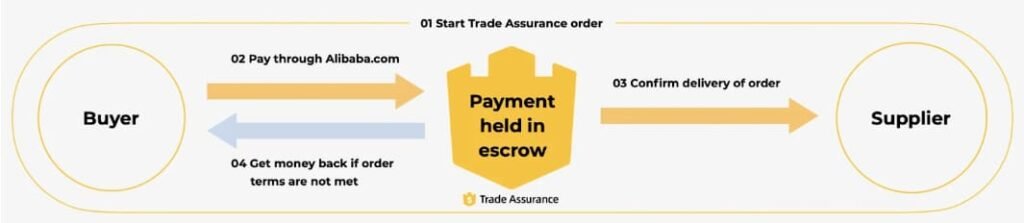
Look for trade assurance or buyer protection programs: Many platforms offer trade assurance programs to protect buyers. For example, Alibaba’s Trade Assurance program guarantees that you will receive your order on time and as agreed. Suppliers participating in such programs tend to be more trustworthy.
Offline Wholesalers and Trade Shows
If you are considering purchasing from a supplier you meet at a trade show or wholesale market, you will have the advantage of inspecting the product in person. At events such as Canton Fairs, you can get a better idea of quality and ask in-depth questions about production capacity, customization and volume pricing.Pay attention to materials, craftsmanship and overall finishes. Customers often emphasize the importance of the tactile experience in their comments, noting how seeing and touching the product affects their purchasing decisions.
Interact with suppliers: Interact directly with potential suppliers to assess their expertise and professionalism. Look for suppliers who have in-depth knowledge of their products and can answer your questions in a timely manner. Positive customer feedback often emphasizes that good communication is a key element of supplier relationships.

Check certifications and documentation: Reputable suppliers usually display their certifications and quality assurance documents at their booths. Verify these credentials as they provide insight into the supplier’s commitment to quality standards.
Evaluate their product range: suppliers that offer a diverse range of products may indicate better manufacturing capabilities and market understanding. Discuss payment terms, return policies and after-sales support. Suppliers that are transparent and willing to accept terms usually receive positive feedback from their customers.
For offline face-to-face purchases you can also check out this blog:Beginner’s Guide: How to Find a Buyer’s Agent in Yiwu
4.Considering logistics and price
When importing products from China, understanding logistics is important for cost-effective and timely delivery. The main modes of transportation currently available are: rail, air, sea and international express.
Rail Freight
Arrival Time: 10-15 days (depending on the route and customs clearance).
Pricing: Typically, prices range from $0.20 to $0.40 per kilogram. For example:
500 kg: $100 – $200
1,000 kg: $200 – $400
5,000 kg: $1,000 – $2,000
Air Freight
Arrival Time: 3-7 days (depending on the route and speed of service).
Pricing: Costs can vary widely, often ranging from $4 to $8 per kilogram. For example:
100 kg: $400 – $800
500 kg: $2,000 – $4,000
1,000 kg: $4,000 – $8,000
Sea Freight
Arrival Time: 20-40 days (depending on the port of origin and destination).
Pricing: Generally, sea freight is cheaper, with prices typically between $0.10 to $0.30 per kilogram. For example:
1,000 kg (full container load): $100 – $300
20 ft container (approx. 28,000 kg): $1,500 – $3,000
International Express (Courier Services like DHL, FedEx)
Arrival Time: 1-5 days (very fast and efficient for smaller packages).
Pricing: Costs range from $10 to $20 per kilogram. For example:
5 kg: $50 – $100
10 kg: $100 – $200
30 kg: $300 – $600
Choosing the optimal transportation method depends on your shipment’s weight, urgency, and overall budget. For instance, if you’re importing high-value electronics that require quick delivery, air freight may be your best bet. For larger, non-urgent shipments, sea freight often provides the best cost savings.
When choosing a transportation method, it’s essential to be aware of certain prohibited items and restrictions that can impact your shipping choices. Each shipping method has its own list of items that cannot be transported. Common prohibited items include:
Hazardous materials: Chemicals, explosives, and toxic substances often face strict regulations.
Counterfeit products: Importing counterfeit goods can lead to severe penalties and confiscation.
Certain electronics: Some electronic devices may require special documentation or certifications.
Before finalizing your shipping method, check the specific regulations related to your products. Shipping prohibited items can not only result in lost merchandise but can also damage your reputation and financial standing.
5.Test Products with Smaller Orders
When considering importing products from China, testing them through smaller orders can be a smart move. It allows you to assess product quality, understand shipping logistics, and gauge supplier reliability without committing to large quantities upfront. This approach can significantly reduce risks associated with new products and suppliers.
Key Considerations for Testing Orders
Product Quality: Before placing a test order, it’s essential to determine how to evaluate the quality of the product. Look for samples, ask for detailed product specifications, and verify any certifications that might apply to your product category. This will help ensure that you’re not just relying on the supplier’s word about quality.
Price Comparison: When selecting suppliers, consider getting quotes from at least three different factories. Compare not only prices but also the quality of their products, shipping weights, and the total cost of orders. This comparison can reveal discrepancies that may impact your profit margins.
Evaluating Suppliers' Credentials
In addition to comparing prices and quality, it’s crucial to assess suppliers based on their credentials and operational efficiencies. Look for:
Depending on the products being manufactured, other certifications may be necessary, such as:
CE Marking: For products sold in the European Economic Area, demonstrating compliance with safety and health requirements.
FCC Certification: For electronic products in the United States, indicating compliance with communication regulations.
RoHS Compliance: Ensuring products do not contain harmful substances.
Environmental Management Standards:
ISO 14001 certification indicates that a factory adheres to environmental management principles, aiming to reduce its ecological footprint.
Certification Costs
These can range from a few thousand dollars to over $20,000, depending on the complexity of the certification and the size of the factory.
In summary,importing from China is a complex situation where factors such as market demand, competition and supplier reliability play a key role in your decision-making process. Before delving into product selection, you must recognize that a great deal of research is required to determine the best product for your business.
If you have any questions or need further guidance on how to effectively conduct product research, please don’t hesitate to reach out.
